Tag: Impact Investing

First Affirmative Financial Network is Now an Employee-Owned Certified B Corp

As Values-Based Investing Skyrockets, Pioneer in SRI and ESG Investing Now Activated for Impact and Growth


First Affirmative Financial Network LLC, a pioneer in sustainable, responsible and impact (SRI) investing with approximately $1 billion under management and advisement, announced September 21, 2020 it will return to independence as an employee-owned Certified B Corp and capitalize on burgeoning interest in values-based investing.

First Affirmative and Goldman Sachs announced the spinoff as part of Goldman Sachs’s acquisition of Folio Financial, which acquired First Affirmative in 2016.

A Registered investment Advisor, First Affirmative has led the way in SRI and environmental, social and governance (ESG) investing for more than 30 years. First Affirmative founded the industry standard The SRI Conference in 1990 to bring together industry leaders and expand impact investing. First Affirmative’s re-launch as an independent, employee-owned entity comes at a time when social and cultural activism have raised values-based investing to higher prominence than ever.

The AffirmativESG advisor workstation sets the standard for financial and impact customization and efficiency, and continues First Affirmative’s legacy of innovation.

“We’re thrilled to reinforce more than three decades of values-based investment innovation with employee ownership that will help spread the First Affirmative approach, through unmatched enthusiasm and depth of experience and commitment,” said George Gay, CEO of First Affirmative. “We will grow our network of advisors and bring powerful, impactful financial management tools to more people through the leadership of our empowered teammates.”

First Affirmative creates SRI investment models, shapes portfolios for investment managers, builds analysis tools and partners with financial firms to meet competitive return benchmarks while supporting desired impact results for clients. Since 1988, First Affirmative has been driven by its belief in the power of capital to bring about lasting beneficial change, including stewardship of the environment and promoting social change.

“First Affirmative is one of the most pioneering and well-respected SRI investment managers in the country,” said Gary Mathews, PhD CPA/PFS AIF at SRI Investing LLC. “I am so happy to be able to say First Affirmative is preserving its independence. First Affirmative is a treasure to the SRI community.”

First Affirmative is a leader in shareholder advocacy and investor-driven social activism, and most recently helped lead the effort to influence the NFL’s Washington Football Team to change a name long considered a slur around the world.


About First Affirmative:
Since 1988, First Affirmative has been helping financial advisors and their clients create investment solutions designed to meet both financial and impact goals. First Affirmative’s unmatched institutional grounding in this ecosystem allows them to deploy the fundamental research, quantitative techniques, portfolio construction and management methodologies to deliver outcome-oriented SRI and ESG investment solutions. First Affirmative is proud to have adopted the highest standards as an investment fiduciary. First Affirmative is a Certified B Corp and was honored as a “Best for the World” Company in 2019 by B Lab, the parent organization for Certified B Corps.

SOURCE: First Affirmative Financial Network LLC

Additional Articles, Impact Investing, Sustainable Business

GreenMoney Journal Announces Strategic Partnership with Climate & Capital Media

GreenMoney Journal is pleased announce our Strategic Partnership with Climate & Capital Media, a global media company that connects investors and entrepreneurs working on climate change solutions. Its news service develops engaging, well-reported profiles that deliver practice and meaningful investment and leadership insights about the fast-growing community of businesses addressing global warming and building a more sustainable climate economy.

Beginning in September 2020 the strategic partnership will include joint efforts in editorial content, distribution, and marketing.

“As climate change continues to have an increasing impact on the bottom line of companies all over the world, we look forward to working with Peter and Climate and Capital Media to help keep our readers well informed on issues affecting communities and commerce as well as our SRI and ESG investments,” said Cliff Feigenbaum, founder and publisher of the GreenMoney Journal.

“At Climate & Capital Media, our goal is to make the business and finance of climate action accessible and inviting. We value the great story-telling and vivid images that inspire and motivate everyone working to build a global climate economy. We are excited to partner with Cliff and GreenMoney Journal, ‘the voice of the community,’ as we jointly work to influence capital that supports solutions to climate change,” said Peter McKillop, founder of Climate & Capital Media.

GreenMoney Journal is a leading global sustainable business and impact investing media brand, with a biweekly eJournal that reaches an audience of 27,000 investors and a website focused on innovative solutions and responsible leadership. Now in its 28th year of publication, GreenMoney is an award-winning, trusted and independent journalism brand with a dedicated readership of financial and sustainability professionals.


CONTACTS:

Cliff Feigenbaum

Peter McKillop

Additional Articles, Energy & Climate, Impact Investing, Sustainable Business

US SIF Foundation Releases Report on Investing to Advance the UN Sustainable Development Goals

The report examines why sustainable investors in the United States are interested in the Sustainable Development Goals (SDGs) and the challenges in furthering the SDGs. The report also assesses whether the SDGs have led to a change in investment strategies, new investment products or new investment flows.

The US SIF Foundation recently released “Investing to Achieve the UN Sustainable Development Goals: A Report for the US Investor Community.” The report examines why sustainable investors in the United States are interested in the Sustainable Development Goals (SDGs) and the challenges in furthering the SDGs. The report also assesses whether the SDGs have led to a change in investment strategies, new investment products or new investment flows.

The 2030 Agenda for Sustainable Development, adopted by all United Nations Member States in 2015, calls on governments, civil society, business leaders and investors to take action to help realize 17 sustainability and social justice goals. The economic arguments for implementing the SDGs are compelling. Ending poverty, reducing income inequality and advancing the socioeconomic status of women — as the Goals emphasize — would spur economic growth and also provide opportunities for many business enterprises to expand their customer base.

To prepare the paper, the US SIF Foundation drew on information from UN public reports and data surrounding the issuance of and investment in SDG bonds, climate bonds and SDG-themed equity funds. Staff also interviewed representatives of a select group of investment management firms and institutional asset owners with a long-standing commitment to sustainable investment.

The report is divided into the following sections:

  • The history of the Sustainable Development Goals
  • The case for investing in the SDGs
  • Encouraging private sector investment
  • The rise of green, SDG, and sustainable bonds
  • The SDGs in the equity markets
  • The response of US sustainable investors

“Although no official database tracks private sector investments in the SDGs or the collective impact of these investments, numerous investment products have been launched or issued in recent years with sustainable development themes,” said Meg Voorhes, Director of Research at the US SIF Foundation and editor of the report. “We encourage managers or issuers of investment products that purport to support one or more of the SDGs to measure and report the impact of their products and strategies.”

Download the report here.


About US SIF and the US SIF Foundation

US SIF: The Forum for Sustainable and Responsible Investment is the leading voice advancing sustainable and impact investing across all asset classes. Its mission is to rapidly shift investment practices toward sustainability, focusing on long-term investment and the generation of positive social and environmental impacts. US SIF members include investment management and advisory firms, mutual fund companies, asset owners, research firms, financial planners and advisors, broker-dealers, community investing organizations and nonprofit associations.

US SIF is supported in its work by the US SIF Foundation, a 501(C)(3) organization that undertakes educational and research activities to advance the mission of US SIF. The US SIF Foundation will publish its biennial Report on US Sustainable and Impact Investing Trends in November. The Foundation also offers training on the Fundamentals of Sustainable and Impact Investment and in partnership with the College for Financial Planning, offers the only sustainable investment designation in the United States, the Chartered SRI Counselor™ (CSRIC™). This graduate-level program provides financial advisors and investment professionals with the history, definitions, trends, portfolio construction principles, fiduciary responsibilities and best practices of sustainable investment.

Additional Articles, Energy & Climate, Food & Farming, Impact Investing, Sustainable Business

Trillium Global Equity: Trailblazing ESG Fund Continues to Perform

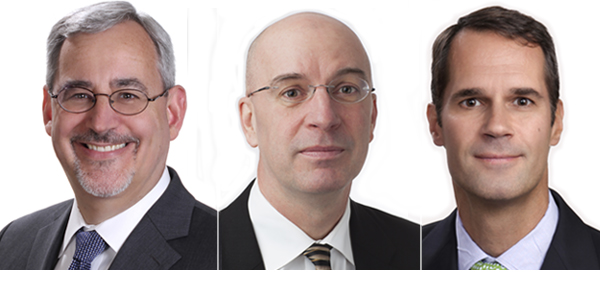
By Matt Patsky, Jim Madden and Patrick Wollenberg, Trillium Asset Management

Matt Patsky-Jim Madden-Patrick Wollenberg authors-Trillium Asset Mgmt-Trailblazing ESG Fund continues to performIn the ever-evolving landscape of Environmental, Social, and Governance (ESG) investing, the core philosophy of Trillium has remained the same since it was founded in 1982: provide for the financial needs of our clients while leveraging their capital for positive social and environmental impact in alignment with their values.

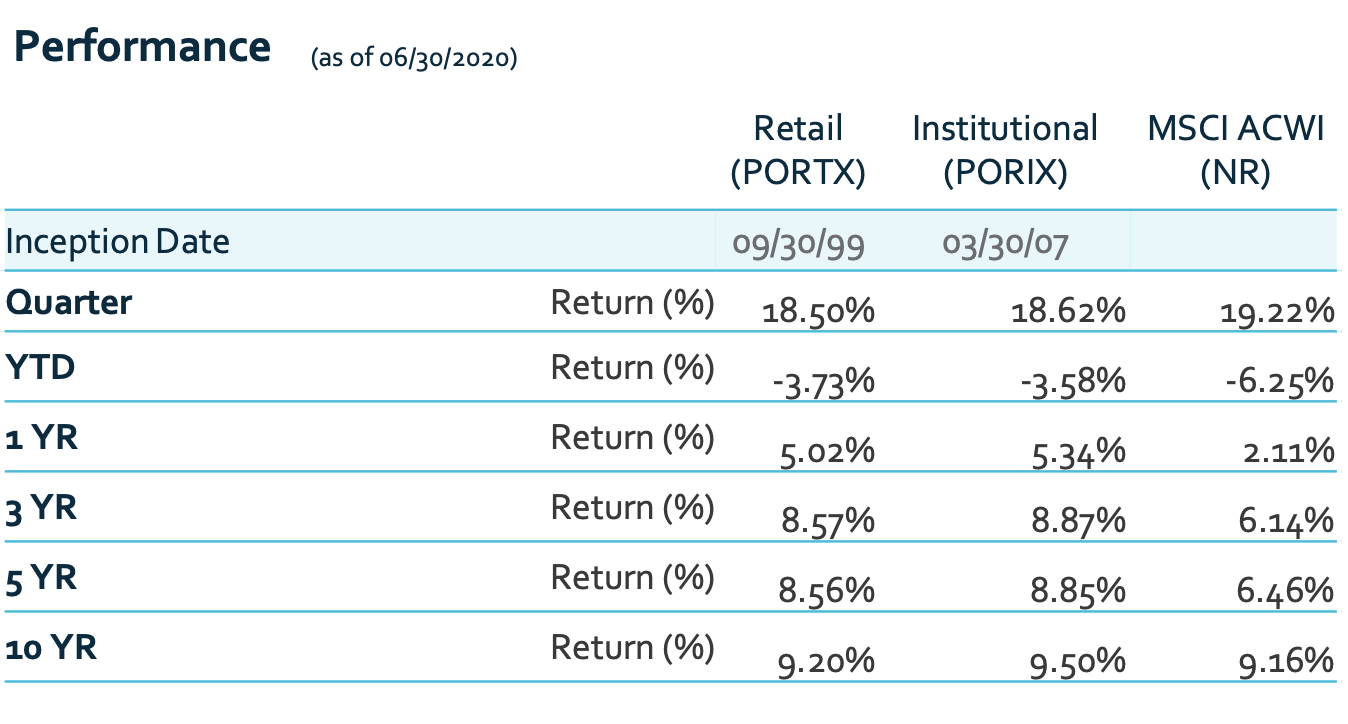
Over the last 21 years, this approach of the $579 million Trillium ESG Global Equity fund has proven itself, time and again through a long track record of positive results, generating returns responsibly. The Fund has an 8.56% average annual return for the past five years, outperforming 75% of 895 peer Morningstar funds in the World Large Stock category as of August 31, 2020, based on total returns*, with a gross expense ratio of 1.33%.

The differentiation of the Trillium ESG Global Equity fund is in the details. Two decades ago, at the Fund’s inception, there was little in the way of ESG data, so Jim Madden, Co-Portfolio Manager, was part of the team that created the criteria from the ground up. Trillium has been evolving and refining those core metrics ever since.

“Discerning what is important in vetting these companies requires even greater discipline now that ESG and traditional data has grown, and continues to grow,” said Madden.

Why Global?

For over 20 years, the Fund has offered clients a core global equity exposure with what Trillium believes are quality growth companies and diversified assets across countries, sectors, and market caps. Led by a senior Portfolio Managers team, the Fund’s construction has historically delivered higher returns versus its benchmark, the MSCI ACWI over 1, 3, and 5-year periods.

Why Fossil Fuel Free?

The Fund’s mission has always considered Climate Change as a driver that makes fossil fuel exposure inherently risky and so, avoids exposure to the energy sector. By instead investing in companies that Trillium believes understand ESG principles, they conclude that this acknowledgement demonstrates the qualities of innovation and leadership that create a distinct competitive advantage and build long-term value.

Trillium’s commitment to the quality of the Fund speaks to their overall commitment to ESG and many of the principles that inform the firm’s investment strategy are on full display in some of today’s most profound issues, where Trillium’s Shareholder Advocacy continues to be an influential force for change. In addition to investing for positive environmental and social impact, Trillium has a long and proud history of active ownership. The firm leverages the capital of its clients by engaging in dialogue with companies it invests in to work toward improving their environmental, social and governance profiles.

ESG Analysis

In addition to the primary ESG analysis process conducted by Trillium’s equity research analysts, the strategy maintains a proprietary framework to assess each considered company on environmental merits. A comprehensive review of the ecological risk and opportunities analyze seven categories implemented across all sectors. Data is gathered and analyzed by the portfolio managers, equity research analysts and ESG specialists, utilizing a range of resources, including their 20+ years of proprietary ESG company datasets, governmental websites, and non-governmental organizations. Each company is scored accordingly and monitored to assess any material changes to this initial assessment.

Fundamental Research

Trillium’s ESG-integrated fundamental research process efforts include both industry and in-depth company analyses, which cover both quantitative and qualitative considerations. In terms of industry reviews, the team evaluates the respective secular & cyclical dynamics, along with relevant national & regional aspects of a company’s operating environment. In terms of company-specific analysis, the team considers strategic leadership (business model, competitive advantage, strategy, management quality, etc.) and financial fundamentals (economic translation of that leadership, along with analysis of key quality characteristics including margin profile, cash flow, ROIC, net leverage, etc.). Valuation is derived through a combination of a traditional P/E multiple approach and a discounted cash flow analysis (with a 3-stage model), depending on sector & industry and other considerations.

Glossary of Terms:

P/E, or price-earnings ratio, also known as P/E ratio, is the ratio of a company’s share (stock) price to the company’s earnings per share. The ratio is used for valuing companies and to find out whether they are overvalued or undervalued.

Cash flow is the net amount of cash and cash-equivalents being transferred into and out of a business. At the most fundamental level, a company’s ability to create value for shareholders is determined by its ability to generate positive cash flows, or more specifically, maximize long-term free cash flow.

ROIC stands for Return on Invested Capital and is a profitability or performance ratio that aims to measure the percentage return that a company earns on invested capital. It also represents the residual value of assets minus liabilities.

Trillium Global Equity ESG Fund Performance Chart-6.30.20

Performance data quoted represents past performance; past performance does not guarantee future results. The investment return and principal value of an investment will fluctuate so that an investor’s shares, when redeemed, may be worth more or less than their original cost. Current performance of the fund may be lower or higher than the performance quoted. Performance data current to the most recent month end may be obtained by calling 800-853-1311.

The MSCI ACWI Index, MSCI’s flagship global equity index, is designed to represent performance of the full opportunity set of large- and mid-cap stocks across 23 developed and 26 emerging markets. One cannot invest directly in an index.


Article by Matt Patsky, Jim Madden, and Patrick Wollenberg

Matt Patsky is CEO of Trillium Asset Management and a Portfolio Manager on Trillium’s Sustainable Opportunities strategy and the Trillium ESG Global Equity Strategy. He joined Trillium in 2009, and has three decades of experience in investment research and investment management. Matt began his career at Lehman Brothers in 1984 as a technology analyst. In 1989, while covering emerging growth companies for Lehman, he began to incorporate environmental, social and governance factors into his research, becoming the first sell side analyst in the United States to publish on the topic of socially responsible investing in 1994. As Director of Equity Research for Adams, Harkness & Hill, he built that firm’s powerful research capabilities in socially and environmentally responsible areas such as renewable energy, resource optimization, and organic and natural products. Matt was most recently at Winslow Management Company in Boston, where he served as director of research, chairman of the investment committee and portfolio manager for the Green Solutions Strategy and the Winslow Green Solutions Fund.
Matt is currently on the Boards of Environmental League of Massachusetts, and Shared Interest. He has also served on the Boards of Pro Mujer, US SIF and Root Capital. Matt is a member of the Social Venture Circle (SVC). Matt is a member of the CFA Society Boston and is a Chartered Financial Analyst charterholder. He holds a Bachelor of Science in Economics from Rensselaer Polytechnic Institute.

Jim Madden is a Portfolio Manager on Trillium’s ESG Global Equity Strategy. Prior to joining Trillium in 2014, Jim was Chief Investment Officer and Senior Portfolio Manager at Portfolio 21. He worked with Portfolio 21 for over 20 years both on the investment team and as the developer of the company’s shareholder activism program. Jim earned a bachelor’s degree and M.B.A. from the University of Wisconsin and is a Chartered Financial Analyst (CFA) charterholder.

Patrick Wollenberg is a Portfolio Manager of the Trillium ESG Global Equity strategy and a Research Analyst covering the financial sector. Patrick joined as an Analyst in September 2018 with previous experience as a portfolio manager and equity research analyst for several Global and European equity funds at ING Investment Management and Robeco Asset Management, where he started his career in 1994. Immediately prior to joining Trillium, he was an Investment Director at John Hancock Investments (JHI), covering global, international, emerging markets and US equity funds for John Hancock. While at JHI, Patrick served as an ESG specialist at the firm, driving product development, content creation and client education. Patrick also served in due diligence roles at Merrill Lynch Global Wealth & Investment Management. Patrick completed his Masters of Science (Honors) in Business Administration in 1992 and Masters of Science Economics (Honors) in 1994 from Erasmus University Rotterdam, The Netherlands. Patrick is a Certified European Financial Analyst.

The fund’s investment objectives, risks, charges and expenses must be considered carefully before investing. The statutory and summary prospectuses contain this and other important information about the investment company, and it may be obtained by calling 800-853-1311, or visiting www.trilliummutualfunds.com. Read it carefully before investing.

Mutual fund investing involves risk. Principal loss is possible.

Trillium ESG Trillium ESG Global Equity Fund may invest in foreign securities, which are subject to the risks of currency fluctuations, political and economic instability and differences in accounting methods. These risks are greater for investments in emerging markets. Investing in foreign securities is riskier than investing in domestic securities. The fund invests in smaller companies, which involve additional risks such as limited liquidity and greater volatility. Trillium ESG Trillium ESG Global Equity Fund’s environmental policy could cause it to make or avoid investments that could result in the portfolio underperforming similar funds that do not have an environmental policy. There are no assurances that the fund will achieve its objective and/or strategy.

Trillium ESG Trillium ESG Global Equity Fund is distributed by Quasar Distributors, LLC. No other products mentioned are distributed by Quasar Distributors, LLC.

* Morningstar ranked PORTX in the top 32%, 28% and 24% out of 825, 725 and 610 World Large Stock funds for the one-, three- and five-year periods ending 8/31/2020, respectively.

The Morningstar percentile ranking is based on the fund’s total-return percentile rank relative to all managed products that have the same category for the same time period. The highest (or most favorable) percentile rank is 1%, and the lowest (or least favorable) percentile rank is based on the total number of funds ranked in the category. Morningstar total return includes both income and capital gains or losses and is not adjusted for sales charges. © 2020 Morningstar, Inc. All Rights Reserved. The information contained herein: (1) is proprietary to Morningstar; (2) may not be copied or distributed; and (3) is not warranted to be accurate, complete or timely. Neither Morningstar nor its content providers are responsible for any damages or losses arising from any use of this information. Past performance is no guarantee of future results. Each Morningstar category average represents a universe of funds with similar objectives.

Energy & Climate, Featured Articles, Impact Investing, Sustainable Business

Going Global with ESG Investing

By Matthew Blume, CFA, Pekin Hardy Strauss Wealth Management

Matthew Blume-Pekin Hardy Strauss-GreenMoneyOur mantra has always been to go wherever we believe there is value. We will take our SRI mandate to the far reaches of the Earth if that is where we are able to find attractive investment opportunities that meet the needs of our sustainably-minded investors. Now, more than ever, our focus has turned global, as we look for strong ESG performers that trade at attractive valuations, a task that has become exceedingly difficult in the domestic market. Emerging markets, despite their unique challenges for ESG investors, demand special attention due to their deep undervaluation relative to the U.S. stock market.

Famed investor Warren Buffett generated fantastic returns over the course of his life by following a strategy of making investments in deeply undervalued companies when nobody else was interested in them. Mr. Buffett’s strategy is not complicated, but it seems that many investors, including (and maybe especially) those interested in sustainability, have forgotten this simple concept. Indeed, the S&P 500 Index currently trades near its all-time high, at multiples that will likely make it difficult for investors to generate attractive returns over the coming decade. At the same time, interest in emerging market stocks appears almost non-existent and is worsening as the coronavirus pandemic continues to put downward pressure on those economies where fiscal support has been less forthcoming than in G20 economies.1 This divergence is exactly the type of opportunity our “go anywhere” investing strategy is designed to capture.

There is no doubt that emerging markets have historically presented an added challenge for investors focused on sustainability factors. However, the encouraging growth in ESG disclosure by emerging market companies and the ever-widening coverage of emerging market companies by ESG data providers has dramatically lowered this hurdle, giving sustainability-focused investors far more opportunities to invest in deeply undervalued companies in the Buffett fashion. We would even suggest that sustainable investors may stand to benefit more than investors who simply allocate to traditional emerging markets equities.

Our approach to investing in emerging markets is the same as it is in any other market: look for companies with strong ESG performance trading at attractive valuations. Set forth below are some of the key considerations that inform our current interest in emerging markets.

• GDP Growth
Although the rest of the world continues to generate faster economic growth than the United States, investors seem convinced that the United States is in much better shape than the rest of the world. We believe this consensus view is incorrect, as there is little to suggest that the United States has fewer problems than the rest of the world. Between 2018 and 2050, the working age population in the emerging markets is expected to increase by 135%, even while the working age population in the developed world is expected to decline by 7%.2 Population growth in emerging economies, along with productivity improvements which correlate to many of the UN Sustainable Development Goals, should lead to far better growth in emerging markets over the next thirty years relative to the United States and other industrialized countries.

[ See Real GDP Growth Infographic at top. Source ]

• Evolution of Emerging Markets
The world has changed considerably as a result of the growth of emerging markets over the past 20 years. Emerging markets represent a greater share of the global economy today, while the United States’ share of the global economy has decreased. Emerging market countries have become richer, and their middle-classes have increased commensurately; China and India are home to two of the top three largest middle-class populations in the world. At the same time, emerging market economies are evolving away from low cost, labor- and resource-intensive industries and towards technology, services, and consumer-driven industries. This evolution not only helps to make emerging markets more attractive to investors generally, but it also provides greater opportunity for sustainability-focused investors.

• Valuation Discrepancy
The valuation discrepancy between U.S. stocks and emerging market stocks is currently larger than at almost any time in recent history. As of September 10, 2020, the U.S. stock market is trading at a cyclically-adjusted P/E (CAPE) multiple of 31.2x earnings.3 The only two times in history when the S&P 500 Index was more expensive by that measure were 1) the peak of the Dot-Com bubble in 2000 and 2) the stock market peak in 1929. Investors would be wise to remember how poor stock returns were subsequent to those valuation peaks. Emerging market stocks trade at a CAPE ratio of just 15.8x; put simply, emerging market stocks are currently trading at a 50% discount to their U.S. brethren.

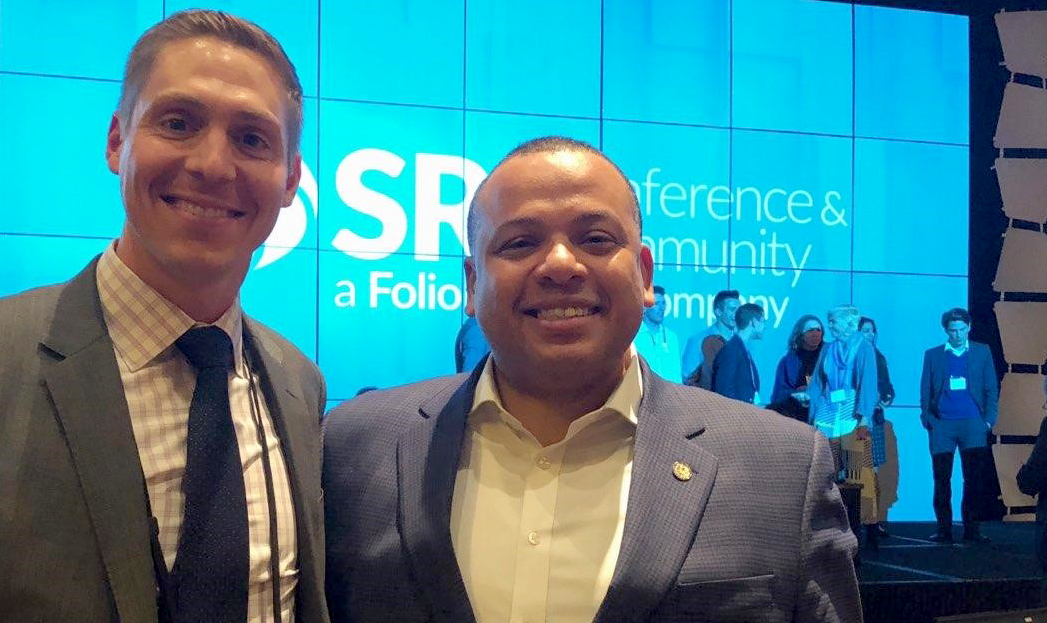
Matthew Blume with Kurt Summers-former Chicago Treasurer
Matthew Blume with Kurt Summers, former Treasurer for the City of Chicago at the 2018 SRI Conference

• The U.S. Dollar is Overvalued
When the U.S. dollar appreciates relative to the currencies of other countries, the U.S. stock market tends to outperform the stock markets of other countries. Similarly, when the U.S. dollar depreciates versus the currencies of other countries, the U.S. stock market tends to underperform. We think several important fundamental factors should lead to a weaker dollar in the years ahead (e.g., fiscal and monetary stimulus, trade imbalances), and that dollar weakness should fuel earnings growth and share price appreciation in emerging markets.

• ESG Outperformance in Emerging Markets
Over the past 10 years, the MSCI EM ESG Leaders Index has outperformed the MSCI Emerging Markets Index by more than 3.5% per annum while also experiencing less volatility and smaller drawdowns.4 This outperformance dwarfs that of the MSCI EAFE ESG Leaders Index vis-à-vis the MSCI EAFE Index (0.87% per annum), and in the U.S., the MSCI USA ESG Select Index has actually underperformed the MSCI USA Index by a small margin.5,6 This strongly suggests that ESG-focused investors can earn a material premium investing in emerging markets – one that can be elusive in developed markets.

We believe the opportunity on offer for ESG investors in emerging markets is clear. We recognize the unique challenges that emerging markets investing poses for SRI investors, but we also recognize that SRI investors who are willing to go against the grain stand to benefit greatly from deep undervaluation and an ESG premium. While countless ESG investors crowd into the same flashy U.S. technology stocks, paying multiples that all but guarantee poor forward returns, value conscious investors who are willing to do the more difficult work of understanding the ESG risks and opportunities of emerging market companies should be rewarded with attractive long-term performance in our view.


Article by Matthew Blume, CFA, Portfolio Manager and Director of ESG Research with Pekin Hardy Strauss Wealth Management.

Matthew is a portfolio manager of private client accounts at Pekin Hardy Strauss Wealth Management and manages the firm’s ESG research and shareholder advocacy efforts. Matthew works closely with clients to help them articulate their financial goals and constructs comprehensive financial plans to help them achieve those goals, all while ensuring that each client’s portfolio is aligned with his or her personal values and risk tolerance. As the firm’s Director of ESG Research, Matthew is responsible for understanding the ESG-related risks and opportunities faced by each potential investment that the firm considers. This information is key in the firm’s efforts to tailor client portfolios to their unique values. Matthew also leads the firm’s shareholder advocacy efforts, engaging with management teams of portfolio companies to encourage responsible and sustainable management of those companies. Matthew has become a respected voice in the SRI community, speaking at conferences and serving on expert panels around the country. He is an outspoken advocate for using business as a force for good and is highly active in the Chicago B Corp community. Prior to joining Pekin Hardy, Matthew worked as an investment advisor for Cornerstone Asset Management, and prior to that, as a systems engineer for a large government contractor. Matthew is a CFA Charterholder and is a member of the CFA Institute and the CFA Society of Chicago. He is also a frequent contributor to Nasdaq.com, where he writes on matters of personal finance and investing.

Article Footnotes:
[1] https://www.imf.org/en/Publications/WEO/Issues/2020/06/24/WEOUpdateJune2020

[2] Source: Oppenheimer, World Bank

[3] The cyclically-adjusted P/E (CAPE) ratio is a valuation measure that takes into account 10 years of earnings adjusted for inflation. If P/E ratios, profit margins, and inflation rates are mean reverting, and we believe that they are, this measure is a useful indicator of forward-looking equity returns. The lower the CAPE ratio, the more likely it is that 10-year forward returns will be attractive. The higher the CAPE ratio, the more likely it is that 10-year forward returns will be lower than historical returns.

[4] https://www.msci.com/documents/10199/c341baf6-e515-4015-af5e-c1d864cae53e

[5] https://www.msci.com/documents/10199/c8a8efd5-0bfb-44ae-9d5c-89e29fa8b9c6

[6] https://www.msci.com/documents/10199/180b72ea-8d96-471c-88c6-0c01fb682b76

This commentary is prepared by Pekin Hardy Strauss, Inc. (“Pekin Hardy”) for informational purposes only. Pekin Hardy Strauss, Inc. does business as Pekin Hardy Strauss Wealth Management, encompassing financial planning and separate account management services for individuals and families, and as Appleseed Capital, the firm’s institutionally-focused arm. The information contained herein is neither investment advice nor a legal opinion. The views expressed are those of the authors as of the date of publication of this report, and are subject to change at any time due to changes in market or economic conditions. Although information has been obtained from and is based upon sources Pekin Hardy believes to be reliable, we do not guarantee its accuracy. There are no assurances that any predicted results will actually occur. Past performance is no guarantee of future results. The S&P 500 Index measures an index of 500 stocks chosen for market size, liquidity and industry grouping, among other factors. The MSCI Emerging Markets Index is an index that consists of indices in 24 emerging economies: Brazil, Chile, China, Colombia, Czech Republic, Egypt, Greece, Hungary, India, Indonesia, Korea, Malaysia, Mexico, Pakistan, Peru, Philippines, Poland, Russia, South Africa, Qatar, Taiwan, Thailand, Turkey and the United Arab Emirates.

Additional Articles, Energy & Climate, Impact Investing, Sustainable Business

Responsible Investing in China

By John Streur, Hellen Mbugua, and Jade Huang, Calvert Research and Management

(Originally published October 2020)

It is undeniable that China’s influence on the global economy, global financial markets and geopolitical system is significant. From an economic standpoint it is the second-largest economy in terms of GDP and is slated to reach parity with the US in the next 10 years or so. In global financial markets, China represents 43% of the MSCI Emerging Markets Index and 5% of the MSCI All Country World Index as of August 31, which follows the United States and Japan. Moreover, 22% percent of the MSCI All Country World Index is non-Chinese companies dependent on the purchasing power of Chinese consumers to fuel their own companies’ sales and profit growth. On the geopolitical front, China continues to be an export machine supported by the country’s low-cost, skilled labor and efficient infrastructure.

However, the decision whether to invest in China is a complicated one, particularly to a responsible investor. The power and reach of China’s state-led model, its weak human rights record, lack of transparency, as well as heightened geopolitical tensions, can dissuade international investors from investing in Chinese companies or non-Chinese companies doing substantial business in China. Calvert’s viewpoint, however, is that it is preferable for a responsible investor to invest in China and engage as a shareowner, rather than divest. At Calvert, we believe as responsible investors we should fully understand the unique risks that investing in China may offer and weigh that against the return potential that a country with diverse people and a rich culture can offer in the form of both investment opportunities, in areas such as renewables, infrastructure, technology and consumer goods, as well as shareholder engagement. Engagement can create opportunity to be a part of positive change that advocates for business practices that can benefit the planet and the quality of life for billions of people.

Like many emerging-market economies, China is very much in development. While China’s GDP is second only to the US, its GDP per capita, according to 2019 World Bank data, is far lower, at $10,800 versus the US, at $65,118. This trails most Western countries and is more comparable to its emerging-market peers such as Mexico and Turkey. A strong civil society and legal system that provide effective checks and balances continue to be works in progress. At Calvert, we consider risks around data security, data access, legal protection, systemic corruption and political hazard to be key risks when investing in China, and ones we believe will grow in importance with China’s increasing economic influence.

Chinese internet security law, which took effect in 2017, requires that local firms allow the Chinese government access to individual privacy data in the interest of national security. Given China’s infamous record on protecting data of international firms and individuals, data security is a cause for real concern. This risk can lead to downstream reputational and liability hazard, as well as long-term national security concerns. The case of Yahoo reflects on ways this risk can materialize. Yahoo complies with Chinese authorities and openly acknowledges that the company cannot protect the privacy of China-based users. In 2005, when Yahoo provided data to the Chinese government, it led to the arrests and 10-year sentences of two Chinese activists. Yahoo was sued by the dissidents’ families, which eventually led to a settlement in 2007. As part of that settlement, Yahoo created a $17 million fund to support persecuted Chinese dissidents and their families.

Furthermore, data physically located in China is irretrievable by international regulators and firms. International auditing firms cannot retrieve data from their Chinese units. This can lead to problems for investors, affiliated auditors and international regulators. The case of China MediaExpress, an advertisement services provider, shows how problems surrounding data access can lead to losses for multiple parties. After being caught inflating revenues and stock prices, China MediaExpress was delisted by Nasdaq (2011), deregistered by the SEC (2012) and charged with fraud by the SEC (2013). In addition, Deloitte, KPMG, PricewaterhouseCoopers, BDO and E&Y were all charged by the SEC for refusing to hand over documents to aid the SEC’s investigations.

Another risk is China’s inconsistent application of legal protections, which may tend to veer on the rule by law, not the rule of law. The legal system is still developing, and is often influenced by powerful forces in politics and business. In previous decades, inconsistencies usually benefited international firms; more recently, inconsistencies have tended to benefit Chinese firms. We anticipate that this will continue as China protects domestic firms in certain sensitive industries. This risk is linked to unexpected legal action, particularly against people who are linked (even loosely) to sensitive issues. This risk materialized in December 2018, when Michael Kovrig and Michael Spavor were arrested by China and charged with criminal espionage days after Huawei’s CFO Meng Wanzhou was arrested by Canadian authorities and set to be extradited to the United States. Kovrig, a former diplomat, and Spavor, a high-level consultant, are both Canadians, and their arrests are almost universally seen as retaliation for Meng’s arrest in Canada. Kovrig and Spavor remain imprisoned in China.

Political tensions between Beijing and international actors can hurt Chinese and non-Chinese firms. This risk can cause serious financial damage to individual firms, potentially presenting material obstacles to established business models and growth strategies, and potentially impact the broader economy. The evolving saga around TikTok demonstrates the unstable environment that political hazard risks present for businesses and investors. President Trump’s executive order that threatened to ban TikTok was met with a recent update to Chinese law that could require ByteDance (the Chinese firm that owns TikTok) to obtain government permission for any sales of technology to a foreign company, potentially derailing any possible sales to Oracle, Microsoft and other non-Chinese suitors.

Finally, systemic corruption is another overarching risk. Similar to other emerging economies, vested interests at various levels of government operate in an opaque system. Networks of relationships often drive business and political decision-making processes. Many companies, such as GlaxoSmithKline (GSK), have faced reputational damage and steep financial losses due to their corrupt business practices in China. The case of GSK reflects how systemic corruption is relevant to both Chinese and China-exposed international institutions. GSK, the British health care giant with a history in China dating back to Imperial times, was involved in extensive corruption in its China operations. Company representatives bribed hospital officials and health care providers to push the company’s drugs for unlicensed uses. It also paid hush money to a patient who had health complications after using a drug that was not approved for the condition for which he was taking it, and GSK also attempted to bribe Chinese regulators. Moreover, GSK’s China operations were linked to a series of shell firms accused of money laundering. As a result, GSK had to pay a then-record $489 million fine to China in 2014, and several managers were deported and/or given suspended jail sentences. In the wake of the scandal, GSK’s sales and reputation plummeted in China.

Calvert believes that understanding these risks is essential when investing in China. We also believe that one can find attractive investment opportunities where the risk/return profile is favorable, given the growth potential in the country. As a responsible investor, engagement with management as a shareowner can also be a tool to drive positive change, whether improving working conditions for employees, pushing for stronger environmental practices or advocating for a move toward global norms of corporate governance. We are already seeing the Shanghai and Shenzhen exchanges move toward greater disclosure requirements around ESG issues. While overall disclosure requirements are not yet to the stringency of US and Hong Kong exchanges, the trajectory is positive. Responsible investors have a role in advancing these company disclosures so all investors can have a clearer understanding of material risks. By avoiding any Chinese exposure altogether, one loses that seat at the table.


Article by John Streur, President and CEO for Calvert Research and Management; Hellen Mbugua, Vice President and ESG senior research analyst for Calvert Research and Management; and Jade Huang, Vice President and Portfolio Manager for Calvert Research and Management.
See their biographies below.

References to individual companies are provided solely for informational purposes only and are intended only to illustrate certain relevant environmental, social and governance factors. This information does not constitute an offer to sell or the solicitation to buy securities. The information presented has been developed internally and/or obtained from sources believed to be reliable; however, Calvert does not guarantee the accuracy, adequacy or completeness of such information. Opinions and other information reflected in this material are subject to change continually without notice of any kind and may no longer be true after the date indicated or hereof.

As of August 31, 2020, Calvert portfolios hold the following companies within its integrated telecommunication services subindustry:
AT&T Inc.
BT Group plc
Cellnex Telecom S.A.
Chunghwa Telecom Co, Ltd
Deutsche Telekom AG
Elisa Oyj Class A
HKT Trust and HKT Ltd
Infrastrutture Wireless Italiane S.p.A.
KT Corporation
Nippon Telegraph and Telephone Corporation
NOS SGPS SA
Orange SA
Proximus SA de droit public
Royal KPN NV
Singapore Telecommunications Limited
Swisscom AG
Telecom Italia S.p.A
Telefonica Deutschland Holding AG
Telefonica SA
Telekom Austria AG
Telenor ASA
Telia Company AB
Telstra Corporation Limited
TELUS Corporation
TPG Telecom Limited
Tuas Ltd.
United Internet AG
Verizon Communications Inc.

As of August 31, 2020, Calvert portfolios hold the following companies within its pharmaceuticals subindustry:
Astellas Pharma Inc.
Axsome Therapeutics, Inc.
Bristol-Myers Squibb Company
Catalent Inc
Chemical Works of Gedeon Richter Plc
Chugai Pharmaceutical Co., Ltd.
Dechra Pharmaceuticals PLC
Eisai Co., Ltd.
Elanco Animal Health, Inc.
Eli Lilly and Company
GlaxoSmithKline plc
H. Lundbeck A/S
Hikma Pharmaceuticals Plc
Horizon Therapeutics Public Limited Company
Ipsen SA
Jazz Pharmaceuticals Plc
Kyowa Kirin Co., Ltd.
Merck & Co., Inc.
Merck KGaA
MyoKardia, Inc.
Nektar Therapeutics
Novartis AG
Novo Nordisk A/S Class B
ONO Pharmaceutical Co., Ltd.
Orion Oyj Class B
Otsuka Holdings Co., Ltd. Daiichi Sankyo Company, Limited
Perrigo Co. Plc
Pfizer Inc.
Reata Pharmaceuticals, Inc. Class A
Recordati Industria Chimica e Farmaceutica S.p.A.
Roche Holding AG
Royalty Pharma Plc Class A
Sanofi
Santen Pharmaceutical Co., Ltd.
Shionogi & Co., Ltd.
Sumitomo Dainippon Pharma Co. Ltd.
Taisho Pharmaceutical Holdings Co., Ltd.
Takeda Pharmaceutical Co. Ltd.
UCB S.A.
Vifor Pharma AG
Zoetis, Inc. Class A

Article Writers Biographies:

John Streur is president and chief executive officer for Calvert Research and Management, a wholly owned subsidiary of Eaton Vance Management specializing in responsible and sustainable investing across global capital markets. John is also president and a trustee of the Calvert Funds as well as a director of Calvert Impact Capital and member of its Risk Management Committee. He guided the creation of the Calvert Principles for Responsible Investment, the Calvert Research System and the Calvert Indices, and has placed focus on investment research and emphasis on environmental, social and governance (ESG) factors integrated with investment decisions. He joined Calvert Research and Management in 2016.

John began his career in the investment management industry in 1987. Before joining Calvert Research and Management, he was president and chief executive officer with Calvert Investments. He has managed socially responsible investments at the request of institutional clients, including public funds, religious institutions, and college and university endowments since 1991. Previously, he was president, director and principal of Portfolio 21, a boutique firm specializing in global environmental investing, and spent 20 years at AMG Funds (and its predecessors), a firm he co-founded and where he served as president, CEO and chair of the Investment Committee.

John is a Founding Member of the Investor Advisory Group of the Sustainability Accounting Standards Board and serves on Merck’s External Sustainability Advisory Council. John earned a B.S. from the University of Wisconsin, College of Agriculture and Life Sciences.

Hellen Mbugua is a vice president and ESG senior research analyst for Calvert Research and Management, a wholly owned subsidiary of Eaton Vance Management specializing in responsible and sustainable investing across global capital markets. She is responsible for environmental, social and governance (ESG) research in the apparel and retail industries. She joined Calvert Research and Management in 2018.

Hellen began her career in the investment management industry in 2009. She has worked with pension funds and asset managers in both public and private markets. Before joining Calvert Research and Management, she held senior investment positions at IFG Development Group and Adaris Capital Partners, both private equity firms focused on alternative assets. Prior to her work in private equity, Hellen was an associate director at Pacific Alternative Asset Management Company (PAAMCO), where she was an associate director covering multiple asset classes and participating in hedge fund co-investments. Prior to PAAMCO, she worked at State Street Corporation and Segal Consulting’s actuarial practice.

Hellen earned a B.S. from the University of California Santa Barbara and an MBA from the Tuck School of Business at Dartmouth College, where she was a Robert Toigo Fellow. She was born and raised in Kenya and speaks three languages.

Jade Huang is a vice president and portfolio manager for Calvert Research and Management, a wholly owned subsidiary of Eaton Vance Management specializing in responsible and sustainable investing across global capital markets. She is responsible for managing the suite of Calvert Responsible Indices, including the index construction processes, as well as developing new investment products at Calvert. She joined Calvert Research and Management in 2016.

Jade began her career in the investment management industry in 2005. Before joining Calvert Research and Management, she was a portfolio manager with Calvert Investments. Previously, she was an investment analyst at Microvest, an asset management firm specializing in impact investing, and led the certification department at Fair Trade USA. Jade earned a B.A. from the University of California, Berkeley and an M.A. in international finance and economics from Johns Hopkins University, School of Advanced International Studies (SAIS).

Energy & Climate, Featured Articles, Food & Farming, Impact Investing, Sustainable Business

Socially Responsible Investing: A Global Perspective

By Amy Domini, Domini Impact Investments

(Originally published October 2020)

Amy Domini-Domini Impact Investments-GreenMoneyGlobally, socially responsible investing is flourishing. Almost as importantly, it means the same thing around the world. I begin with some recent quotes, which I noted over the past few weeks:


  • Datuk Muhamad Umar Swift, CEO of Bursa Malaysia, “As a frontline regulator and market operator, we want to provide an environment that encourages sustainable practices among our market participants.”
  • Shenzhen-based Ping An has developed an ESG ratings framework it says is “suited to China” that “builds on the ESG compliance disclosure requirements of the Hong Kong Stock Exchange (HKEX) and the Shanghai Stock Exchange, as well as international guidelines.”
  • Saudi Arabia’s stock exchange, TADAWUL aims to launch an ESG index by the beginning of 2021.
  • “I perceive a sense of urgency on mainstreaming sustainable finance,” said Marcos Ayerra, chairman of the Securities and Exchange Commission of Argentina
  • The New Zealand Government has announced bold new plans to prevent default providers of its ‘opt-in’ retirement provision, KiwiSavers, from investing in fossil fuels.

During a fairly recent visit to the Serengeti, I would visit the gift shops at the safari camps we stayed at and marvel at the tags: “made by a women’s cooperative that supports education for Maasai girls,” “fair trade chocolate for dignity” were among them. Younger readers may not realize that this is new. Until at least the 1980s, such items were sold to tourists as much less expensive than American counterparts. Selling for cheap and not selling for purpose was the messaging. The world has shifted. Significant numbers of consumers make purchase decisions by a desire to support. Would this have come about without socially responsible investors? Perhaps, but probably not. Years of advocacy raised awareness.

Beyond a purchase decision, the acceptance and even mandating of responsible investment practices has begun to harness and use financial asset management systems for good. By influencing these financial systems to consider the need for a healthy planet with healthy citizens, the responsible investment field has done what no single government (nor the United Nations) has been able to accomplish. The old model of profit-at-any-cost, including the planet, has a counterweight.

It was not an accident nor a natural outcome of the past. Cultural anthropologist Margaret Mead’s famous observation “Never doubt that a small group of thoughtful, committed, citizens can change the world. Indeed, it is the only thing that ever has” is proving true through this concept we alternate between calling responsible and impact investing. Forty years ago there were a relatively few of us working to help the public to connect the dots. We wanted investors involved in the efforts others had begun to ensure the twin goals of universal human dignity and ecological sustainability. Tim Smith was then the Executive Director of Interfaith Center on Corporate Responsibility, motivating a global investor focus on South Africa, through the use of shareholder resolutions. Chuck Matthai was a veritable Johnny Appleseed of community development lending. Joan Bavaria had just launched the Valdez principals, which grew into a global environmental accounting movement. Joshua Mailman advocated for financing businesses that through their practices would achieve these goals. Each of these people did more than what they did. They shared strategy, respect and efforts. They built networks. There was no discussion of the best way. All ways were needed.

Early on activists focused on three approaches: 1. Set both ecological and human standards for what one would buy, 2. Engage with companies as an investor, and 3. Find ways to incubate and build grassroots economies that could alleviate poverty and bring more people into the mainstream.

After my book, Socially Responsible Investing, was translated into Japanese, Korean and Chinese, I travelled to financial centers in each of those countries and spoke out for this way of investing. In each location I followed the commitments early members of the then-named Social Investment Forum had made to each other. These standards included some simple ideas. One was that we would not play a game of which of our three core strategies was “better” since only when all three were used did we see the results we needed to see. Another was to remember the Southern hemisphere and to use it in examples and to support it in our work. A resolve not to use the word “black” to mean bad was agreed to. Recognition that a focus on the role of government was important to our work was acknowledged.

By agreeing to discuss the same issues in much the same way, a small group of committed individuals was able to appeal to investors from around the world and to make a relatively new and somewhat wobbly idea into the powerhouse it is today. Now we see that global impact investors practicing in a manner which is culturally appropriate but utilizing the three approaches is widespread and approaching seamless.

This all matters because we have a purpose. We are not advocating for our field because we think it might help you make better investment decisions, though it might. We are advocating for this approach because we believe that only an engaged investor class can prevent complete collapse of the fragile ecology of our planet, and provide universal dignity to all people. We recognize that global stock markets alone are as large as global GDP. We know that when you consider bond markets, currency markets, derivatives markets, and so on, the world of finance dwarfs the real world’s financial resources. We recognize that finance is sophisticated, interconnected, immediately reactive and limitlessly resourced. It is a magnificent tool for good or for evil. Building a vast investor class that places responsibility for the future squarely into every value proposition is our purpose. The trends in global SRI give us hope.


Article by Amy Domini, Founder and Chair of Domini Impact Investments.

She is widely recognized as the leading voice for socially responsible investing. In 2005, Time magazine named her to the Time 100 list of the world’s most influential people. In 2006, she was awarded an honorary Doctor of Business Administration degree from Northeastern University College of Law. Yale University’s Berkeley Divinity School presented Ms. Domini with an honorary doctorate in 2007. In 2008, Ms. Domini was named to Directorship magazine’s Directorship 100, the magazine’s listing of the most influential people on corporate governance and in the boardroom.

Ms. Domini is a past board member of the Church Pension Fund of the Episcopal Church in America; the National Association of Community Development Loan Funds, an organization whose members work to create funds for grassroots economic development loans; and the Interfaith Center on Corporate Responsibility, the major sponsor of shareholder actions.

Ms. Domini holds a B.A. in international and comparative studies from Boston University, and holds the Chartered Financial Analyst designation.

Energy & Climate, Featured Articles, Impact Investing, Sustainable Business

Sustainable Endowment Management

By John S. Adams, CFP®, CIMA®, UBS Financial Services

Conservation Trust Funds – Sustainable Investment Management for National Parks

Background – How I Got Involved

In July 2005 I found myself barreling down a dirt road with Francis Sabuni, Executive Director of the Eastern Arc Mountains Conservation Endowment Fund in Morogoro, Tanzania1. He was talking with animation while I asked him routine questions from an investment suitability questionnaire. “What time horizon should we consider for investment — 3-5 years, 5-7 years, 7-10 years?”, I enquired.

Mr. Sabuni answered with conviction: “500,000 years!” Then he expounded, “This national park endowment is not for us, it is for our grandchildren, and their grandchildren’s grandchildren.”

I protested that 500,000 years was not an option on the form. He said, “Put it in because that is the truth.” So, I filled in 500,000 years as the investment period, and I have heard no objection from my firm’s institutional consulting department.

It is rare for a national park to have an endowment, but they do exist. We like to think of our clients as jaguars in the forests of Suriname, dolphins in Caribbean, red pandas in Bhutan and mountain gorillas in the forests of Uganda. However, it is the human executives of these organization with whom we do our investment work.

Lions in Tanzania-by John S. Adams
Lions in Morogoro, Tanzania; photo by John S. Adams

What are Conservation Trust Funds?

In the most remote areas of many less developed countries there are rare endemic species that populate national parks and protected areas. Unlike in wealthy countries that can afford to pay to maintain parks from general revenues, these national parks need to be funded by tourism and some are too unstable or remote to attract tourists.

So, years ago, leaders from organizations including Wildlife Conservation Society, Conservation International, The Nature Conservancy, and World Wildlife Fund asked how we fund protection of nature for national parks with no revenues. The answer has been to place money into permanent endowments for nature. The governments of the Netherlands, Germany, France, the United States and Japan have joined conservation organizations and contributed tens of millions of dollars for endangered species and their habitats.

These endowments are held by Conservation Trusts, formed as non-profit organizations independent of local governments. They assist country governments and help pay for conservation activities, including community education, park guide training, ranger hiring, anti-poaching efforts and scientific research. There are more than 60 such organizations around the world.

Meeting Investment Needs

From an investment perspective there are three key drivers:

  • Cash flows are needed every year to fund essential conservation programs;
  • The principal value of the endowment should keep up with inflation; and
  • Long-term sustainability should be accounted for in investments as in conservation activities.

Each Conservation Trust’s Board of Directors defines the terms of investment in an Investment Policy Statement (IPS). An absolute return target is defined (e.g. 6.50% annual net return) and is separated into a Spending Policy (e.g. 4.00% for annual distribution) and an inflation offset (e.g. 2.50% reinvestment). In addition, guidance on asset allocation parameters and constraints, such as to avoid low-quality bonds, are specified.

Tanzania Elephant momma and baby-by John S. Adams
Elephant momma and calf in Morogoro, Tanzania; photo by John S. Adams

Sustainable Investing

Sustainable investment requirements are also set by the Board and spelled out in the IPS. There may be environmental, social and governance (ESG) exclusions, such as to avoid companies involved in damaging environmental processes like timber, mining or fossil fuel extraction.

Preferences may be articulated for investing in companies with superior pollution management and leadership in reducing greenhouse gas emissions (GHG). Conservation Trusts often ask for reporting that highlights the alignment of investments with the United Nations Sustainable Development Goals (SDGs).

Reporting and Monitoring

Services for Conservation Trusts include a rigorous quarterly review process which is carefully documented by each Trust’s Board. National park endowment Boards are prestigious and Board members are often leading lights in their country, including company executives, non-profit leaders, political figures and conservation scientists. They not only want good returns for the budget cycle, but also proficient and competent documentation of the investment process; they know that a large donor considering making a grant will demand such documentation, as well as evidence of adherence to sustainability standards.

The typical account for a national park endowment will hold twelve separate account strategies in a portfolio. A quarterly monitoring report assesses each investment strategy against its benchmark, and the entire portfolio is compared with a composite benchmark as well as to the total return target.

In most investment categories we combine the use of passive (index) and active (managed) investments. This allows for close tracking against the strategic benchmark with potential for outperformance. We explain to Board members that index investing guarantees underperformance to indexes, as all index managers charge a fee and performance will be reported in terms of index return less the index fee. Best-of-class active managers have the ability to outperform, due to manager style, industry weighting and security selection.

Bwindi Impenetrable Forest Uganda-by John S. Adams
Gorilla in Bwindi Impenetrable Forest, Uganda; by John S. Adams

The Big Picture

For conservation endowments with blended income and growth requirements, overall asset allocation is the most important driver of performance. However, we know that keeping fees low, using a blend of passive and active investment and using sustainable investment criteria can all contribute to return. This is where a team approach helps, as specialists, including our sustainable investment analyst, provide valuable inputs.

All team members are based on the West Coast and are hikers, skiers, kayakers and outdoor enthusiasts. We are also conservationists that contribute and volunteer outside of work. Working with Conservation Trust Funds involves grueling travel, working at all hours, and engaging with demanding clients for accounts with low fees. Working for these stewards of the “last great places on Earth” is heart work for us, and for the Arbor Group team and myself, it gives meaning to our work as investment professionals.


UBS logo

Article by John Adams, CFP®, CIMA®, Senior Portfolio Manager, UBS Financial Services. John leads The Arbor Group in Seattle, Washington, a team at UBS Financial Services that specializes in providing fee-based, multi strategy asset management to Foundations, Endowments and high net worth families. The Arbor Group Portfolio Management Team is directed under the UBS Portfolio Management Program (PMP) and provides socially and environmentally screened, global investment portfolios for clients. The Arbor Group Institutional Consulting Services provides multi-manager investment consulting worldwide for conservation endowments.

Disclosures

Certified Financial Planner Board of Standards Inc. owns the certification marks CFP®, Certified Financial Planner™ in the U.S.

CIMA® is a registered certification mark of the Investments and Wealth Institute in the United States of America and worldwide.

Sustainable investing strategies aim to incorporate environmental, social and governance (ESG) considerations into investment process and portfolio construction. Strategies across geographies and styles approach ESG analysis and incorporate the findings in a variety of ways. The returns on portfolios consisting primarily of sustainable investments may be lower or higher than portfolios where ESG factors, exclusions, or other sustainability issues are not considered, and the investment opportunities available to such portfolios may also differ.

John Adams is a Financial Advisor with The Arbor Group at UBS Financial Services Inc., 925 Fourth Avenue, Suite 3100, Seattle, WA 98104.

Any information presented is general in nature and not intended to provide individually tailored investment advice. Investing involves risks and there is always the potential of losing money when you invest. The views expressed herein are those of the author and may not necessarily reflect the views of UBS Financial Services Inc. As a firm providing wealth management services to clients, UBS Financial Services Inc. offers investment advisory services in its capacity as an SEC-registered investment adviser and brokerage services in its capacity as an SEC-registered broker-dealer. Investment advisory services and brokerage services are separate and distinct, differ in material ways and are governed by different laws and separate arrangements. It is important that clients understand the ways in which we conduct business, that they carefully read the agreements and disclosures that we provide to them about the products or services we offer. For more information, please review the PDF document at- https://www.ubs.com/relationshipsummary.


Footnote

[1]  The Eastern Arc Mountains Conservation Endowment Fund is a client of the Arbor Group at UBS Financial Services Inc

Additional Articles, Impact Investing

Sustainable Investing Firm Blue Marble Celebrates its 20th Anniversary

Industry-leading sustainable investment firm Blue Marble Investments celebrates its 20th anniversary with the launch of a new website and video highlighting the role of socially responsible investors in a time of pandemic and global social justice movements.

Interest in ESG (environmental, social, governance) investing has been growing worldwide and accelerated in 2020 in response to current social movements, economic uncertainties, and technology shifts driven by the pandemic. According to Morningstar, sustainable funds in the U.S. saw a record inflow of $21 billion in the first half of 2020, matching all of 2019 and four times the previous record for a calendar year. Worldwide, the assets in sustainable funds topped an astonishing $1 trillion as pandemic and social movements swept across the globe.

“For twenty years we’ve been on the leading edge of ESG focused investment advice. From clean energy to gender empowerment to self-driving cars, we’ve helped investors not only build diversified ESG portfolios, but also participate in some of the world’s fastest growing trends,” said Arturo Tabuenca, founder of Blue Marble Investments.

In 2006, Blue Marble Investments democratized sustainable investing with the launch of EarthFolio, the first online “robo” advisor to focus exclusively on ESG. In an industry where ESG investing expertise is rare, and fees and minimums often make advice inaccessible, EarthFolio became the first advisor to bridge the gap between affordable expert advice and a rapidly growing marketplace of ESG-focused funds and ETFs.

Drawing on its deep sustainable roots, Blue Marble Investment’s new website invites a new generation of investors ready to put their mark on today’s world. Unlike firms that offer ESG as an aside, Blue Marble’s new website offers a comprehensive look at the various elements of socially responsible investing and how investors can quickly and easily participate in this space. Examples include:

  • Fossil-free portfolios that replace oil, coal, and gas with clean energy alternatives.
  • Personalized impact themes in water, gender empowerment, clean energy, and transportation,
  • Turnkey portfolios highlighting the relationship between ESG and financial criteria.
  • A wide selection of retirement and non-retirement accounts available to investors.

The COVID-19 pandemic has put a spotlight on how social and environmental factors can positively impact investor returns, especially during periods of market and economic turmoil. This is increasingly evident as, according to Morningstar, all 26 sustainable index funds have outperformed their conventional peers in the first half of 2020.


About Blue Marble Investments

Blue Marble Investment’s is a Registered Investment Advisor in the state of California. Accounts are held by TD Ameritrade Institutional, a member of Securities Investor Protection Corporation. The name Blue Marble is inspired by the image of Earth as captured by Apollo 8 on NASA’s first manned mission to the moon. The iconic image is credited with launching the environmental movement, Earth Day, and the Environmental Protection Agency.

Additional Articles, Energy & Climate, Food & Farming, Impact Investing, Sustainable Business

Sustainable Funds Continue to Rake in Assets During the Second Quarter

By Jon Hale, Ph.D., CFA, Morningstar


ESG fund flows have already nearly matched last year’s record.

Sustainable fund flows in the United States continued at a record pace in the second quarter of 2020, with estimated net flows of $10.4 billion. That nearly matched first-quarter flows and brought the total for the first half of the year to $20.9 billion, just shy of the annual record of $21.4 billion in sustainable fund net flows set in 2019. Last year’s flows were 4 times the previous record for a calendar year. (above)

Flows are estimated for 315 sustainable open-end and exchange-traded funds available to U.S. investors. The group includes equity, fixed-income, allocation, and alternatives funds that have an ESG, impact, or sustainable sector focus. Funds of funds are not included in this group.

Most of the quarter’s flows came as equity markets rebounded in April. Investors poured $5.8 billion into sustainable funds in April, almost all of it to equity funds. It was the largest monthly flow ever recorded for sustainable funds in the U.S.

While U.S. investors overall poured money into bond funds and pulled record amounts out of stock funds during the second quarter, both stock and bond environmental, social, and governance funds experienced inflows. Investors overall pulled an estimated $137 billion out of stock funds, but ESG investors put $9.3 billion into stock funds. Flows into sustainable equity funds went mostly to passives (73%), but active sustainable equity funds had inflows of $1.8 billion. Four of the top 10 fund flows went to active funds.

Not surprisingly then, for the second quarter in a row, ETFs captured a majority of flows, on the strength of BlackRock’s iShares, which now has 21 ESG funds in its lineup. DWS’ Xtrackers and Nuveen also had success attracting assets to their ESG ETFs for the quarter.

Read the full article from Morningstar that includes a variety of useful charts and graphs.

Additional Articles, Energy & Climate, Impact Investing, Sustainable Business

X