Tag: Impact Investing

Regeneration: Ending the Climate Crisis in One Generation

By Paul Hawken | author, with a foreword by Jane Goodall

From the NYT bestselling creator of “Drawdown” and one of the environmental movement’s leading voices comes a radical new understanding of and practical approach to climate change.
Paul Hawken author of Regeneration bookThe dangers of a warming world have been in the public eye for at least the last fifty years, and yet it wasn’t until 2016 that 191 countries came together to sign the Paris Agreement, committing to prevent global warming from exceeding 1.5 degrees centigrade. Only two countries have targets consistent with that goal, and G7 countries do not even come close. The most asked questions by people are: What can I do? Where do I start? And how can I make a difference? When people see what climate change is doing to the earth, they can feel overwhelmed, anxious, confused, or very small — “I am just one person.”

Enter environmentalist, entrepreneur, and activist Paul Hawken. A leading voice in the climate movement, Hawken has dedicated his life to environmental sustainability and to changing the relationship between business, society, and the environment. His eight books include the 2017 New York Times bestseller Drawdown, which Outside Magazine called “a bold plan to beat back climate change.” This fall, Hawken returns with Regeneration: Ending the Climate Crisis in One Generation (Penguin Books; September 2021). An urgent and, ultimately, hopeful work — launched in conjunction with his Regeneration organization — Regeneration weaves justice, climate, biodiversity, equity, and human dignity into a seamless tapestry of action, policy, and transformation. It is the first book to describe and define the burgeoning regeneration movement spreading rapidly throughout the world — an inclusive and multifaceted undertaking that aims to end the climate crisis in one generation. As Jane Goodall writes in her foreword, “Regeneration is a rebuttal to doomsayers who believe it is too late.”

In Regeneration, Hawken states:

  • To reverse the climate crisis, the majority of humanity needs to be engaged. 98% of the world is not.
  • To get the attention of humanity, humanity needs to feel it is getting attention.
  • To save the world from the threat of global warming, we need to create a world worth saving.
  • To succeed, climate solutions must directly serve our children, the poor, and the excluded.
  • This means we must address current human needs, not future existential threats, real as they are.

In order to do this, Hawken identifies six basic frameworks to solve the climate crisis in Regeneration:

  1. Equity: Equity encompasses everything. All that needs to be done must be infused by equity. Fairness is about how we treat one another, ourselves, and the living world. We have transformed the planet in a geological blink of an eye. Transforming the climate crisis means mending the vital relationships and understandings between people, reconnecting humanity and nature, and restoring nature itself.
  2. Reduce: The best method of ending global greenhouse gas emissions is simple: don’t put them into the atmosphere. It is also the most difficult, while being the greatest economic opportunity in history. Hawken predicts the end of fossil fuels by 2040 and the advent of totally electrified world by 2050.
  3. Protect: The world’s terrestrial ecosystems contain four times more carbon than the atmosphere. If we lose just 6 percent of our grasslands, forests, mangroves, seagrasses and wetlands, we will see a 100 ppm increase in atmospheric carbon dioxide. Protecting wildlife corridors, bioregions, biomes, and all the forms of life within them are crucial to stopping the climate crisis.
  4. Sequester: This means bringing carbon back home. It is the nutrient required by life to regenerate the earth. The primary way to sequester carbon is through regenerative agriculture, grazing ecology, proforestation, afforestation, degraded land restoration, and protecting existing ecosystems.
  5. Influence: Laws, bureaucratic regulations, perverse subsidies, bygone policies, and outmoded building codes often obstruct climate initiatives. Making our voices heard requires letters, emails, protests, boycotts, and lobbying legislators, companies, city council members, and corporate CEOs.
  6. Support: Regeneration contains links to a vast network of organizations, ideas, groups, videos, books, and people who are implementing regeneration worldwide.

Hawken explains how Regeneration creates abundance, not scarcity. It expands what is possible. It is about the optimism of action instead of the pessimism of thought. Regeneration is an inspiring and necessary guide to today’s climate movement that will enable readers to understand its many facets — and more importantly, to act.

Paul, in his usual inimitable way, describes the most important solutions to the environmental and social problems we have brought upon ourselves, and shows how they are inseparably linked. Regeneration is honest and informative, a rebuttal to doomsayers who believe it is too late. He echoes my sincere belief that we have a window of time, that there are practical solutions, and that we and all our institutions can initiate and implement them in order to restore life climatic stability and on Earth. Let us work to live up to our scientific name: Homo sapiens, the wise ape.

From the Foreword by Jane Goodall


Find out more at the Regeneration website which is the world’s largest, most complete listing and network of solutions to the climate crisis.


About the Author:  Paul Hawken is an environmentalist, entrepreneur, author and activist who has dedicated his life to environmental sustainability and changing the relationship between business and the environment. He is one of the environmental movement’s leading voices, and a pioneering architect of corporate reform with respect to ecological practices. He is the bestselling author of eight books that have been published in 30 languages in more than 50 countries and have sold more than 2 million copies, as well as dozens of articles, op-eds, and other papers concerning the environment, the ethical responsibility of business, and social justice. Hawken is a renowned lecturer who has keynoted conferences and led workshops on the impact of commerce upon the environment, and consulted with governments and corporations throughout the world.

Additional Articles, Energy & Climate, Food & Farming, Impact Investing, Sustainable Business

Place-Based Impact Investing: A new report from CCM

Community Capital Management, LLC (CCM), a leading impact and environmental, social, and governance (ESG) investing manager, recently released a new report, “Place-Based Impact Investing: Key Benefits, Lifecycles, and Opportunities.” The report is available for download at no charge.

Plant-based Impact Investing Report from Community Capital MgmtReport Highlights Include:

  • Key benefits of place-based impact investments: Place-based impact investing offers the chance to spotlight collaborative efforts that can result in better economics and better community outcomes. In some cases, a single project or targeted community may receive funding from one or multiple sources resulting in a multitude of local, community benefits, including job creation opportunities and neighborhood revitalization. While place-based investing provides many benefits, we’ve highlighted four in the report given their overall importance to communities and people nationwide. They include affordable housing, economic inclusion, community collaboration, and environmental sustainability.
  • The lifecycles of place-based impact investments: While each place-based investment opportunity has unique characteristics, certain themes tend to repeat in the lifecycles and evolution of place-based impact investments and in the securities that end up in CCM’s client portfolios. Every stage of the revitalization process is dependent upon the others for success. Connecting the dots of place-based impact investing can help all participants work more efficiently and with a better understanding of the entire process.
  • Opportunities across asset classes: Various place-based impact investment opportunities can be found across different asset classes and risk/return spectrums. We have highlighted three diverse asset classes in the report which investors can start to direct their capital toward positive environmental and social impacts in their local neighborhoods.

“Place-based impact investing refers to the local deployment of impact capital which are investments made with the intent to yield both financial and social and/or environmental returns to address the needs of marginalized communities,” said Jamie Horwitz, chief marketing officer at CCM. “We are pleased to share this new report which takes a closer look at how this style of investing can address economic and environmental disparities in local communities.”

David Sand, CCM’s chief impact strategist, added: “Americans, especially younger generations, increasingly prioritize and support local economies. We are arriving at a collective, and correct, conclusion that global and domestic problems need local solutions and investing in place-based opportunities can offer investors appropriate risk-adjusted returns while positively impacting our communities to be better, greener, and more just.”

Download a copy of the Report here.

Additional Articles, Impact Investing, Sustainable Business
Community Impact Investing in Sustainable Infrastructure

By John Chaimanis, Kendall Sustainable Infrastructure

Above: Food Farms and Solar Farms coexisting in Vermont.

John Chaimanis of Kendall Sustainable InfrastructureWith so many investment options geared towards ESG strategies, it can be hard to identify ones that drive direct and measurable impact towards their desired cause. The investments that can trace their value to an actual effect are said to have “additionality.” For example, buying the stock of the even the best-intentioned company that is already publicly listed does not create additionality, but investing with a firm that builds new distributed scale sustainable infrastructure projects does. Each dollar is directed into building a real asset, which creates jobs, injects money into local communities, and produces quantifiable ecological impacts that positively impact all socioeconomic strata.

Renewable forms of energy have accounted for over 50 percent of newly installed capacity for the last five years in the US, and this is projected to accelerate in the coming years as renewables become the dominant source of energy by 2035. The opportunities for environmental and community impact are tremendous. In early iterations of the recently passed 2021 Infrastructure Bill, proponents included provisions for human infrastructure. It was a novel way to bridge two conceptually disparate ideas: people and the built environment. Yet, in every possible way, infrastructure and people are deeply intertwined. Renewables, and more so distributed scale renewables, represent one of the best ways to positively impact a community.

Imagine a distributed scale solar project planned on 5 – 20 acres of land in a rural community (as opposed to a utility scale project in the desert planned on 20 square miles). The project doesn’t just appear. It takes years and literally hundreds of people, stakeholders, champions, and stewards to bring it into being. Throughout the process, salaries are paid, environmental impacts are weighed, and communities plan how to spend their increased revenue in the form of taxes. The workers who build the project are local, they spend a portion of their wages with business in the community where the project is located, and the money supply increases. Nearly 230,000 people work in the solar energy industry, with over 160,000 in development and installation. In addition to jobs, the landowners generally retain their land, and collect rent from the project. In some cases, that means being able to affordably convert to an organic farm, or the additional rent serves as a hedge against the volatile price of milk.

What’s more, a sense of community is tangibly forged around these state-of-the-art technology projects, which are entirely compatible with rural and urban living alike. Community members can purchase the clean power directly from the projects often at a discount to their power bill, all while doing their part to slow down climate change. Farmers can graze their sheep between the rows of panels while also creating value from their unused land. These projects democratize renewable power, as everyone, regardless of creditworthiness, can buy power and save money from these “community solar” projects. It’s not just individuals that can participate; the clean power is available to municipalities, hospitals, and commercial entities alike. Schools can save enough money by buying clean, renewable energy to retain or hire new faculty and staff – even in the face of budget cuts.

Each project also creates a tangible CO2 offsets by replacing power used from traditional fossil fuel power plants. When possible, these projects are built on shuttered industrial sites, capped landfills, and other derelict plots of land giving them a new purpose.

A view of the Green Mountains from a community solar project in Vermont
A view of the Green Mountains from a community solar project in Vermont.

When evaluating an investment opportunity like this, it is prudent to consider the values of the managers and the company’s track record. The “Greening of Wall Street” has moved mountains of capital into the impact space, but it hasn’t always changed the hearts of the investment professionals themselves. These projects are complex, and not all investment managers play the game with the same altruistic dogma. There is an additive way and an extractive way to get these projects across the line. Savvy impact investors take care to scrutinize the manager and platforms they back. Wealth managers, their clients, and individual investors would gain far more satisfaction knowing that their investments are with proper stewards who are driven by a greater purpose.

The best part is that these projects work economically. A reliable policy that sets a stable framework around permitting, interconnection, and taxation is more sustainable than handouts and giveaways. With solar currently at around 3 percent of the electric mix in the US and projected to exceed 15 percent in ten years, it represents one of the largest and fastest moving transition markets of our lifetimes. Properly managed, distributed scale assets are one of the most significant ways to create impact in a local community while rebuilding the environment.

Infrastructure has a great story to offer when considering community impact. Dollars are invested directly into tangible benefits to communities, people, and the environment – creating pure additionality.


Article by John Chaimanis, Co-Founder and Managing Director of Kendall Sustainable Infrastructure. His work focuses on all aspects of the business including setting the strategic direction, deal sourcing, financial structuring and asset management. Prior to Kendall, Mr. Chaimanis worked with a subsidiary of Edison International in California where he developed and acquired over $500M of energy projects, installing 250MW of renewable energy assets. Mr. Chaimanis is published and has lectured to universities on the topic of energy markets and renewables. Prior to his career in energy, Mr. Chaimanis co-founded a charter school. Mr. Chaimanis holds an M.B.A. from Babson College, and a B.S. in Finance from Villanova University. He has earned certification from US SIF for Sustainable and Responsible Investing (SRI). Connect with him on LinkedIn at – https://www.linkedin.com/in/johnchaimanis/

Additional Articles, Energy & Climate, Impact Investing, Sustainable Business

Money and Meaning: Fit for Purpose?

By John Howell, Climate Finance Weekly

ESG is necessary but insufficient. The IPCC “code red for humanity” report delivered an expected but still major jolt to the global financial community. Now, the question is, how should global finance respond to the report’s urgent recommendations? Is the widely adopted ESG approach the best way to successfully mitigate carbon emissions according to Paris Agreement goals?

For an answer, we could start by looking at it through the lens of “fit for purpose,” a British term. In essence, is something working for the purpose for which it was created?

That’s the question posed by Felicia Jackson, in “We need to talk about ESG…Is it fit for purpose?” a Forbes op-ed. Jackson is a lecturer on energy, climate policy and finance at the University of London, and a founder of The Net Imperative Ltd. and New Energy Finance. She acknowledges that ESG matters because “ESG principles frequently underpin what we understand as sustainable investment.” But there’s a problem. ESG can create a “risk profile” of an investment but doesn’t “tell us anything about the impact on overall emissions, pollution, water use or society and the environment.” While noting that ESG “can help cut costs significantly… the question is how far an ESG rating can take you… Becoming ESG aligned, carbon-neutral or even committing to net zero doesn’t tell us whether the company’s strategy is aligned with the Paris goals to keep global emissions reductions within the carbon budget.”

The biggest stumbling block, says Jackson, echoing a familiar refrain, is multiple standards: “The range of reporting methodologies and the lack of standardization and comparability between companies and sectors” that make measuring performance against concrete targets within near-term timelines too various to be useful.

She notes that “many companies report through the Global Reporting Initiative or Sustainability Accounting Standards Board, now merging with the International Integrated Reporting Council into the Value Reporting Foundation but that few companies report their Scope 3 emissions — the emissions caused by the use of their products and services during their lifetime and disposal. It’s a significant omission from reporting. Without specific targets, actionable time-frames and robust reporting, it’s hard for investors to confirm progress on climate-related issues.

Verdantix, a research and advisory firm, has taken on the dilemma by putting together a new report in which it evaluates the evaluators. Smart Innovators: Climate & ESG Financial Markets Solutions delivers what it describes as “a comprehensive benchmark covering the capabilities” of 45 providers of ESG information, analytics, ratings and data. The report rightly notes that there are multiple ESGs and that the concept is a methodology, not a product, so of course, there will be various versions. Verdantix urges heads of ESG at financial firms to use the report to guide their choice of ESG solutions.

An industry-led initiative by the Partnership for Carbon Accounting Financials is working to develop a “standardized, robust, and clear way for banks, asset managers and asset owners to measure and report the GHG emissions impact of their loans and investment portfolios.” Since November 2020, when the organization launched the Global GHG Accounting and Reporting Standard for the Financial Industry, it has grown to 146 members around the globe representing more than $47 trillion in total assets. Originally a European-driven effort, PCAF has recently been joined by Japanese financial firms Mitsubishi UFJ Financial Group and Mizuho Financial Group.

In another development that underlines the sense of growing urgency in the financial sector to take action, the U.K. has announced the launch of a G7 Impact Taskforce to promote investment with positive environmental and social impacts worldwide. Members of the taskforce, funded by the U.K. as president of the G7 this year, reportedly with sizable industry contributions, have just been announced –– and read like a who’s who of the industry, starting with BlackRock, Temasek and Amundi.

Among the Taskforce’s primary objectives: “to oversee the development of thematic and technical efforts focusing on the need for greater simplification and harmonization of impact reporting methodologies and accounting.” This initiative is being coordinated by the Global Steering Group for Impact Investment, working with the Impact Investing Institute of the UK.

Some investors aren’t waiting. In the wake of the IPCC report, a renewed sense of urgency is driving action and innovation. “As much as the report from the IPCC is bleak and depressing, there is also a call to arms,” says Oliver Haill, a financial journalist, writing in Proactive Investor (another U.K. outfit). “If urgent and large-scale changes are made, then some of the most severe impacts can be avoided and many will be reversible.”

Haill posits eight steps that concerned investors could take right now to make progress in finance focused on climate change. Some are fairly basic, such as switching pension savings to green investments, re-thinking priorities (growth vs. issues) and voting at annual general meetings. Others require a stepped-up effort, from corporate engagement to activism, choosing impact investments, and investing in more specialized track ETF funds that provide purer exposure and in green bonds, which require considerable research. The point is, these are actions that can be taken now. Post-IPCC report and pre-COP26, I suspect we will be seeing more such moves.


Article by John Howell, a writer, editor and broadcaster who oversees the Climate Finance Weekly newsletter and advises on communications and media strategy. He was co-founder, editorial director, and chief of thought leadership for 3BL Media, for which he managed all original editorial content, wrote, and edited newsletters, and created the Brands Taking Stands initiative. He has worked as an editor and contributor for Elle, Artforum, and High Times magazines, developed new media for Hearst Magazines, and created communications for Calvin Klein, Polo/Ralph Lauren, and The Body Shop. He lives and works in New Hampshire and Maine.

Reprinted with permission from Climate & Capital Media, a strategic partner with GreenMoney Journal.

Additional Articles, Energy & Climate, Impact Investing, Sustainable Business

Innovative Fundraising Options for Impact Investment Funds Targeting Community Challenges

By Rick Davis, LOHAS Capital

Above: Capital UNTAPPED! How Professional Athletes are using their Innovation, Investing and INFLUENCE Capital to drive Impact and Business Ventures, and how the Family Office investor community can partner to elevate their projects and Return on Investments. Photo of Athletes Panel at the Opal Group Conference in July 2021 in Newport, RI with (left to right) Rick Davis of LOHAS Capital, Udonis Haslem, Shawn Springs, Daniel Puder, Santia Deck, and Tim Hardaway. Courtesy of LOHAS Capital

Fundraising for traditional investment funds is trying under the best of circumstances. The degree of difficulty for social and environmental impact funds seeking investment during uncertain times can be far higher. Nonetheless, there are innovative, albeit less traveled, paths to investment that may be well suited for impact funds.

These creative fundraising approaches come as the challenges that communities face are increasing (or, at least, are becoming better recognized), whether those are the issues of localized groups, or communities of underserved populations, or broader social concerns that cut across race, gender, and geography. A few innovative fundraising options are explored below, including Banks (under the Community Reinvestment Act), Donor-Advised Funds, and (perhaps most promising) Fiscal Sponsor Programs.

Banks and the Community Reinvestment Act

Potentially the least utilized fundraising strategy within the world of impact investing, the Community Reinvestment Act (“CRA”) can be a tool for select impact funds to seek investment from banks. Among the many regulatory requirements for banks in the U.S., CRA obligations ensure that banks participate positively in their communities, including lending to underserved populations or businesses in the areas that the bank serves. Not meeting CRA benchmarks can lead regulators to impede certain bank activities (like acquisitions).

While CRA requirements are typically met through traditional loans, impact funds that invest in solving similar societal challenges can become “CRA certified” which opens the door (through a specialized third-party structure) to accepting investment directly from banks that can come either in the form of loans or equity investment and which can help satisfy the bank’s CRA obligations (while positioning the bank to make attractive returns).

Most banks may be unaware of these types of innovative solutions to their CRA requirements, but as an example Western Alliance Bank made a recent investment in FVLCRUM Fund, a private equity fund focused on building wealth for minority business owners. Notably, Western Alliance Bank received regulatory approval from the Federal Reserve for its investment in FVLCRUM Fund, paving the way for CRA credit and thereby satisfying the bank’s regulatory requirements while also generating both financial and social impact returns (ideal selling points for impact fund managers).

Donor-Advised Funds

As most readers already know, donor-advised funds (“DAF’s”) are philanthropic and social impact investment tools that allow individual, family, and corporate donors to fund special accounts through DAF “sponsor” organizations. Donors receive immediate U.S. income tax deductions and maintain allocation privileges over the fund’s distribution. Due in part to their simplicity as a tax management strategy, DAF’s have exploded in use in recent years, with well over $100 billion in assets now in DAF’s.

The interesting aspect for the impact fundraising world is that DAF’s are (largely) untapped sources for investment in for-profit impact ventures, but that is starting to change; and beyond the sheer volume available, DAF’s are an ideal impact investment tool because they are completely risk free – the funds have already been donated so no financial returns to the donor/investor are expected – but investments from a DAF that generate real financial returns can flow back into the DAF so that (like with a traditional investment portfolio) that capital is available for the donor/investor to direct towards the next socially or environmentally impactful venture.

Unfortunately for fund managers, most prospective investors’ DAF operators do not currently allow their donors to use their DAF’s as (for-profit) impact investing mechanisms, and those that do typically offer only a limited selection of investment options for donors (i.e., not the particular impact fund). However, some DAF sponsors are showing greater flexibility, and DAFs can be easily transferred to other sponsors that better support donors’ impact investing goals. For impact fund managers, just letting prospective investors know that their DAF funds can be invested in the fund will likely be new information (often not offered by the investors’ financial advisors) and may provide a way for those investors to support a community issue about which they care deeply without dipping into their main portfolio.

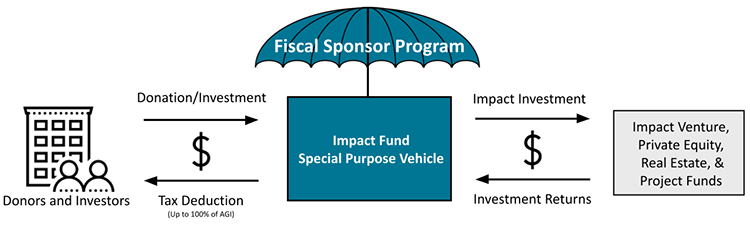
Fiscal Sponsor Program - Impact Fund infographic - LOHAS capital

Fiscal Sponsor Programs

Perhaps the most powerful and yet underutilized fundraising tool in the impact fund manager’s toolbox, fiscal sponsor programs can allow funds to take in investment from tax-attractive donations from a variety of contributors, attracting more capital while delivering meaningful financial advantages to supporters. Although both DAF’s and fiscal sponsor programs can be used to invest donated capital, DAF’s are better-suited for individual (or corporate) donors that want to advise on the distribution of all funds in their DAF; however, for those parties that would like to establish ongoing support for an impactful fund or cause (and defer investment decisions to others) a fiscal sponsor program may be a better fit.

This distinction makes fiscal sponsor programs ideal for impact fund managers who are already guiding the investment of funds, and a fiscal sponsor program offers much more flexibility to funds regarding who can contribute and into what capital is invested. Furthermore, as an added attraction for fund managers to offer investors/donors, through the end of 2021 (at least) fiscal sponsor programs deliver substantially greater tax benefits to donors than foundations (or even DAF’s) with taxpayers able to deduct up to 100 percent of their adjusted gross income.

So, what types of investors/donors might take advantage of an impact fund’s fiscal sponsor program? There are parties that, for whatever reason, cannot (or will not) invest in an impact fund even if they ostensibly support its cause; for these parties the fund is offering a way to participate (through donated capital) that gives them immediate and meaningful tax benefits; notably this may be a good fit for corporations and foundations that voice their support but are challenged due to their internal structures to make “investments” in the fund. Also, for those parties that are investing real capital in the primary fund, the fiscal sponsor program provides a way to extract even further financial backing by tapping into their donated capital (or existing donor-advised fund) and providing them maximum tax deduction benefits.

For fund managers looking to set up these programs, it’s important to note that fiscal sponsorships have existed for many years but often have served simply as “pass-through” funding mechanisms to allow charitable capital to be delivered to select ventures (such as entertainment productions), generating tax deductions for donors in the process. It may be a better fit to identify fiscal sponsor program managers that deliver a more robust service offering geared to impact funds, providing more flexible and proactive solutions and which are set up not only to manage complex structures but also accept diverse asset classes, including crypto, real estate, business ownership stakes, etc. Ideally, the services of these program managers should extend beyond back-office activities to front-office support with messaging and proactive outreach to groups that may be most aligned with the fund or its cause.

In summary, there are many impact funds delivering real solutions to access, affordability, and other community challenges. As these fund managers look to raise capital, they should offer prospective investors the broadest set of options to contribute and set examples for others to follow. If a fiscal sponsor program may be a good fit, contact LOHAS Capital for immediate activation to help provide investors/donors with the maximum tax benefits before they expire at year’s end.


Article by Rick Davis, Founder and the Managing Partner of LOHAS Capital and LOHAS Advisors. The LOHAS partners are thought leaders in the impact investing strategic advisory arena. Supporting investors and donors (including family offices, individual investors and their advisors, corporations, and foundation) as well as impact ventures (from funds to companies, projects, and entertainment productions), LOHAS works to champion alternative investment structures and strategies to accelerate and amplify the flow of capital to socially and environmentally impactful pursuits.

Featured Articles, Impact Investing

Community Investing: Tools for These Times

By Donna Katzin, Shared Interest

Above: Donna Katzin, founder of Shared Interest with Ruben Mbuyisa of Mutha Farms – beneficiary of a Shared Interest guarantee. Photo courtesy of Shared Interest

Shared Interest logoToday, in our current political and social environment, the demand to invest in undercapitalized Black and Brown communities resonates with particular urgency – and for good reasons. In the U.S. alone, white families have accumulated seven times more wealth than Black families and five times more than Latinx families, and during the pandemic twice as many Black-owned as white-owned businesses have been forced to close.1

Investing in low-income communities struggling at the margins of the mainstream economy has been a pillar of socially responsible investing for more than half a century – the movement has now broadened to include “sustainable” and “impact investing.” While faith-based and other investors have also launched corporate dialogues and screened their investments to end slavery, advance civil rights, stop the Vietnam War, abolish apartheid and combat climate change – many have proactively invested in undercapitalized and disempowered communities.

Just as this movement gathered momentum on the heels of the Civil Rights and anti-apartheid movements, it is particularly relevant now to strengthen Black, Indigenous and People of Color (BIPOC) communities and to help reverse the concentration of wealth and power in fewer and fewer hands. This agenda prioritizes transforming an economy built on the original sins of the suppression of Native people, enslavement of Blacks and extractive exploitation of the earth.

In our globalizing world, where challenges of inequality, racial oppression, climate change and pandemics know no borders and impact each other, SRI has provided a mechanism for redirecting capital toward global solutions. In this context, a number of community investing institutions work internationally. These include Root Capital, which lends directly to rural enterprises and small-scale farmers in Sub-Saharan Africa, Latin America and Southeast Asia; Working Capital for Community Needs, which extends credit to microfinance institutions in Latin America; MicroCredit Enterprises, which provides finance for overseas microfinance institutions and small businesses; and Shared Interest, which facilitates Black communities’ access to commercial capital in Southern Africa (see below).

Gathering Steam

Community investing in the U.S. is growing rapidly and steadily.  Assets invested in community investing institutions – totaling $226 billion in 2020 – nearly doubled between 2014 and 2016, rose by more than 50 percent during the following two years, and increased by 44 percent between 2018 and 2020, reports USSIF.2

Fueling Transformational Change

Community investing not only redirects resources to enterprises, homes and facilities in communities marginalized by racial, gender and economic exclusion. At the same time – place-based strategies can further challenge an inequitable status quo by empowering vulnerable communities, linking them to broader social movements, and impacting institutions that keep their residents poor and powerless.

Here are some important examples:

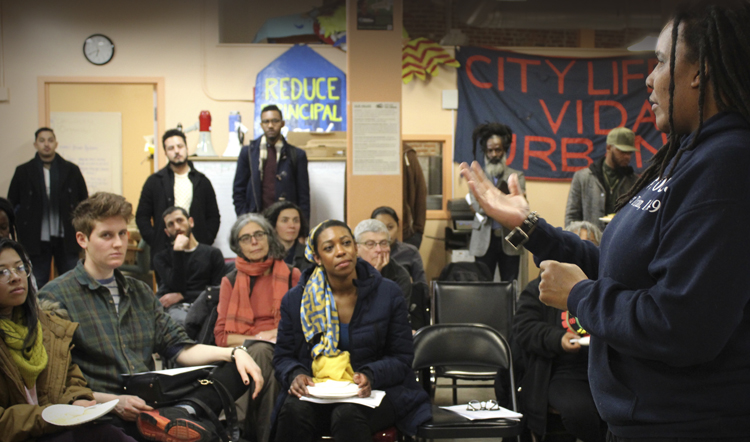
Nia Evans director of Boston Ujima Project talks with Ujima members about how to become investors
Nia Evans, director of the Boston Ujima Project talks with Ujima members and supporters about how to become investors in the Ujima Fund on the evening of the fund’s official launch. The gathering took place at the headquarters of the housing justice organization City Life/ Vida Urbana in Boston. Photo by Sarah Jacqz.

Grassroots Community-Engaged Investment: The Boston Ujima Project.

A recent paper by Transform Finance examines grassroots community engaged investment institutions (GCEIs), such as the Boston Ujima Project, which combine BIPOC community investment and community organizing strategies to build wealth and power.

Ujima (whose name is Swahili for collective work and responsibility) has worked in Black communities in Boston since 2017 to provide finance to local residents, using grassroots structures including neighborhood assemblies to ground the organization’s policies, practices and products in members’ decisions. It further facilitates collaborations and advocacy to advance their goals and broad economic justice agenda. Ujima’s United Business Alliance also translates these priorities into action by providing a network of community-oriented companies committed to sharing ownership and wealth, creating good jobs and meeting local needs in keeping with community priorities.

Movement-Building: The Oweesta Fund

A second strategy connects community development financial institutions (CDFIs) serving excluded and exploited populations to larger social movements. For example, the Oweesta Fund (which grew out of the First Nations Development Institute) provides loan products and grants, as well as technical, policy and advocacy support to the 40-year old Native Community Development Financial Institution movement and its members.  It aims to help build “the economic independence and strengthen sovereignty for all Native communities.” With its $16 million loan portfolio and support services, Oweesta fortifies the connective tissue between CDFIs deeply rooted in Native communities and amplifies and leverages the voice and power of these institutions and their communities to advance their shared priorities and rights.

Shared Interest Partners from African Women in Agribusiness - a Malawian org launched by Graca Machel Trust
Shared Interest partners from African Women in Agribusiness, a Malawian organization launched by the Graca Machel Trust that benefited from a Shared Interest guarantee. Photo courtesy of Graca Machel Trust, supplied by Shared Interest.

Changing Institutions: Shared Interest

Launched in 1994, after the fall of apartheid, to enable South Africa’s Black majority to make a reality of its hard-won rights, Shared Interest utilizes loan guarantees to catalyze institutional change. By sharing risk with Southern African commercial lenders and providing technical support, it has helped move 22 banks and other financial institutions to extend credit for productive purposes to Black communities and clients they would have otherwise considered “unbankable.” The organization has benefited more than 2.3 million entrepreneurs, farmers, home-owners and cooperatives since inception. The ultimate goal is for Black borrowers to secure credit from mainstream financial institutions that have changed their business practices to include them.

Looking Forward

Of course, there are challenges. Not the least of these is scaling strategies that are deeply rooted in particular communities, and not easily replicable. Moreover, the community investing field has not yet developed an efficient and sustainable mechanism for connecting these “transformative” organizations to each other or to the retail investment market, despite several valiant and innovative attempts and technology-enabled platforms. This remains a focus for the future. If we are serious about challenging racial and economic oppression and empowering marginalized communities, we urgently need to educate investors about which kinds of community investments produce which outcomes and impact. Examples include Calvert Impact Capital’s resource for impact-driven faith-based investors.

We must also support:

  • Emerging GCEIs in frontline communities;
  • Intermediaries that link and support such grassroots wealth- and power-building initiatives; and
  • Organizations that engage in institutional change.

Working together, today’s social change movements and investors have the potential to harness what we have learned about community investing and organizing since the 1960’s to build the resources, capacity and power of communities struggling for social, racial, economic and environmental justice.

These times require no less.


Article by Donna Katzin, the founding executive director of Shared Interest, which she led for 26 years to help move international investors from disinvestment from apartheid to reinvestment in a democratic new South Africa. Previously she directed the South Africa and International Justice Programs for the Interfaith Center on Corporate Responsibility.  Prior to that she created the Human Rights Department and served as an organizer for District 65 UAW in New Jersey. She has been honored by the South African – American Organization, the North Star Fund, the South African Embassy, Face2face Africa, and the Conference on Sustainable, Responsible, Impact Investing.

Donna has worked as a community organizer in housing, bilingual education, and the movements to oppose US intervention in Central America and the Caribbean and apartheid in South Africa. She co-leads Tipitapa Partners, a US non-profit that works with marginalized women and youth in Nicaragua to sustain their communities and uphold their rights, and is a board member of Community Change and the Fund for Community Change in the US.

Featured Articles, Impact Investing, Sustainable Business

Addressing Housing Affordability with Access to Homeownership

By Mike Loftin, Homewise

Faced with an affordable housing shortage, policymakers often overlook America’s biggest source of affordable housing: homeownership.

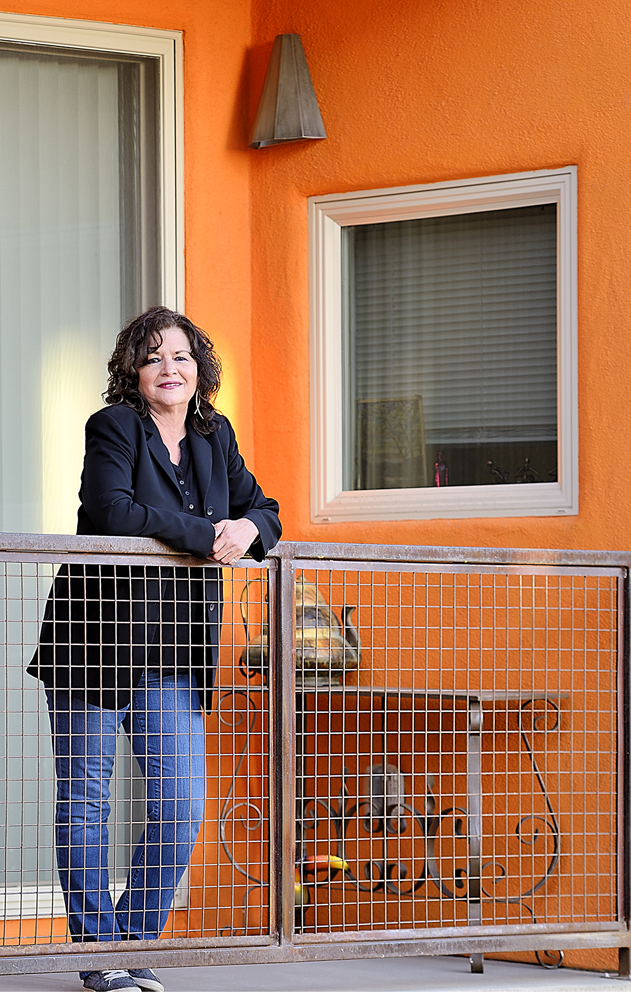
Client photos courtesy of Homewise, inc.

Mike Loftin HomewiseContrary to popular belief, owning is often more affordable than renting. Today, it is cheaper to buy a home than it is to rent in two-thirds of US counties, including New Mexico’s Santa Fe and Bernalillo Counties, home to high-cost Santa Fe and moderately priced Albuquerque, where Homewise, has helped more than 5,000 modest-income families become homeowners.

Nevertheless, some believe homeownership is reserved for people who achieve some level of financial success, that it’s not for people still on the path to financial security. This may explain why most federal, state, and local efforts to create more affordable housing narrowly focus on the rental market.

However, the data disprove this thinking. The typical homeowners spend 10 percentage points less of their income on housing than the typical renters.

This remains true when controlling for income. Among households with annual incomes of less than $50,000, renters spend an average of 34 percent of their income on housing, but owners spend only 24 percent. Similarly, for households earning less than $20,000 a year, homeowners spend 38 percent of their income and renters spend 48 percent.

The lower cost of owning also holds true when controlling for race and ethnicity. Though Black and Hispanic homeowners have higher housing expense ratios than white homeowners, they have lower housing expense ratios than all renters, including white renters. The median housing expense ratio for Black and Hispanic homeowners is 19 percent, and the typical white renter household spends 24 percent of its income on housing.

I’m not suggesting homeownership alone can solve the housing affordability crisis. But strategies focused only on rental housing can be shortsighted, especially when homeownership may be more cost-effective for all involved. Many rental programs, including housing choice vouchers, require the government to send monthly assistance to a landlord who is under no obligation to renew a tenant’s lease.

In comparison, homeownership can provide the kind of affordability and stability low-income families need. Here’s how.

Homewise client-2

The Average Monthly Mortgage Payment is Less Than the Average Monthly Rent

In November 2020, the Zillow Home Value Index estimated the median US home value was $263,351. If a homebuyer financed 100 percent of their home purchase, their monthly mortgage payment would be $1,464 (assuming a 30-year fixed-rate mortgage at a 3.5 percent interest rate, with taxes and insurance estimates from the 2019 American Housing Survey).

At that time, the Zillow Observed Rent Index found the median monthly rent was $1,734, meaning the average renter paid $270 more per month than the average homebuyer.

Mortgage Payments are Generally Stable, But Rents Tend to Rise

Increasing rents and home prices do not affect renters and owners the same way. Whereas renters are continuously vulnerable to cost increases, rising home prices do not affect current homeowners’ costs.

Over time, owning and renting produce starkly different economic outcomes. Homeownership’s major affordability benefit is that it stabilizes what is likely the household’s biggest monthly expense, assuming a buyer has a fixed-rate mortgage. The only potential changes in homeowners’ housing expenses are taxes and insurance. The principal and interest payment stays the same for the length of the loan.

The Cost of Owning as a Share of Income Almost Always Declines Over Time

In general, incomes, rents, and other expenses increase over time in relationship to the overall inflation rate, but not typically all at the same rate. If rents increase faster than wages, the renter’s housing expense ratio increases. If wage increases outpace rent inflation, the renter’s housing expense ratio decreases.

By comparison, if a homeowner’s wages increase at the same rate as inflation, their housing expense ratio decreases because only taxes and insurance are subject to inflation. The biggest part of their housing expense, the principal and interest, is constant. Even though the renter’s and the homeowner’s costs increase, the homeowner’s costs increase less. Annual increases in housing costs will almost always grow faster for renters than for homeowners.

Homeowners’ Housing Expenses Decline Over Time in Absolute Terms

Owning a home not only becomes more affordable relative to income, it also becomes more affordable in absolute terms. The homeowner’s real housing expenses decline over time because the principal portion of the mortgage payment is not really an expense. Instead, it builds the homeowner’s equity. And unless tax and insurance increases rise faster than the interest expense falls, the true housing expense decreases over time.

Homewise client-3Put another way, ownership capitalizes on the power of buying a home by converting a portion of what would otherwise be 100 percent consumer spending (renting) into a combination of consumer spending and investment. And it does so without additional resources. The home buying investment simply converts some portion of an existing expense (renting) into an investment in real estate.
Homeownership’s “Affordability Big Bang”

The final meaningful financial benefit of homeownership is what I call the “Affordability Big Bang.” After a homeowner makes their final mortgage payment, all that remain are tax and insurance costs. The owner’s housing expense drops precipitously, often just in time for retirement, when incomes also often decline.

Homeownership Can Be Affordable Housing

If the nation is committed to helping all Americans achieve affordable, stable housing, we must do more to help low-income families and families of color own their own housing. Affordable homeownership is not the capstone of economic well-being; it is the cornerstone. And increasing access to homeownership would also help close the racial wealth gap. If America is going to effectively address its affordable housing crunch, as well as its racial wealth gap, policymakers will need to prioritize increasing access to homeownership—access that will foster financial stability and mobility for millions of Americans.

This post originally appeared on Urban Wire, the blog of the Urban Institute


Article by Mike Loftin, who has served as the CEO of Homewise, Inc. since 1992. Homewise is an effective nonprofit social enterprise, promoting sustainable homeownership in a way that improves the long-term financial well-being of modest-income families. Loftin led the creation and implementation of Homewise’s comprehensive business model that seamlessly integrates all the steps of the home purchase process. Fiercely focused on the long-term success of every homeowner, Homewise sustains an over-30-day delinquency rate that is less than 2 percent, compared with the Federal Housing Administration’s rate of more than 9 percent. Homewise has become New Mexico’s sixth-biggest mortgage lender and covers all of its operating expenses from earned revenue. Loftin drafted and led the campaign to pass Santa Fe’s inclusionary zoning law, which has been used as the model for similar ordinances adopted by other municipalities.

Previous to his work at Homewise, Loftin was a community organizer in Chicago, and his achievements included founding the Resurrection Project, a preeminent Chicago community-development organization serving several Mexican-American neighborhoods; organizing an antidisplacement campaign in Chicago’s Uptown neighborhood during his tenure with the affordable housing organization Voice of the People; and leading the Metropolitan Tenants Organization in the passage of Chicago’s Tenant Bill of Rights.

Loftin currently serves on the board of Excellent Schools New Mexico, served on the board of the University of New Mexico Anderson School of Management Foundation, and was a governor-appointed board member of the New Mexico Mortgage Finance Authority. Loftin holds a Bachelors in History from Northwestern University.

Featured Articles, Impact Investing, Sustainable Business

GreenMoney Interview Series: Community Investors

Welcome to the GreenMoney Interviews series. This issue features two Women of Color who are emerging leaders in SRI and community investing:  Kimberly Jones of Self-Help Federal Credit Union interviews Nicole Middleton Holloway of Natural Investments.

Find their bios at the end of the interview.

Kimberly Jones opens: When I was approached to write this article, I knew immediately that I wanted to speak with Nicole, to get her take on the impact that community investing has on communities of color, particularly now in the aftermath of the country’s response to the pandemic and the civic unrest that has occurred over the past year and a half. We had a spirited and lively conversation about impact investing and her own personal journey within this sector. Let’s begin…


Self-Help Federal CU logoKJ:  Hi Nicole. Thank you so much for agreeing to do this and let’s just jump into it. From your perspective, as a wealth manager, what does community investing mean to you and why is it important?

Nicole Middleton Holloway:  Community investing is an investment in a targeted community based on impact and need. It is typically an investment that doesn’t have market rate rates of return, because the point of the investment is to uplift a certain community need. It can be for a variety of different areas, from funding entrepreneurs and micro enterprises and other small businesses to focusing on specific communities, like low income, BIPOC (Black, Indigenous and People of Color) communities. It can be focused on healthy food systems, affordable housing, or wherever there’s a need. The investment can be an investment note or a CD, which is something that we, at Natural Investments do quite often through places like Self Help Credit Union or Hope Credit Union.
And they are so important because of the need for community institutions or funds, who are trying to address real critical social needs or divestment in these communities, as well as the systemic barriers that these communities have experienced for decades. There’s so much wealth disparity and those individuals, families, and institutions that have wealth and the ability to accept and incorporate community investing into their overall portfolio can have real impact. And at certain levels, for some clients, this is their primary focus area.

I’ve personally seen the benefit of a community investment as an entrepreneur and woman of color business owner. The ability to grow my business and my practice came out of the support that I received as a result of these funds invested into CDFIs (Community Development Financial Institutions.) So this is very personal as I come from a community that had been disenfranchised. But I also get to see how it’s exciting for an investor to be more engaged with their wealth and see that engagement with a community instead of just investing in a regular mutual or index fund.

KJ:  Are your clients who do community investing basing it on their own values and interests or are you pushing them to explore ways to have an impact?

NMH:  I would say it’s both. From the beginning of a client relationship, there is definite interest from clients wanting to invest for impact. But they don’t always know what those opportunities are, so they come to advisors like me or my team, because we have the knowledge base of what’s possible. They also work with us because we assess their financial needs and know what is appropriate for their level of risk tolerance. I certainly have clients who are really passionate and very vocal about things, like coming to me and asking, “how do I implement a reparations-based investment portfolio?”

KJ:  Say more about that. The pandemic and the civic unrest after George Floyd’s murder highlighted inequalities that have historically taken place in communities of color around the country. What role does community investing play in addressing these issues?

NMH:  The impact investing community needs to be front and center in investing in solutions to solve the issues that came from the 2020 pandemic and the uprisings about police brutality.

We don’t want investors to respond like I’ve seen it done with philanthropy, where there’s this hot issue of the moment and then a couple years later the priorities or focus changes. So, I often remind investors about the intersectionality of issues when creating an impact investing portfolio — how they can address these issues as a whole or as a theory of change and to really look at their entire investment portfolio as a catalyst to address issues systemically.

KJ:  This is a good segue into my next question. We’ve recently seen a spate of investments primarily led by white high net worth individuals and institutions. However, they don’t appear to “walk the talk”, as it relates to incorporating DEI (Diversity, Equity, and Inclusion) into their policies, their fund managers, their advisors, etc. What are your thoughts about this and what should the industry be doing differently to be more inclusive?

NMH:  Yes, this is great. In terms of increasing the ranks, having more people of color and more women of color and BIPOC individuals in leadership positions is really key. The impact investing industry has a real problem in the fact that it doesn’t make itself well known in communities of color. For instance, they’re not showing up in places, like the HBCUs (Historically Black Colleges and Universities) or other organizations where people of color who are new to the finance industry can find out about the job opportunities or professional development that is available in this sector.

KJ:  Some may say that if the money is getting into the communities that need it, what difference does it make who is placing the money? In your opinion, why is DEI important for this sector?

NMH:  At Natural Investments, we do a lot of impact investing and we have structures in our due diligence process which are really helping to maintain a diversity of perspectives on investments or a due diligence committee evaluating a new fund. There are barriers that get overlooked or due diligence processes that need to be updated. So, we’re trying to analyze that and address that, but it really helps if you have people with different perspectives, different expertise, or different backgrounds to help someone assess things such as risk; as opposed to doing what they’ve always done.

KJ:  So what has been your experience as a Black woman in this sector? Has it helped or hindered you in any way?

NMH:  My experience in financial services in general, especially when I first started, was maybe not as positive and thank God, I found the SRI or community investing industry because otherwise I probably would not be doing this work anymore. The SRI industry tries really, really hard and I appreciate the efforts and the willingness to have conversations to examine the way things have been done. And yes, there is acknowledgement that the SRI industry has not done enough, right? I do get frustrated and as a woman of color, I want the industry to go further.

As for being supported as an advisor and my career within the industry, I’ve felt very much supported. The advisors that I work around, both within Natural Investments and outside our firm, are really, really, intentional about trying to support my work, learning, and development as a professional. I am glad that I decided to get a lot of education and get my CFP (Certified Financial Planner) certificate because they have helped me be more confident as a professional. It’s also just been great that other advisors are raising my visibility and acknowledge me in the industry. For example, I got nominated for the young advisors to watch list through Financial Advisor magazine. I think those things really can help to uplift women of color advisors or people of color professionals in this industry to be able to be in this for the long haul.

KJ: Well, I have one final question and that is; what do you see as the future of Community Investing? Or better yet; what impact would you like to see?

NMH: Hmm…What I would like to see is more of a real influx and even greater amounts of capital flowing into community investments and into community investing in general. I would very much like the greater financial services industry within its various types of advisor roles to be more knowledgeable about community investing, because, you know, right now still, we’re a small segment of the industry. We need to be bold and brave and more diverse. I especially want to see more women and women of color led-funds, as I think there’s a huge difference when there’s female leadership at these organizations.  And even though there are now more women led-funds in the community investing space then  before, there’s still work to do. So, I’m all for that…I want to see more of that!

This interview has been edited and condensed for clarity.


BIOGRAPHIES

Kimberly Jones, Manager, Investor Relations, Self Help Federal Credit Union. Kimberly Jones’s professional career spans both the nonprofit and community development financial services sectors, with expansive senior leadership roles in arts management; business and resource development; community relations; and corporate philanthropy. Currently, she is an Investor Relations Manager with Self-Help Federal Credit Union, where she helps individuals and institutions align their banking and investments with their mission and values, helping to maximize their social and financial returns. Kimberly has held leadership positions that advanced the missions of creative organizations and community development financial institutions seeking to make a difference in communities in their footprint. She has been a founding board member of mission-driven organizations that support the growth and development of young artists, creatives, and professionals in the nonprofit sector. In 2015, Kimberly was selected to be a PLACES Fellow with The Funders Network, where she explored the role of philanthropy through an equity lens in low to moderate income communities. She has served as a grant/award reviewer for organizations that championed organizational excellence, community development, and environmental sustainability. Kimberly has a BA in Political Science from the University of Minnesota-Morris and an MA in Arts, Entertainment, and Media Management from Columbia College Chicago.

Nicole Middleton HollowayCFP® Nicole is a Certified Financial Planner TM, co-founder and CEO of Strategy Squad, an independent, family-owned wealth management firm based in the San Francisco Bay Area and an SRI advisor with Natural Investments. Her personal mission is to support women and conscious investors as they take confident steps towards financial independence, and help them live abundantly and make a positive impact with their wealth. Nicole was recently named one of the Young Advisors To Watch in the May 2021 issue of Financial Advisor magazine. Nicole is a proud mother and an Oakland native. She holds a Master’s Degree in Financial Planning from Golden Gate University, and a Bachelor’s Degree from the University of Southern California. 

Featured Articles, Impact Investing, Sustainable Business

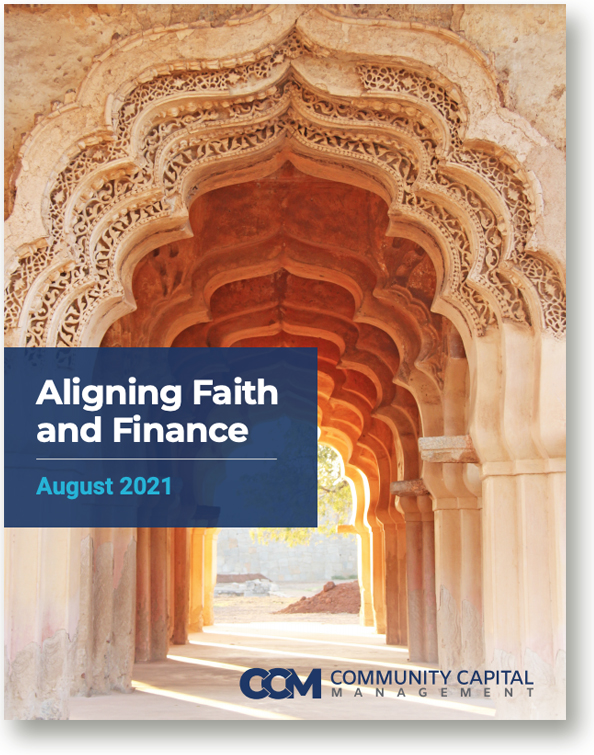
Community Capital Mgmt. Releases “Aligning Faith and Finance” Report

Aligning Faith and Finance-Aug.21-Community Capital MgmtCommunity Capital Management, LLC (CCM), a leading impact and environmental, social, and governance (ESG) investing manager, recently released a new report, “Aligning Faith and Finance”.
Faith-based investing has been around for a long time and comes in countless methods of implementation and interpretation. There is no right or wrong way to align faith and finance. Many faith-based investment strategies and products take different approaches to aligning faith from screening to advocacy to community investing.

Just as traditional investing looks at a range of factors such as risk tolerance, age, liquidity, and tax implications, faith-based investing is not a one size fits all approach. This report shares detail on aligning faith and finance, including highlights of its history, terminology, performance, religious guidelines, and finally, how faith and finance can be aligned at Community Capital Management.

The New 14-page Report Covers:

  • The history of aligning faith and finance
  • The many definitions of impact investing and faith-based investing
  • Faith-based investing in the 21st century

“The history of aligning faith and finance is vast and there are many examples of how different religions have implemented what we broadly call today impact investing,” said James Malone, chief financial and diversity officer at CCM. “Faith-based groups have long led the way in using the power of capital to bring about change.”

Jamie Horwitz, chief marketing officer at CCM, added: “We work with many religious clients and wanted to create a report that shares the vast history of this space and how faith-based clients are implementing these strategies today. We also wanted to include a section on what role CCM plays in faith-based investing and how our clients have the opportunity to align faith and finance in a positive and proactive way.”

The Report is available for download at no charge.


About Community Capital Management, LLC

Community Capital Management, LLC (CCM) is an investment adviser registered with the Securities and Exchange Commission. Headquartered in Fort Lauderdale with employees in Boston, Charlotte, the New York City area, and Southern California, CCM was founded in 1998 and manages over $3.5 billion in assets. The firm believes a fully integrated portfolio — one that includes environmental, social, and governance (ESG) factors — can deliver strong financial performance while simultaneously having positive long-term economic and sustainable impact. CCM’s strategies utilize an innovative approach to fixed income and equity investing by combining the positive outcomes of impact and ESG investing with rigorous financial analysis, an inherent focus on risk management, and transparent research. Within our fixed income portfolios, impact customization provides investors the opportunity to direct their capital to support specific geographies (also known as place-based impact investing), one or more of 18 impact themes, and impact initiatives.

Community Capital Management, LLC (CCM) is an investment adviser registered with the Securities and Exchange Commission under the Investment Advisers Act of 1940. Registration as an investment adviser does not imply a certain level of skill or training. The verbal and written communications of an investment adviser provide you with information you need to determine whether to hire or retain the adviser. Past performance is not indicative of future results. CCM has distinct investment processes and procedures relating to the management of investment portfolios for institutional clients. The firm’s strategies are customized, rather than model-based, and utilize an innovative approach to fixed income and equity by combining the positive outcomes of impact and environmental, social, and governance (ESG) investing with rigorous financial analysis, an inherent focus on risk management, and transparent research. Bonds are subject to interest rate risk and will decline in value as interest rates rise. Stocks will fluctuate in response to factors that may affect a single company, industry, sector, or the market as a whole and may perform worse than the market. A sustainable investment strategy that incorporates ESG criteria may result in lower or higher returns than an investment strategy that does not include such criteria. Any of the securities identified and described herein are for illustrative purposes only. Their selection was based upon nonperformance-based objective criteria, including, but not limited to, the security’s social and/or environmental attributes. It should not be assumed that the recommendations made in the future will be profitable or will equal the performance of the securities identified. Impact figures mentioned are approximate values.

Additional Articles, Impact Investing, Sustainable Business

50 Years of Sustainable Investing at Pax World

By Joseph Keefe, Impax Asset Management

The Pax Sustainable Allocation Fund turns 50

Joe Keefe - IMPAX Asset MgmtImpax Asset Management is celebrating the 50th birthday of the Pax Sustainable Allocation Fund (PAXIX), which launched in August 1971, marking the inception of the Pax World mutual fund family, which we are proud to manage. The Fund was the first publicly available mutual fund in the United States to use social and environmental as well as financial criteria in the investment process, and it helped give birth to the now burgeoning sustainable investment industry.

The fund’s founders, Luther Tyson and Jack Corbett, were United Methodist ministers who were opposed to the Vietnam War and wanted to avoid investing their churches’ assets in companies involved in the war, so the Pax World Fund (later renamed) excluded companies that manufactured such products as Agent Orange, napalm and other weapons. Soon after launching the Fund, Tyson and Corbett realized that if they could screen out weapons they could also screen out other things that they deemed inappropriate for church investments, so they added tobacco companies, polluters and (as earnest Methodists) alcohol and gambling to the list of excluded companies.

That was the origins of what is now called “sustainable” or “ESG” investing in the United States; it was more about what you didn’t invest in than what you did invest in.

Our investment philosophy has evolved since launching the Pax Sustainable Allocation Fund 50 years ago. While Pax World Funds still exclude companies involved in the manufacture or sale of weapons, as well as tobacco companies and fossil fuel companies, today our investment focus is squarely on the risks and opportunities arising from the transition to a more sustainable global economy.

We believe that capital markets will be shaped profoundly by global sustainability challenges, particularly climate change, environmental pollution, natural resource constraints and demographic and human capital issues such as diversity, inclusion and equality. Our view is that these trends will drive growth for well?positioned companies and create risks for those unable or unwilling to adapt.

We integrate environmental, social and governance (ESG) criteria into our investment portfolios based on the now firmly established premise that such factors can be material to how companies and investment portfolios behave, particularly when it comes to risk1. We seek to invest in companies that are better prepared for the transition to a more sustainable economy and better at managing risk, including ESG-related risk.

And we continue to evolve and innovate.

A few years back we launched the Pax Ellevate Global Women’s Leadership Fund (PXWIX), the first broadly diversified mutual fund that invests in the highest-rated companies in the world for advancing women. Our fastest-growing Fund, the Pax Global Environmental Markets Fund (PGINX), invests in companies offering resource efficiency and environmental solutions, where we see attractive growth opportunities in the critical decades ahead.

Earlier this year we sought to enhance the sustainability profiles of several of our funds to increase their exposure to powerful sustainability megatrends that we believe will only accelerate in the years to come. The Pax Global Sustainable Infrastructure Fund (PXDIX), for example, invests in companies that enable or increase access to vital physical resources such as clean energy, water, and food and agriculture, as well as vital societal resources such as healthcare, education, finance, transportation, and data and communications, all of which are expected to be critical investments as we transition to a more sustainable global economy.

Moreover, we believe that investing in companies that are better positioned for this transition is simply a smarter way to invest. Seven out of 11 Pax World Funds have four- or five-star overall Morningstar ratings for the period ending June 30, 2021, including the 50-year-old Pax Sustainable Allocation Fund (PAXIX), which has a four-star overall Morningstar rating (out of 659 50% to 70% Equity Funds based on risk-adjusted returns). Our Pax Large Cap Fund (PXLIX) ranks in the top 2% of 560 Lipper peers for risk-adjusted returns over the three years ending 7/31/2021.

Impact Asset Mgmt 2021 Engagement Report Cover

We recently published an engagement report showcasing the results of our global engagement activities over the past year. We held 300 meetings with companies and achieved some notable milestones, including persuading a Chinese water infrastructure and technology provider to be more aware of its physical risks emanating from climate change, and encouraging an energy efficiency company to embrace a more diverse workplace by welcoming two female directors to its board. The global pandemic and social unrest changed the way we engaged in 2020 and the report details those changes, as well.

Today there are nearly 400 sustainable mutual funds in the United States2. New options come to market virtually every day, and this growth shows no sign of letting up. An RBC Wealth Management survey of 1,000 clients conducted earlier this year revealed that 61% want to increase the amount of environmental, social and governance-focused holdings in their portfolios3. During the first quarter of 2021, inflows to sustainable funds reached $185 billion globally2.

It is gratifying to be part of the firm that helped spark an entire industry. The wave that we played such a critical role in launching some five decades ago continues to send ripples. There is much work to be done. We continue to have a sense of urgency about addressing global sustainability challenges and we continue to be vigilant stewards on behalf of our clients and shareholders. But there are also grounds to pause, reflect and celebrate as we mark the 50th anniversary of the Pax Sustainable Allocation Fund.


Article by Joe Keefe, President of Impax Asset Management LLC, the North American division of Impax Asset Management Group and investment adviser to Pax World Funds. Based in the Portsmouth office, he is responsible for US managed strategies, as well as distribution of Impax’s full capabilities across North America. 

Footnotes:
[1] Julie Gorte, “The Investment Case for Sustainability: The Rise of Resilience,” Impax Asset Management, July 29, 2020.
[2] Jon Hale, “U.S. Sustainable Funds Continued to Break Records in 2020,” Morningstar, Feb. 25, 2021.
[3] Jacqueline Sergeant, “Female Investors Expect Advisors To Be Informed About ESG,” Financial Advisor, April 8, 2021.


You should always consider Pax World Funds’ investment objectives, risks, and charges and expenses carefully before investing. For this and other important information, please download a fund prospectus. Please read it carefully before investing. IMPX-0625

Holdings are subject to change. Investments involve risk, including potential loss of principal.

Additional disclosures and information regarding this article are available here.

Additional Articles, Energy & Climate, Impact Investing, Sustainable Business

Signup to receive GreenMoney's monthly eJournal

Privacy Policy
Copyright © GreenMoney Journal 2025

Website design & development by BrandNature

Global Events Calendar

View All Events

april

21aprAll Day232026 Sustainable Packaging Coalition: SPC Impact – Nashville

27aprAll Day30Women Deliver 2026 Conference (WD2026) – Melbourne

X