Tag: Impact Investing

Making Gender Visible: A Path to Systemic Inclusion

By Geeta Aiyer, Boston Common Asset Management

Above: a human-generated image of a visible and invisible light spectrum

“Exclusion and harm on the basis of gender are so pervasive as to be invisible, normalized, and ignored.” 
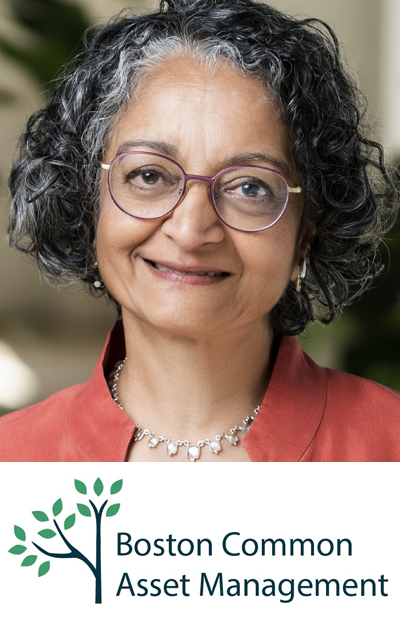
Geeta Aiyer Boston Common Asset MgmtThis was the opening sentence in my 2021 piece, “Making Gender Visible.” Three years later, gender-based inequity, violence, and harassment remain intransigently woven into commerce, economics, and social systems. As attempts to undo the progress of recent decades are mounting at the political level, many companies are changing course by either slowing or abandoning efforts designed to aid the transition to a more inclusive economy. The result is a persistent, enormous gender gap, with gender parity still 131 years away.[1]

Until now, gender has not received adequate priority and has been largely confined to a single data point under workplace diversity efforts. While workplace-focused efforts that call for advancements like enhanced disclosure and board diversity are vital to supporting the infrastructure necessary to evolve toward gender equality in corporate environments, lasting change will require more comprehensive gender prioritization across corporate value chains. 

Public equity investors have a unique opportunity to motivate companies to design for inclusion and create genuinely inclusive systems within their organizations and throughout their value chains. Determined to equip investors with the tools to activate their voice, my company, Boston Common Asset Management, developed Investor Guidance for Prioritizing Gender in 2022. The guidance supplies engaged investors with critical questions and essential tactics for motivating companies to adopt gender-specific approaches using an integrated, full value chain approach.

Underpinning this approach is the understanding that a corporate strategy that prioritizes inclusive gender governance can positively impact each aspect of a company’s value chain, as detailed below:

  • Workplace operations impact a company’s leaders and employees via gender representation, benefits, compensation, health, safety, and well-being.
  • Supply Chain practices impact business relationships between tier-1 suppliers and beyond.
  • The Product/Service Marketplace and its participants are directly and indirectly impacted by how and what a company designs, develops, and disseminates.
  • Communities are directly or indirectly impacted by a company’s business and/or community-focused activities.

Since gender-driven harms broadly impact industries worldwide, Boston Common is applying its Gender-Priority approach in industry-focused engagements, starting with those we identified as having the highest risk of gender bias – pharmaceuticals, apparel, technology, and finance. Our Inclusive Finance initiative, for example, focuses on representation, gender targets, and metrics. We inquire about the degree to which companies consult with marginalized communities and customers to inform their approaches to inclusive finance, responsible lending, and product design. My colleagues, Lauren Compere and Amy Orr, are two driving forces behind this work. Lauren recently contributed to an Oxfam report on gender inequity in the food system, yet another area where women and gender-diverse people face harmful inequities despite their significant and essential role throughout the food production value chain.

In a broad range of industries, responsible corporate decision-making can mitigate exploitative supply chains, harmful marketing practices, and unsafe workplaces, all unpriced externalities justified in the name of delivering strong returns to investors. These externalities are far from being “priced in” to a company’s financials, and yet, they relentlessly persist and indeed incur societal costs when left unchecked. One needn’t look further than the recent Coronavirus pandemic to see the persistence and societal costs of gender bias.

As investors who believe in the power of active ownership to advance social change, we acknowledge our opportunity to use our collective voice on behalf of individuals forced to navigate faulty, unjust systems. We must strive to understand the obstacles women encounter across the value chain by going beyond simply counting the number of women in the workplace. Instead, we must address and shed light on the many obstacles and exploitative systems found throughout corporate value chains, like the shortcomings of social audits, and the risk of Gender-Based Violence and Harassment (GBVH) faced by women farm workers, to name just two. We believe a full value chain approach is required to systematically dismantle gender bias and motivate companies to consider gender as a critical factor in decision-making in workforce diversity efforts, supply chain partnerships, product development, marketing, and community interactions. We will continue our work toward this goal and share the outcomes of our ongoing company dialogues with you in the months ahead. 


Article by Geeta Aiyer, CFA, President & Founder, Boston Common Asset Management and Lead Portfolio Manager, Sustainable US Value. Geeta combines over 30 years of experience in finance with a passion for environmental and social justice. Under her leadership, Boston Common Asset Management has built a strong investment record and meaningfully improved the policies and practices of portfolio companies through impactful, proactive shareholder engagement. Geeta was an early innovator in environmental, social, and governance (ESG) investing and remains an influential leader today. She is the lead Portfolio Manager for Boston Common’s US Large-Cap Value Strategy.

Geeta was recently named to TIME Magazine’s inaugural TIME100 Climate list, recognizing the most innovative leaders driving business climate action. Among other awards, she was honored by Investment News as an Innovator and recognized at the CERES conference for Building Sustainability into capital markets. For her diversity advocacy, she was named one of Boston Business Journal’s Power 50 Movement Makers in 2021. In 2022, Geeta was honored with TiE Boston’s Lifetime Achievement Award, which celebrates entrepreneurs who have pushed the boundaries of what is possible. Earlier that year, she received an honorary degree from Regis College (Weston, MA), and GreenBiz named her one of 25 “badass women shaping climate action.” Before founding Boston Common, Geeta was President of Walden Asset Management and worked at US Trust Company (Boston) and Cambridge Associates.

Geeta serves on the Boards of the Natural Resources Defense Council, Inc. (NRDC) and the Interfaith Center for Corporate Responsibility (ICCR). She is co-founder and board chair of DAWN Worldwide, an NGO addressing gender-based violence. Previously, Geeta served on the boards of

the Sierra Club Foundation and YW Boston. From 2015-2017, she was on the Board of UN PRI, becoming the first US asset manager elected to serve. Geeta earned her MBA from Harvard Business School and her MA and BA (Hons) from Delhi University, India.

Footnote: [1] https://www.weforum.org/publications/global-gender-gap-report-2023/infographics-66115127a8/ 

Featured Articles, Impact Investing, Sustainable Business

Opportunity for Women in the Clean Energy Transition

By Maria Lettini, US SIF: The Sustainable Investment Forum

Above infographic source: EFI Foundation, “EFI analysis projects Inflation Reduction Act impacts”

Maria Lettini US SIF

As we celebrate Women’s History Month, it is again a time of reflection. We delight in the pockets of progress over the years but reiterate that there is certainly no room for complacency. The World Bank estimated that there are still almost 2.4 billion women who are without equal economic opportunity and more than 178 countries that still maintain legal barriers to prevent the full economic participation of women.[1]

Closer to my home, in the United States, numbers feel more optimistic. American women contribute more than $7 trillion to US gross domestic product each year.[2] In addition, they control $10 trillion in assets, a number that is expected to grow to $30 trillion – an amount roughly equivalent to U.S. gross domestic product – over the next decade.[3] And, by 2028, estimates suggest women will be responsible for 75% of discretionary spending.[4]

When it comes to climate change, women are still disproportionately affected; however, given their growing economic importance, women have a really significant role to play in the rapid and just transition to a low carbon economy. At COP28, the nexus of gender and climate change was a clear focus. Vice President Harris reinforced the US government’s commitments to the Women in the Sustainable Economy (WISE) Initiative which, through public-private partnerships, gives women around the world access to capital and financing that supports climate resilience and women’s leadership on climate issues.[5]

To meet net zero by 2050, the U.S. must transition swiftly. It’s an incredible challenge that requires the alignment of energy demand and production, diverse infrastructure components, supply chains across sectors, capital formation, public opinion, and more. Women’s influence is increasingly converging to the center as women become empowered to contribute to and benefit from the transition. At the US Sustainable Investment Forum (SIF), our research finds that climate is a top criterion for both institutional investors and money managers, and that diversity, equity and inclusion (DEI) issues are among our members’ top five investment themes and engagement priorities. This important climate-DEI intersection creates a potential wealth of opportunities for investors.

Many of these opportunities may be found in projects funded through the Inflation Reduction Act (IRA) and the Infrastructure Investment and Jobs Act (IIJA), which work in tandem to incentivize private capital to move the equitable transition forward, accelerating the development and deployment of clean energy technology. Goldman Sachs research estimates that the IRA’s impact could encourage $11 trillion of total infrastructure investment by 2050,[6] and BlueGreen Alliance research estimates that more than nine million jobs will be created over the next decade, across technologies, as the U.S. builds more resilient infrastructure, including grids, buildings and transport, with a focus on conserving and maintaining access to clean air, water, soil and more.[7]  These industries and impacts have the potential to benefit women, as well as communities that have been disproportionally affected by climate change and the transition away from fossil fuels.

Incentivization of new projects is expected to stimulate necessary capital expenditures. For example, the IRA made it possible for governments, non-profits and other entities to take advantage of clean energy tax credits. This could translate into further public financing benefits for local communities. Historically, municipal bonds have comprised about 70% of state and local infrastructure financing, and state and local municipal bond sales are expected to reach about $400 billion in 2024.[8] Grants, tax credits and other incentives and financing have the potential to transform communities and industries as our climate and energy resilience emerges.

US SIF Forum June 24-26 Chicago

Women are essential to the transformation, resilience and impact our world requires. Yet, there is still work to be done in the global job market. We know that increased representation of women in government, and a higher share of women in corporate leadership roles, lead to more stringent climate policies and lower carbon emissions.[9] In addition, workforce and leadership diversity has been found to foster innovation and creative solutions,[10] and lead to superior investment returns.[11] As a result, diversity in the workplace can help address existential climate challenges and deliver the market returns we need to finance the climate transition.

So, what’s the problem?

While women hold more C-suite positions than they have in the past, they remain under-represented in leadership and decision-making positions across sectors and industries,[12] and in government.[13] This is true globally, and it is also front-and-center in the United States. Last year, the U.S. workforce participation rate for women in their prime working years reached an all-time high.[14] However, there are notable gender gaps in various industries. For example:

The Energy Sector – While women comprise almost 50% of the U.S. workforce, just 25% of workers in the energy sector and 32% of those in the renewable energy sector are female. In addition, women are under-represented on the boards of the world’s 200 largest utilities, holding 25 seats representing 16% of board members.[15] In contrast, women hold 32% of board positions in S&P 500 companies.[16] Even in the dynamic area of start-ups, only about 11% of energy sector founders are women, compared with 20% across all sectors.[17]

The Financial Industry – In North America, women hold about one-fifth of senior finance services leadership roles, according to Deloitte, and that figure may fall as the number of women who are in position to be tapped for the next generation of leadership is expected to decline in coming years.[18] A bright spot is found in private equity and venture capital. PE and VC firms with women co-owners are more likely to engage in and allocate a greater proportion of their portfolios to impact investments.[19] It’s notable that just 34% of women in private equity firms hold investing positions.[20]

The clean energy transition is gaining momentum, and gender equity is a critical aspect of its progress. Women are both disproportionately affected by negative aspects of climate change, and key contributors to positive change through their leadership in government and business. While women are recognized changemakers, gender equality has yet to be realized. We are at an exciting juncture of history where woman can be empowered to make a difference across all levels of the transition value chain. Governments, businesses, and investors can have a significant effect on climate and gender, while supporting strong economic growth and pursuing attractive market returns.

We will explore this topic in more detail at the upcoming US SIF Forum 2024 from June 24-26 in Chicago, IL. Early bird pricing is available until Mar. 15, 2024.


Article by Maria Lettini is the Chief Executive Officer of US SIF: The Sustainable Investment Forum. She joined US SIF in May of 2023 and is an innovative leader within the fields of sustainability and finance.  She is recognized for building meaningful partnerships across the capital markets value chain to address some of the world’s most critical, and financially material, environmental and social challenges.


Footnotes:

[1] https://www.worldbank.org/en/news/press-release/2022/03/01/nearly-2-4-billion-women-globally-don-t-have-same-economic-rights-as-men

[2] https://www.americanprogress.org/article/a-day-in-the-u-s-economy-without-women/

[3] https://www.weforum.org/agenda/2023/05/unlocking-trillion-dollar-female-economy/

[4] https://www.nielsen.com/insights/2020/wise-up-to-women/

[5] https://www.whitehouse.gov/briefing-room/statements-releases/2023/11/16/fact-sheet-vice-president-harris-launches-women-in-the-sustainable-economy-initiative-totaling-over-900-million-in-commitments/

[6] https://www.goldmansachs.com/intelligence/pages/the-us-is-poised-for-an-energy-revolution.html#

[7] https://www.bluegreenalliance.org/site/9-million-good-jobs-from-climate-action-the-inflation-reduction-act/

[8] https://www.smartcitiesdive.com/news/2024-municipal-bonds-outlook-crucial-financing-tool-cities/704313/

[9] https://www.oliverwymanforum.com/climate-sustainability/2023/jan/applying-a-gender-lens-to-climate-investing.html

[10] https://online.uncp.edu/degrees/business/mba/general/diversity-and-inclusion-good-for-business/#

[11] https://www.mckinsey.com/featured-insights/diversity-and-inclusion/diversity-wins-how-inclusion-matters

[12] https://www.mckinsey.com/featured-insights/diversity-and-inclusion/women-in-the-workplace

[13] https://www.unwomen.org/en/what-we-do/leadership-and-political-participation/facts-and-figures

[14] https://www.brookings.edu/articles/prime-age-women-labor-market-recovery/#:~:text

[15]  https://www.americanprogress.org/article/uplifting-women-in-the-clean-energy-economy/

[16] https://www.prnewswire.com/news-releases/us-corporate-boards-are-more-diverse-than-ever-but-the-pace-of-growth-is-slowing-301984556.html

[17] https://www.iea.org/commentaries/gender-diversity-in-energy-what-we-know-and-what-we-dont-know

[18] https://www2.deloitte.com/us/en/insights/industry/financial-services/women-leaders-financial-services.html

[19] https://papers.ssrn.com/sol3/papers.cfm?abstract_id=4425799

[20] https://www.axios.com/2022/11/01/private-equity-women-investing-jobs

Featured Articles, Impact Investing, Sustainable Business

Calvert Impact Releases Financial Advisor Guide to Impact Investing

By Calvert Impact,

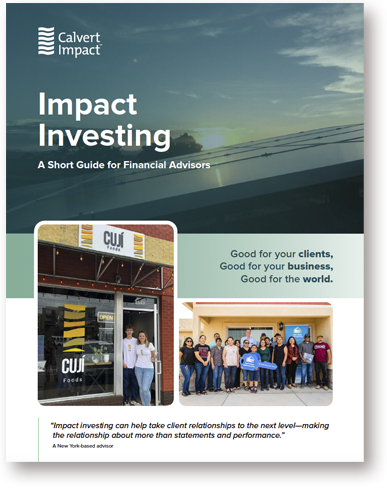
Calvert Impact Investing Short GuideCalvert Impact has released “Impact Investing: A Short Guide for Financial Advisors” to help advisors understand the important opportunity impact investing represents for their clients and their practice. 

While the impact investing market has more than doubled to over $1 trillion in recent years according to the Global Impact Investing Network, and demand from both individual and institutional investors is growing, the guide aims to address that many financial advisors have not incorporated impact investment options into their conversations or practice.

The Guide focuses on impact investments that intend to create positive, measurable social and environmental impact alongside financial returns. Investors have a range of options based on the geographic and impact sectors they care about – from affordable housing and community development in the U.S., to supporting job creation and environmental solutions in low-income communities around the world. 

These all represent an opportunity for advisors to talk with their clients about what really matters to them and the world they want to see, and then discuss some options that could be more meaningful to client portfolios and relationships.

“We consistently hear from investors that their financial advisors aren’t helping or talking with them about impact investing,” said Anna Mabrey, Director of Investor Relations at Calvert Impact. “We also hear from advisors that they just aren’t aware of the impact opportunities they have access to at their firms or how to have the conversation with clients. We want to help bridge this gap so that advisors can deepen client relationships and advance their practice.”

While most impact investments are in private markets, there are more public options accessible to investors of all types and almost all financial firms. There are also important performance and risk considerations, both financial and impact, that advisors can really help their clients with.

The guide is also accompanied by interactive webinar trainings to provide more direct and tailored support to advisors on their impact investing journeys with clients. This includes helping advisors navigate the impact investing options and resources at their specific firms, which often aren’t well known or publicized internally.

Patricia Redsicker, Calvert Impact’s Senior Officer of Investor Relations, added “It is exciting to see advisory firms develop significant impact investing expertise and platforms, but the majority of advisors and their clients are just beginning to explore this area, and we hope to make it easier for them to understand how to get started.”

Financial advisors can access the Guide here.  Or email us at info@calvertimpact.org

Read Calvert Impact’s most recent article for GreenMoney: The Key to a Net-Zero Future is Lower Carbon Buildings Today by Beau Engman of PACE Equity and Lucas Pappas of Calvert Impact.


About Calvert Impact

Calvert Impact is a global nonprofit investment firm that helps investors and financial professionals invest in solutions that people and the planet need. During its 28-year history, Calvert Impact has mobilized approximately $5 billion to build and grow local community and green finance organizations through its flagship Community Investment Note™ and other products and services. 

Calvert Impact recently launched the Cut Carbon Note, a product that aims to reduce carbon emissions and transform the way we build. Calvert Impact uses its unique position to bring the capital markets and communities closer together. More at calvertimpact.org.

Calvert Impact Capital, Inc., a 501(c)(3) nonprofit and a subsidiary of Calvert Impact, Inc., offers the Community Investment Note. Calvert Impact Climate, Inc., a 501(c)(3) nonprofit and a subsidiary of Calvert Impact, Inc., offers the Cut Carbon Note. 

The Community Investment Note and Cut Carbon Note are subject to certain risks, are not a mutual funds, are not FDIC or SIPC insured, and should not be confused with any Calvert Research and Management-sponsored investment product. Any decision to invest in these securities through this Site should only be made after reading the applicable prospectus or by calling 800-248-0337.

Additional Articles, Impact Investing, Sustainable Business

What Could Shape Sustainability and Climate Investing in 2024?

By Meggin Thwing Eastman and Laura Nishikawa, MSCI

Key Findings 

  • Unprecedented climate disasters and increasingly severe weather are becoming the norm. As the economic effects ripple outward with social and structural consequences yet to be fully understood, adaptation will be key. 
  • Generative-AI models have grabbed the lever of technological change, but they will also have an impact on consumers’ personal data. In response, policymakers have begun moving to protect their citizens’ privacy rights. 
  • Nature is irrevocably interlinked with climate and investments in funds or projects that generate carbon credits for the voluntary carbon market can generate returns for nature as well as climate. 

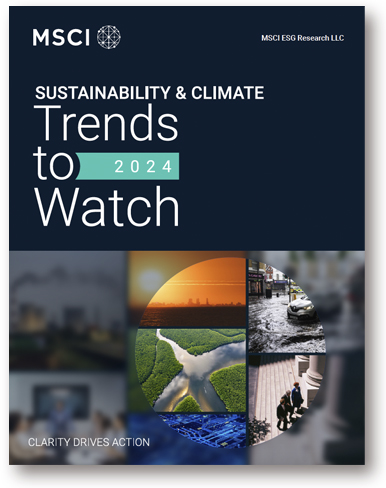
MSCI Sustainability and Climate Trends 2024In MSCI’s Sustainability and Climate Trends to Watch 2024 we explore the key themes that could shape the world of ESG investing this year and beyond. Our report brings together the key questions that our global research team is asking and offers thoughtful analyses and useful insights to help navigate the investment landscape that lies ahead.

In this blog post, we touch on three of the eight trends that we have identified. From how changing weather patterns are affecting workers through to how companies are approaching the regulatory and compliance aspects of AI. We also look at the role that the voluntary carbon market will play when it comes to investments in nature.

1. The impact of extreme weather on the workplace

The extraordinary heat waves of recent summers have sparked complaints and threats of industrial action from workers at firms such as UPS and Amazon as they struggled to cope with the global rise in temperatures.[1] Rising levels of heat and humidity make work more difficult and hold back productivity, even without disruption caused by walkouts. There are questions here for policymakers, companies and workers themselves. For investors, the closest signposts are: Which companies are boosting the climate resilience of their workplaces, and where are the literal hotspots where frayed labor relations pose a threat to operations?

Higher wet-bulb globe temperatures (WBGTs) — a measure that combines both heat and humidity — can severely impact human health and functioning. The danger of higher WBGTs has long been understood for outdoor industries that require physical activity and cannot be temperature-controlled. But as WBGTs rise, the impact and risks are spreading indoors. We assessed different economic activities on their physical-exertion requirements and corresponding prevalence of air conditioning, looking at the potential impact on revenues from lower worker productivity. The results helped explain why logistics firms, in particular, have become vulnerable. Following this logic, manufacturing and mining companies could be next.

By 2050, if CO2 emissions have risen sharply,[2] the average logistics-warehouse worker in New York City could lose almost 50% more productivity to heat than they did in 2020. And that only counts productivity lost while at work — not the additional losses that could come from labor disputes or increased worker absences due to heat-related illnesses.

This analysis opens a new frontier in our understanding of the risks in managing the workforce of the future. Traditionally, measures such as revenue per employee, workforce size, geographical location or a history of unrest have been used to understand challenges in maximizing productivity. These measures still provide important insight and would have pointed to postal and courier services as the highest-risk area within logistics as a whole. But as we look to a hotter future, new measures of risk — and new ways of managing it — will be critical.

2. Managing the effects of AI on data privacy

Generative-AI models and applications are opening up new ways in which consumers’ personal data can be used. Trained on massive datasets, generative-AI applications like search or personal assistance tools may harvest behavior data without clear consent,[3] for example, and then use it to further train models,[4] while image-rendering apps may collect users’ biometric data without stating any purposes other than completing the service. Policymakers have begun moving to protect their citizens’ privacy rights in response.

The EU’s General Data Protection Regulation has centered around user rights, consent and secondary purposes, as well as a “privacy-by-design” principle in product development.[5] But that’s evolving. Cautionary voices from the AI developers’ community have recommended self-governing guidelines covering privacy and the ethical development of AI products.[6] And the EU’s proposed AI Act includes a comprehensive governance framework for AI systems, from ethical product development to extending best practices for data privacy.[7]

To get a sense of how ready companies are for the evolving AI regulatory landscape, we looked at three indicators as a proxy for the ability to protect consumer data from misuse or exploitation. Our analysis suggests that technology companies involved in the development of both AI foundation models and applications may need to integrate more-effective guardrails, while those developing AI-driven applications for consumer use may need to expand their privacy provisions to ensure safe deployment.

3. Investing in nature via the voluntary carbon market

Investments in nature have gained traction in recent years and they are now a central capital flow in the voluntary carbon market. However, projects that generate carbon credits for this market have come under increasing scrutiny. These criticisms are often directed at older projects created under outdated standards or more relaxed approaches to verification. As new pledges mount in 2024 and beyond, investors looking for high-quality carbon credits will face the challenge of differentiating those projects that have integrity from those that do not.

As of June 2023, there were over 850 registered (active) nature-based projects in the voluntary carbon market, focusing on the protection and enhancement of natural carbon stocks in forests, farmlands and coastal ecosystems. Another 2,100 projects were already in development, creating a combined project area the equivalent size of Colombia.[8]

From 2012 to 2022, a total of USD 16 billion was invested in nature-based projects, and we project a further investment of USD 9 billion by 2025 in projects currently in development. The rate of investments has increased steadily, and by 2022 reached two and a half times the total primary market value of USD 1.5 billion, indicative of an industry planning for significant growth.[9] New capital raises and announcements cover an additional USD 20 billion up to 2030. Most of these new commitments have come from asset owners or other institutional investors (42%), corporate investors (29%) and fund managers (17%).

But investors looking for high-quality carbon credits need to be able to identify the right projects. Projects with high integrity have a positive impact for climate and nature, support a positive reputation for investors and buyers and produce high-quality carbon credits. We consider four elements of integrity as key for all nature-based projects: additionality, quantification, permanence and “co-benefits” (positive impacts beyond carbon).

A project is considered additional if there is evidence that it would not have been viable without the revenue from carbon credits. This ensures that the project supports the trajectory toward net-zero emissions by 2050. Carbon credits must accurately represent one tonne of CO2e removed or reduced; accurate quantification of a project’s emissions impact is complex but crucial for reducing the risk of over-crediting. The resulting carbon credits should also have low “permanence risk,” by which we mean that the protection and enhancement of the natural carbon stocks will not easily be reversed. Additionally, nature-based projects can often deliver multiple co-benefits to match investor preferences, such as local community support or biodiversity conservation.

In 2024, the importance of investments in nature will only increase. The landscape of opportunities and risks is complex, however, and investors will need to carefully investigate which projects are indeed credible in maximizing climate and nature returns.

A Changing Landscape for Sustainable Investing

MSCI’s Sustainability and Climate Trends to Watch 2024 highlights these and other pivotal themes shaping ESG investing. Addressing three of the identified trends, extreme weather’s impact on workplaces underscores the urgent need for innovative workforce management strategies in the face of rising temperatures, especially for industries like logistics and manufacturing. Managing the effects of AI on data privacy emphasizes evolving regulatory landscapes, urging companies to enhance privacy provisions. Investing in nature through the voluntary carbon market is a growing industry, but scrutiny is essential to differentiate high-integrity projects. As we enter 2024, navigating these trends will require a nuanced understanding of evolving risks and opportunities in sustainable investing. 


Article by Meggin Thwing Eastman and Laura Nishikawa, MSCI

Additional Articles, Energy & Climate, Food & Farming, Impact Investing, Sustainable Business

A Matter of Faith: Faith-based investing is a key chapter in the sustainable investing story

By Leslie Norton and Ruth Saldanha, Morningstar


The Orlando World Center Marriott isn’t a natural home to a burgeoning investing movement. Canned music plays in the elevators, and vacationers amble through the lobby en route to Epcot. But behind a closed ballroom door a few feet away, all eyes are on the band. The vibe is a prayer meeting/concert. And the attendants—more than 2,000 of them—are swaying to the music, many with palms held aloft and eyes closed in ecstasy. These are the faithful, led by the disciple Timothy’s instructions to “be rich in good works, to be generous and ready to share.” Most attendees are financial advisors, as content in the realm of the secular as the divine.

Welcome to the annual conference of Kingdom Advisors, a rapidly expanding association of advisors that aims “to carry biblical financial wisdom to their clients, peers, and community.” Today’s rocky markets pose a challenge for advisors. Many Kingdom advisors hope that a new kind of conversion—the conversion of conventional portfolios to so-called biblically managed portfolios—will help them retain clients and bring in new ones.

Nobody knows exactly how large the faith-based investment market is after factoring in the assets of individuals and institutions. Most of the information isn’t public. But in a recent report, Morningstar quantitative analysts Manan Agarwal and Sabeeh Ashhar sized up a significant portion of the faith-based market: Christian and Islamic exchange-traded and mutual funds.

Although a small slice of the overall fund universe, faith-based funds are growing in number, and more investors are choosing to invest with their values as well as for returns.

Evolution of Values-Based Investing

Following religious and ethical guidelines in investing has probably been around as long as investing itself. The Quakers notably spoke out against profiting from the slave trade, and in 1760, John Wesley, founder of the Methodist movement in the Church of England, said members “ought not to gain money at the expense of life or by losing our souls.”

Flash forward to the 20th century: Another milestone came in 1971 when the Episcopal Church filed a shareholder resolution urging General Motors GM to stop manufacturing in apartheid South Africa. Catholics and other churches joined the movement, forming the Interfaith Center for Corporate Responsibility. Today, the ICCR includes more than 300 global institutional investors overseeing more than $4 trillion in managed assets. They include the Unitarian Universalist Association, the Presbyterian Church, the Sisters of St. Francis, and the Rabbis and Cantors Retirement Plan, as well as fund providers such as Everence Financial, sponsor of Praxis Mutual Funds, which has $2.5 billion in assets and has its roots in the Mennonite Church, and Wespath Investment Management, which provides funds that are informed by the values of the United Methodist Church.

The ICCR’s anti-apartheid push galvanized socially responsible investing. Tim Smith, senior policy advisor to the ICCR, says that “religious investors played that key catalytic role.” Socially responsible funds prioritize positive social change by considering both financial returns and moral values in investment decision-making. That has evolved into the modern sustainable investing movement, which relies heavily on environmental, social, and governance research. An ESG-based fund uses such data as part of its fiduciary duty to consider the material risks to its investment returns, such as climate risk and diversity risk.

Agarwal and Ashhar say faith-based investing is a version of socially responsible investing. Although it shares some of sustainable investing’s traits and uses ESG information, a faith-based fund has a dual mandate: In addition to its fiduciary duty, the fund also reflects the values held by a religious community.

“ESG doesn’t have a moral compass; it’s not necessarily mission-aligned, and it’s not impactful,” says Sonia Kowal, president of Zevin Asset Management, a sustainable-investment specialist that also oversees accounts for faith-based investors. “It’s just information that analysts can use.”

To some conservative religious investors, however, the term ESG has become anathema since influential Republicans demonized it while rallying behind the “anti-woke” flag in 2022. Inspire Advisors, which runs “biblically responsible” ETFs with tickers like BIBL, GLRY, and WWJD (for “What Would Jesus Do?”), originally added ESG to the names of its funds that didn’t already include it, then just months later removed the term from all its products in August 2022. Why the pivot? “ESG has become weaponized by liberal activists to push forward their harmful, social Marxist agenda,” CEO Robert Netzly said at the time. For good measure, Netzly compared ESG to CRT, or critical race theory, “as acronyms worth fighting against.”

Whether its adherents want to use the term or not, however, faith-based investing falls under the same umbrella as ESG.

Potential for Growth

There’s reason to believe faith-based investing will grow more popular. Customized investing is a growing area of wealth management, and faith is just one more way investors can include their preferences in the process.

Jean Case, the founder of FWIW (For What It’s Worth), a financial news and education site aimed at Generation Z, and head of the Case Foundation, says that one of the most widely searched terms on the site is, “What is faith-based investing?”

Says Mark Regier, vice president of stewardship investing for Praxis Mutual Funds and its parent Everence, “I can’t imagine talking about being values-driven and not wanting to know where the money is going.”

Some believe it’s a religious duty to invest. “We all believe in tithing and know we should give at least 10% to our church,” says David Spika, president of GuideStone Funds, which serves a Baptist clientele. “We should also be using our assets to influence the kingdom or to impact companies.”

In theory, the potential market is huge, considering the enormous moral authority exerted by religious institutions. The world’s population is around 8 billion. According to the Pew Research Center, Christians accounted for 31.4% of the global population in 2010 and Muslims for 23.2%. But relative to the investable universe, assets in faith-based ETFs and mutual funds are still a drop in the bucket.

In their report, Agarwal and Ashhar tried to measure the Christian and Shariah fund market. (Shariah is Islamic canonical law.) They counted 850 faith-based funds and ETFs globally, with combined assets of just over $100 billion. (Vanguard 500 Index VFINX by itself has assets of $323 billion across its share classes.) Almost 85% of faith-based funds are Shariah-compliant, but they account for only $45 billion of the asset base.

Christian funds make up the rest. Roughly 95% of Christian-values funds are based in the United States, whereas 60% of Shariah funds are domiciled in Malaysia, Indonesia, and Saudi Arabia. That said, the largest faith-based offering is a U.S.-based Shariah fund: Amana Growth AMAGX, which has $3.9 billion in assets.

Investors in these funds need not necessarily sacrifice performance. The 15 largest funds have solid records overall. Most of them have the three-year record required to calculate a Morningstar Rating, which indicates a fund’s risk/reward profile within its Morningstar Category. Almost all of the ratings were 3-stars or higher as of the end of September.

While the total assets in these funds are still relatively small, asset managers clearly anticipate a growing market. From 2019 to 2021, there was a surge in the number of new faith-based products being launched. The recent proliferation can be attributed to a combination of factors, including the rising demand for ethical and ESG investments, increased cultural and social awareness, and a growing desire to align financial decisions with personal values and beliefs, Agarwal and Ashhar say.


Read the complete version of this Morningstar magazine article, written by Leslie Norton and Ruth Saldanha of Morningstar, which includes some interesting charts and graphs.

Additional Articles, Impact Investing

Working to Ensure Justice for Workers

By Matthew Illian and Katie Carter, United Church Funds and Presbyterian Church U.S.A.

Above: One Fair Wage demonstration in NYC, courtesy of One Fair Wage

Matthew Illian and Katie Carter - Working to ensure Justice for WorkersFaith-based investors have a long history of corporate engagements seeking to advance rights for workers both here in the U.S. and in global supply chains. For decades, ongoing engagements led by faith-based investors with companies in at-risk sectors including apparel and footwear, food and agriculture, and electronics have centered on the risks of human trafficking and forced labor, the importance of paying a living wage, and the need to respect unionization efforts. Many of these engagements, begun in the 1980s, continue to this day led by investors representing multiple faith traditions.

Out-of-Sight Workers are too Often Out-of-Mind

The prevailing global purchasing practices model is built upon a power imbalance between global brands and retailers on the one hand, and suppliers and workers on the other, a disparity highlighted during the COVID-19 pandemic when apparel brands unilaterally, and for the most part legally, canceled over $3 billion in orders, instantly jeopardizing millions of garment workers’ jobs. Major retailers such as Amazon, Walmart, and others, source products from all over the world with the lowest price and speed of delivery often outweighing all other considerations in contract negotiations. This outdated model puts workers, especially those at the bottom of the supply chain, at great risk. It is critical that brands have full visibility into their supplier’s treatment of their workers beginning at the time of recruitment when human trafficking and debt labor risks are heightened, and support suppliers in preventing human rights abuses. We press companies to conduct comprehensive human rights due diligence, in line with the UN Guiding Principles for Business and Human Rights, and to adopt risk prevention, mitigation, and remediation practices to safeguard workers. Faith-based and other investors have filed numerous shareholder proposals requesting human rights impact assessments and supplier due diligence measures to ensure workers’ rights are protected. Integrating responsible contracting principles into buyer and supplier contracts can transform supply chains by requiring shared responsibility for human rights into contract language.

Another game-changer is the advent of Worker-Driven Social Responsibility (WSR) programs that include legally binding agreements between workers and companies. Successful examples of the WSR model include the Bangladesh Accord, created in the wake of the tragic collapse of the Rana Plaza apparel factory in 2013, as well as the Coalition for Immokalee Workers’ Fair Food Program led by farmworkers in protest of inhumane working conditions and poverty wages in Florida’s agricultural sector. Faith investors were early and constant supporters of these models because they empower workers and their communities to participate in the creation of a safe and dignified workplace.

Regulations banning the importation of goods made with forced labor are also a key ingredient in combatting severe human and labor rights abuses in global supply chains. Investors have voiced support for several laws and regulatory actions seeking to eradicate the specter of forced labor from supply chains including the California Supply Chain Transparency Act, the UK Modern Slavery Act and, more recently, the Uyghur Forced Labor Prevention Act. Enforcement of the U.S. prohibition on the import of goods made with forced labor under the 1930 Tariff Act should also increase the pressure on companies that import into the U.S. to understand and mitigate their supply chain risks.

Not in my Backyard? Think Again

While it is perhaps easier to think of worker rights violations as only occurring in far-flung countries with weak rule of law, the hard truth is that workers are exploited right here in the U.S. every day. Through shareholder resolutions and dialogues, faith-based investors and their allies are calling on companies to adopt and meaningfully implement policies and practices that support workers’ right to a living wage, paid sick leave, freedom of association, and workplace health and safety.

Multiple international treaties and frameworks recognize the concept of a living wage as a human right but in the United States, the federal minimum wage has remained stagnant at $7.25 an hour since 2009. Workers in traditionally low-wage retail, restaurant, hospitality, and gig sectors are most likely to earn below the living wage and are forced to work multiple jobs to make ends meet. Corporations have long said that their employees are their most important asset yet too often their actions belie these statements. Businesses that fail to proactively address compensation issues not only risk worker strikes but also miss the opportunity to cultivate a positive employment culture, a key bellwether of success in the modern marketplace. Engagements seeking the adoption of a living wage are being held at multiple companies across several low-wage sectors.

Nearly 28 million people working in the private sector in the U.S. have no access to earned sick time, or “paid sick leave” for short-term health needs and preventive care. These workers face an impossible choice when they are sick: to stay home and risk financial instability or go to work and risk their own and the public’s, health. Seven in ten workers in low-wage sectors do not have paid sick days to care for their own health. Moreover, lack of access to paid sick days disproportionately affects Black and LatinX workers. Proposals calling for paid sick leave policies are being filed at numerous companies, many receiving strong shareholder support.

The devastating impacts of the COVID-19 pandemic on frontline workers and the resulting “Great Resignation” contributed to a boom in worker organizing to ensure that worker voices are central to corporate decision-making. While many corporations have publicly signaled their support for their employees as key stakeholders, they continue to impede worker organizing and interfere in union elections, going against both labor laws and international human rights standards. Companies such as Amazon and Starbucks have been called out for anti-union activities with a not insignificant reputational impact. Faith investors are engaging relevant portfolio companies calling on them to adopt and meaningfully implement policies that respect the rights of workers to Freedom of Association including maintaining neutrality in union elections and enforcing zero-tolerance policies for retaliation against worker organizers.

In June 2022, the right to a safe and healthy working environment was added to the International Labour Organization’s (ILO) Fundamental Principles and Rights at Work, and employers in the U.S. have long had a clear responsibility to provide a safe workplace under the Occupational Safety and Health Act (OSHA) of 1970. Companies that go beyond minimum compliance to make meaningful investments in worker health and safety see measurable business benefits, while those that knowingly violate these labor standards and put workers’ lives at risk face increased labor costs, fines, and penalties. 

One Fair Wage demonstration in NYC
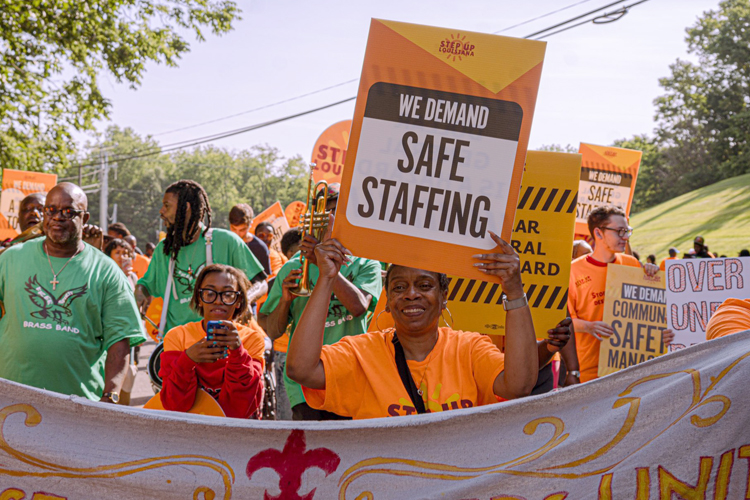
Dollar General workers protesting for “safe staffing,” courtesy of Step Up Louisiana

A 2023 proposal at Dollar General led by Domini Impact Investments and co-filed by the Presbyterian Church, (U.S.A.), United Church Funds, and other faith-based investors called for a third-party audit on the impact of company policies on the safety and well-being of workers. Dollar General’s history of repeat workplace safety violations poses significant risks to workers, and OSHA inspections found more than 300 violations, most commonly for blocked exit routes, fire extinguishers, and electrical panels. The proposal received an impressive 68% support from Dollar General shareholders at the company’s annual meeting on May 31, 2023.

The pendulum is clearly shifting toward workers. Advocacy efforts, including shareholder engagements, in support of worker rights are notching win after win and it is far better for companies and their investors to be seen as proponents of these efforts. Companies that do will be rewarded by a healthier, more loyal, and more productive workforce.


Article by Matthew Illian of United Church Funds and Katie Carter of Presbyterian Church U.S.A.

Katie Carter, Director of Faith-Based Investing and Shareholder Engagement at the Presbyterian Church, U.S.A., joined the office as the Associate for Research, Policy and Information in February 2017. She leads shareholder research and engagement efforts and encourages companies to adopt policies and practices aligned with PUCSA values. Previously, she was Director of Research, Education, and Public Policy at National Safe Place Network for two years, where she coordinated training opportunities and services for youth and family-serving agencies. She also spent five years at Kentucky Youth Advocates, leading efforts on improving child health and family economic security. She holds a Masters of Public Affairs from Indiana University’s School of Public and Environmental Affairs and BA in English and Politics from Earlham College. Originally from Iowa, she now lives in Louisville, Kentucky, with her husband, Chris, and two young daughters, Eloise and Gillian. Katie also serves on the Board of Directors of Americana World Community Center, a nonprofit serving refugee and immigrant populations in Louisville.

 Matthew Illian is Director of Responsible Investing at United Church Funds which is a financial ministry related to the United Church of Christ. In this position Matthew oversees social and environmental shareholder advocacy work, proxy voting and investment screens. He also supports the investment team to ensure UCF’s values, including manager diversity, are being applied by over a dozen external investment managers. Matthew did his undergraduate work at the University of Virginia and received a Master’s degree in Finance from the Johns Hopkins Carey Business School. Matthew serves on the ICCR Advancing Worker’s Justice leadership team and the PRI Asset Owner Technical Advisory Committee.

Additional Articles, Energy & Climate, Food & Farming, Impact Investing, Sustainable Business

Seeing Healthcare as a Human Right

By Lydia Kuykendal and Cathy Rowan, Mercy Investment Services and Trinity Health


Lydia Kuykendal - Mercy Investment and Cathy Rowan - Trinity HealthAs responsible investors, we advocate for corporate and systemic reforms that will improve the health and well-being of communities, especially those communities bearing a disproportionate burden of disease. For decades, faith-based investors working through the Interfaith Center on Corporate Responsibility (ICCR) have engaged leading pharmaceutical and other healthcare companies on concerns related to access and affordability of medicines, vaccines, and other health technologies. We make the case to healthcare companies that, more than any other sector, their business model must prioritize people over profits as their practices have a direct impact on people’s well-being.

Medicines Only Work if you Can Afford Them

Access to affordable health care often remains frustratingly out of reach, particularly for people living in low- and middle-income countries. Here in the U.S., the cost of branded medicines outpaces other countries in many cases by a factor of two. As a result, one in four adults in the U.S. today will not fill a prescription, will cut pills in half, or skip doses because of cost. Without access to affordable medicines and healthcare, workers can’t work, which creates systemic economic risks for all stakeholders including healthcare companies and their investors.

The prohibitively high cost of medicines in the U.S. is often cited as one of the most critical and intractable issues by a majority of Americans and, for this reason, strategies to reduce the cost of medicines have been the subject of multiple Congressional hearings and proposed legislation. Yet drug pricing has proven a remarkably stubborn problem to solve through legislation. This is due largely to the powerful influence of the pharma sector and its trade associations on our legislative and regulatory structures through expansive and opaque lobbying and political donation campaigns.

Preventing Healthcare “Apartheid”

Notably, access to affordable healthcare can be extremely disparate with blatant discrimination often occurring along racial, gender and income lines. Nowhere was the gulf between the haves and have-nots laid barer than during the pandemic. As the world first began to grapple with the COVID-19 pandemic, many public health officials foresaw it would not be an equal opportunity virus; in fact, COVID-19 has been quite efficient in exacerbating the systemic inequities that have long plagued marginalized communities, often people of color, where structural racism, discrimination, and the negative impact of both corporate and social influencers of health have put them at an extreme disadvantage. Faith-based investors issued early warnings against the potential for a vaccine apartheid that would disenfranchise low income and communities of color across the globe. We believed the significant public investments in the creation of COVID vaccines and therapies compelled companies to prioritize equitable access and affordability.

faith-based investors advocate for policies that increase access to medicines to both reduce harm and improve health outcomes

The Problem with the Patent System

In their shareholder engagements, faith-based investors have used a variety of strategies to advocate for policies and practices that would increase access to medicines to both reduce harm and improve health outcomes, including shareholder proposals requesting lobbying in alignment with access strategies, proposals calling for the transfer of technology and Intellectual Property (IP) to generics manufacturers to broaden access outside of high-income markets, and proposals calling for an end to anti-competitive practices such as the misuse of patents. Because IP protections on branded drugs play such an important role in maintaining high prices and impeding wide scale access to medicine, they have been the subject of multiple engagements with pharmaceutical companies. When patent protection on a drug ends, generic manufacturers can enter the market with a lower-priced formulation that generally results in increased access. However, branded drug manufacturers often deploy a variety of strategies to delay generic competition and extend their exclusivity periods in order to maintain a higher price point. We see a big difference between the legitimate use of patents designed to protect the rights of the maker of an innovative medicine and the misuse of the patent system to delay the introduction of generic drugs to allow for price increases on existing drugs. In our engagements, we ask pharma companies to tell us how they are considering access when they seek secondary and tertiary patents on their drugs.

The Government’s Right to Bargain

One of the reasons Americans pay more for prescription drugs than anywhere in the world is because the U.S. is one of the only countries whose government is not empowered to negotiate drug pricing on behalf of Medicare and Medicaid recipients. Therefore, when the Inflation Reduction Act passed last year with the provision that Medicare will have the right to negotiate prices for 10 of the most expensive drugs for its beneficiaries, American seniors breathed a collective sigh of relief. Yet, the backlash from the pharma industry was remarkable in its swiftness, forcefulness, and in its apparent coordination. A series of pharma companies and their trade associations began filing lawsuits against the Department of Health and Human Services (HHS) and Centers for Medicare and Medicaid Services (CMS), alleging “extortion” and a violation of 1st and 5th Amendment rights. While the lawsuits highlight a variety of grievances – from “extortion” to “compulsory speech”, they share a common theme: that the government’s attempt to negotiate prices on behalf of millions of Medicare recipients is “unconstitutional.”

The faith-based investor response was equally swift, and an investor statement was organized decrying the lawsuits as running afoul of corporate mission and values statements. We believe working to make medicines more affordable, particularly for seniors, is an appropriate and laudable goal for the U.S. government and would hope that drug manufacturers would work with, not against them.  

Healthcare will Always be a Human Right

As investors representing faith-based institutions, several of them with ties to the healthcare industry, we see the toll a lack of access to affordable, quality healthcare can take on our communities and how those impacts can ripple out to create broader systemic threats to our economy and society. We believe healthcare is a human right that should be accessible to all, and this view is supported by numerous international conventions including the Universal Declaration of Human Rights, the UN Sustainable Development Goals, and the UN Guiding Principles on Business and Human Rights (UNGPs). Yet, we would argue that the current business model of pharmaceutical and other healthcare companies far too often prioritizes profits over patient health in violation of people’s human rights. In our work going forward, we will be taking a human rights lens to all our engagements with healthcare companies. Several proposals have been filed for 2024 proxies calling on pharma companies to conduct human rights due diligence in accordance with the UNGPs. Given pending legislation in the EU that would mandate human rights due diligence, the way we see it companies implementing the proposal will be ahead of the curve. Drug manufacturers have a responsibility to operationalize a business model that promotes human rights worldwide. If, as all companies in this industry state, patients are indeed the most important part of their business, this should be an achievable task and we look forward to continuing to work with them to make it a reality.


Article by Lydia Kuykendal of Mercy Investment Services and Cathy Rowan of Trinity Health

Lydia Kuykendal has spent the last 15 years in health advocacy leading issue campaigns, managing coalitions, acting as a media spokesperson, cultivating strategic partnerships and lobbying elected officials. Her current position as Director of Shareholder Advocacy at Mercy Investment Services allows her to engage directly with publicly held companies on issues such as access to health care, human rights, gun safety, transparency in artificial intelligence, and anti-racism. In the past she has worked for Louisiana State University and The American Cancer Society’s Cancer Action Network. Before coming to Mercy Investments, she served as Engagement Director at Giffords, a national gun violence prevention organization. There she worked to develop and implement engagement strategies and campaigns to reduce gun violence at the national, state, and local levels. A native of North Carolina, she is a 2004 graduate of North Carolina State University with a B.S. in Biomedical Engineering and earned her Masters of Public Health from Tulane University in 2006.

Since 2003, Cathy Rowan has been the Director of Socially Responsible Investments for Trinity Health, a large Catholic health care system in the United States and a member of the Interfaith Center on Corporate Responsibility (ICCR). A former ICCR Board member, Cathy engages companies on Trinity Health’s behalf on health equity, food and nutrition, tobacco control, environmental health and gun violence issues.   She also serves as a corporate responsibility consultant for the Maryknoll Sisters, a congregation of women religious who serve in 18 places around the world, representing them in shareholder engagements on global health, climate change, responsible lending, water and eliminating child sexual exploitation online. Her involvement in impact investing also includes growing Trinity Health’s community investment program, and leadership on the boards of Mercy Investment Services, Oikocredit USA, and the Leviticus 25:23 Alternative Fund.

From 1987-2002, Cathy was a Maryknoll Lay Missioner, living in Sao Paulo, Brazil for six of those years with her husband and two children, and working with a human rights team, women’s groups and a child nutrition program.

Additional Articles, Impact Investing, Sustainable Business

Love Your Neighbor with Your Investments

By Robin John, Eventide Asset Management

Above photo by Sean Pollock

Robin John EventideOver the past few years, a growing number of investors have started leaning into their faith to guide their investment choices. Morningstar found that more faith-based products launched between 2019 and 2022 than during any other stretch since 2010 and predicts faith-based investing will grow even more popular with the surge of customized investing.

The driver behind this growth in faith-based investing is, in my view, a response to the pain and suffering seen in the world and the desire of many investors to combat it by investing in good. Faith-driven values have long been a reliable framework to accomplish this goal.

Faith-driven investing communicates the ethical desires of shareholders to companies, seeking to shape corporate behavior and encouraging decisions that contribute to the human flourishing of stakeholders. At Eventide, our faith-driven investment model is anchored in biblical principles and is the foundation of everything we do.

In 2008, Eventide was founded with the desire to honor God and create compelling value for the global common good. We believe in investing that makes the world rejoice! The founding members and I saw a unique opportunity to connect our faith to our investments. We set out to invest in companies that we could be proud of and that align with our Christian values: companies that didn’t just create strong returns but also served their stakeholders well.

To effectively do this, it is important to have an understanding of both the love we are trying to achieve and the neighbor we are seeking to love. In what is often considered one of the greatest commandments in the Bible, Galatians 5:14 says to love our neighbors as ourselves. I take this to mean that we should consider the well-being of others in the same way we would want to be considered. Not only is this kind of love possible through investing, but it is a powerful agent of change.          

Businesses have two sets of neighbors: internal and external. At Eventide, we define these with the acronym “CES2”. Internally, a business’s neighbors are its Customers, Employees, and Supply chain. Externally, it’s the business’s Communities, Environment, and Society. These neighbors, or stakeholders, are at the forefront of our minds while investing, not only as a way to leave the world better than we found it but also as a long-term investment strategy of investing in “good” companies.

A study by McKinsey found that companies with an emphasis on their people and the company’s performance displayed more economic resiliency than companies solely focused on performance. Amid the COVID-19 pandemic, companies that dedicated resources to enhancing their employees’ skills and optimizing their work environment saw their revenue grow at a rate twice as fast as those that did not make such investments.

To effectively love our neighbors through the vehicle of investing, Eventide uses the framework of avoid, embrace, and engage. This includes avoiding companies that are siphoning value instead of creating it for others, embracing companies that are contributing to the human flourishing of their stakeholders, and, even further, engaging with companies to help them better serve the world’s needs. We believe this framework helps us allocate our investments towards companies that are creating meaningful value for their stakeholders.

Investing with values has reminded me of how God invites us into His redemptive work in the world. In Revelation 21:5, God says that He will make all things new. We all can join Him in this good work regardless of personal background, occupation, or circumstance. When this faith-based perspective comes together with a performance and stakeholder-oriented approach to investing – the possibilities for doing good and bringing hope are immense.

One powerful example is Reverend Leon Sullivan’s “Sullivan Principles” in response to apartheid in South Africa. In 1977, Baptist minister and GM board member Leon Sullivan put forth a set of six principles designed to guide U.S. investments and business activities in South Africa. These principles encompassed the eradication of workplace discrimination, the promotion of pay equality, support for education, and the sponsorship of social programs and community investment.

 As a result, 160 of the 244 American companies with investments in South Africa adopted the principles, serving to shape the American corporate response to apartheid and joining in the domino effect towards the eventual end of the oppressive system.

Free Uighur - Photo by Kuzzat Altay
Photo by Kuzzat Altay

Today, Eventide is looking to drive this kind of change towards the oppression of the Uyghur people who are in forced labor camps in the Xinjiang region of China. Their forced labor is contributing to the solar panel supply chain. We are seeking to eradicate this by divesting from companies with any connection to forced labor and, instead, embracing and engaging with those that are forced-labor-free. The goal is that one day, the solar supply chain will be completely free of forced labor. As the Sullivan Principles contributed to the end of apartheid, our hope and goal is that by refusing to support any company that uses the forced labor of the Uyghur people — and bringing broad awareness to the issue — their oppression will eventually end.

As more money is allocated towards value-creating companies and less towards value-destructing companies, a message is sent to the marketplace about what investors will and will not tolerate.

Faith-driven investing is a powerful way for investors to pursue performance and drive positive change in the world. The opportunities are vast, whether supporting companies that treat their employees fairly, contributing to their communities, or even taking steps to eliminate injustice in their supply chains. Investors can engage with a values-aligned financial advisor to ensure their investments are allocated towards companies that love their stakeholders well. Together, we can send a resounding message about the types of business practices we will and will not stand for, shaping corporate behavior and contributing to human flourishing around the world.


Article by Robin John who serves as a Founding Member and Chief Executive Officer of Eventide.

 Disclosure

This article is provided for informational purposes only and expresses the views of Eventide Asset Management, LLC (“Eventide”), an investment adviser. This does not constitute investment advice nor is it a recommendation or offer to purchase or sell or a solicitation to deal in any security or financial product. Eventide does not provide tax, accounting, or legal advice. Eventide’s values-based approach to investing may not produce desired results and could result in underperformance compared with other investments. There is no guarantee that any investment strategy will achieve its objectives, generate profits, or avoid losses. Eventide uses the trademark (“Investing that makes the world rejoice®”) in a figurative manner to help explain its focus on serving investors by helping them improve the world.  Third-party sources have not been independently verified, nor is Eventide affiliated with any third-parties referenced.

Featured Articles, Impact Investing, Sustainable Business

Build. Give. Invest: A Framework That’s Worth the Risk

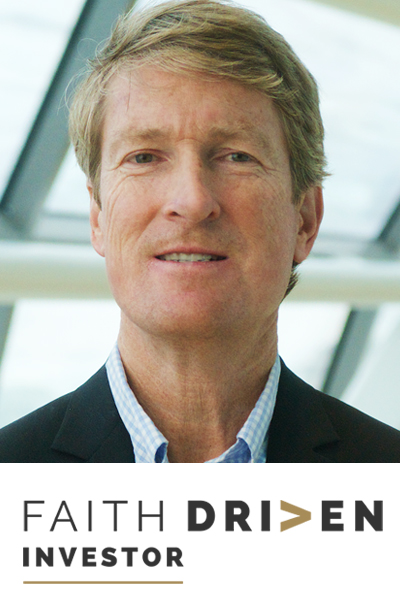
By Henry Kaestner, Faith Driven Entrepreneur & Faith Driven Investor ministries


Henry Kaestner Faith Driven Investor ministriesI can sum up most of the teaching I’ve encountered about Christian finances in two words: make and give. Since coming to faith in my 20s, it has mostly been taught to me that if I am going to be successful, I should make as much money as possible so I can give away as much as possible. 

The implication here is that the most holy thing to do with your money is to donate it. Send it to the nonprofits. Give your tithe. And then wait for your reward in heaven. 

As an investor, this has always felt incomplete. While God certainly calls me to give, he has also called me as an entrepreneur and investor to use a portion of my capital to invest in for-profit companies that, by design, aren’t doing philanthropic work. So, I’ve had to wrestle with how these vocations fit with God’s vision for my finances. 

Where Does Investing Fit? 

It sure does seem like it has to belong somewhere because after years of working with Faith Driven Entrepreneurs and Investors around the world, I know one thing for sure: these people are having incredible kingdom impact. They are building culture and influencing their communities through their companies. Nonprofits and charities are absolutely an essential tool God uses to advance his Kingdom. But it is not the only way. Charitable giving is one (very important!) way to honor God with our finances, but it’s not the only way. 

That’s why we at Faith Driven Investor have started thinking about a threefold framework that consists of building, giving, and investing. 

Let’s Break Down Each of These

Giving is what most of us are probably most familiar with. This is our philanthropic capital that directs money where it’s needed most, in emergency situations and places with great, immediate needs. But, giving doesn’t solve every problem. 

Recent leaders like Brian Fikkert have pointed out that, in some cases, charity can hurt more than it helps. Sometimes investment capital is needed to advance emerging regions. In their book, The Prosperity Paradox, Clayton Christensen and Efosa Ojomo show how business and innovation can help lift nations out of poverty even more rapidly than charities in some cases.

That’s why we have to think about how we build, too. Enterprises offer an incredibly diverse collection of life-changing ways to stand in the gap. They boost economies, and they create sustainable, long term solutions. This isn’t to replace our giving. It’s in addition to it. Those companies need investment capital to reach their full potential.  

Too often we think of these as three distinct and separate pursuits. As a result, they become siloed obligations rather than wholly integrated endeavors. But it doesn’t have to be this way. We can pull all our capital from one pocket and see how God will use all of the capital for his glory. 

This sounds good to most of us, but the challenge comes when we really consider what it really means to surrender all we have to God. If we’re going to build, give, and invest for God’s glory, we have to be prepared to think differently about what we build and how we invest. For many of us, that will require us to redefine our relationship with risk. 

I know for me this has been less of a one-time decision and more of an ongoing journey. Over the years, I’ve had to often ask myself that if I truly believed all that God promises in the Bible, would I act the same way I do, think the same way I do, invest the same way I do? The concept of hedging in my own life has all too often looked as if it’s a hedge against God’s promises not being true — just in case He fails to clothe the lilies of the field, just in case He doesn’t actually have a plan to prosper me. 

This is a Dangerous Trap  

Rather than renewing my mind and orienting my heart on Him, I am often tempted to fall right into the trap the rest of the world trips over: the worries of the world and the deceitfulness of riches. In the Parable of the Sower, this is the last obstacle that prevented the 30-, 60-, and 100-fold return. If we want to experience the fullness of what God has to offer, then we have to be willing to give him all we have. We have to trust Him with not just our philanthropic capital but our investments, too. 

For many of us – me included – the challenge is not in saying that we fully trust God. All who call themselves Christians do in some sense. But too often, our actions reveal that what we really trust is our bank accounts. 

If we spend the majority of our time and focus on building up resources for our enjoyment and safety, what does that tell us about whether we’re serving God or Mammon?  

When we spend all our energy and efforts hedging against risk, hedging against inflation, hedging against this, hedging against that, our entire life becomes a hedge. There’s the possibility that the faith we declare might only be a ticket to the afterlife. If we doubt the promises of God so severely that we place all our trust in our own ability to manage risk, then it’s possible we may not believe in what God has actually promised us. And until we get to that full level of commitment, we will miss out on the fullness of what God offers.

So how do we arrive at this risky perspective where we’re willing to build, give, and invest?

I won’t pretend to have some secret formula. Frankly, what I’m saying here causes me just as much discomfort as you may be feeling right now. I’m in the process alongside you. We all are. 

But here are three things that have helped me on my journey: 

  1. Pray – I want to encourage all of us to spend time on our knees asking God to search our hearts and show us where and how our investments might better serve Him. To do anything else would be too risky. 
  1. Discern – Whether you’re building, giving, or investing, I don’t want to encourage you to recklessly throw money at projects and hope that something good comes of it. There’s still wisdom and discernment required in all things.  
  1. Walk with Others – The very process of endeavoring to step out to make investments with wisdom brings us into a relationship with others who are trying to accomplish the same mission. This is the community God is calling us toward.

And there is a process of seeking out counsel from advisors and peers, both home and abroad, that keeps God at the forefront. Finding other Christ-followers who are seeking to make wise investments broadens our understanding of what God is doing and allows us to participate in His work. Yes, that can be messy. Yes, it’s time-consuming. But it’s so much richer than trying to do it alone. That is why we have designed Faith Driven Investing courses that bring together like-minded investors to grow alongside each other. 

The road to building, giving, and investing is risky. We have to ask ourselves: Do we really believe that? Do we really believe that God is working in and through the faithful investments of His people? Do we really believe that He will take care of us? Do we really believe that He’s in complete control over all the money and markets in the world? Do we really believe that every investment has an impact? 

Even asking these questions can be risky. You may end up thinking differently about how you build, give, and invest. But the riskiest thing we can do is play it safe. Pray and seek the will of God. And open up your head, heart, and mind to the fact that He may have something incredible in store for you — if you’re willing to take the risk. 


Article by Henry Kaestner,  co-founded the Faith Driven Entrepreneur and Faith Driven Investor ministries, and has been a catalyst behind both movements. He and his team seek to serve faith-driven entrepreneurs, investors, funds, partners, and advisors through content, community, and connections.

Henry is also a Co-Founder and Partner at Sovereign’s Capital, a private equity and venture capital management company that invests in faith driven entrepreneurs in Southeast Asia and the U.S. Prior to co-founding Sovereign’s Capital, Henry was co-founder, previous CEO, and Chairman of Bandwidth (NASDAQ:BAND) and its sister company, Republic Wireless.

In addition, Henry has been involved in a number of other ministries and philanthropic activities. He co-founded DurhamCares, was a founding Board Member of Praxis, and sits on a variety of business and ministry boards.

Henry serves as an elder in the Presbyterian Church of America and lives in Los Gatos with his wife Kimberley with whom he raised three adult boys.

Featured Articles, Impact Investing, Sustainable Business

Faith and Finance: New Horizons for 2024

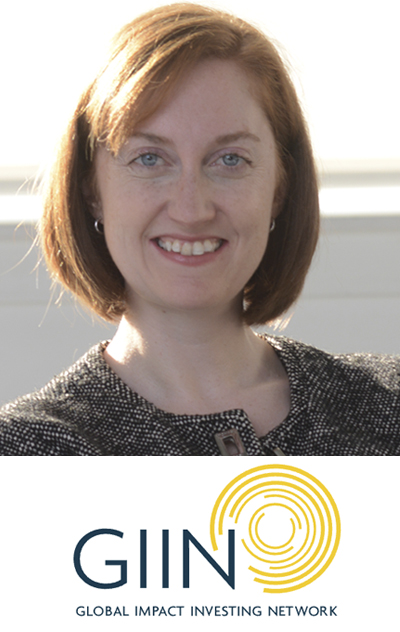
By Kate Walsh, Global Impact Investing Network

Above photo credit: Annie Spratt

Kate Walsh GIINIt can be difficult to have hope for our world: 2023 marked the hottest year on record and saw dozens of countries in conflict. For many, the answer to these crises is faith. Faith brings the ability to see the truth of the moment, the courage to bear witness, the ability to envision a better future with the determination to act.

Yet, what does faith have to do with capital? Given the way environmental and social uncertainties affect capital markets around the globe, quite a bit. For many, faith is required in these moments of challenge. We often think of faith institutions’ roles as leaders of moral realms, such as caring for others or honoring creation. What if we also considered the power of faith leadership paired with the capital these institutions hold?

$5 trillion US Dollars is owned by 360 religious organizations, according to a 2022 report from the Oxford Saïd Business School. Faith based investors often consider investing beyond our average lifespan, as they seek benefits for multiple generations and sometimes in perpetuity. For these investors with long-term horizons, how can their faith principles also live out through the power of their portfolios?

For the last four years, the Global Impact Investing Network (GIIN) has engaged with faith-based organizations to increase their capacity to pursue impact through their investment strategies and align their financial choices with their organizational mission. The GIIN is the global champion of impact investing, dedicated to increasing its scale and effectiveness around the world. Impact investments seek intentional, positive and measurable social or environmental impact alongside financial returns. They are designed to invest in the solutions people and planet need to thrive — such as financing affordable housing, community services, clean energy and environmental preservation — areas where many faith-based institutions have previous interest and experience.

Through our multi-year endeavor, the GIIN has seen faith-based institutions develop a range of responses to the current social and environmental challenges of our world. There is no guide or playbook, as every organization is unique, but there are exciting advancements to note for 2024.

Consider Impact as a Lens:

In December, the GIIN published a report that unpacked a new approach to portfolio construction, one in which impact is integrated holistically across all investments. This publication and its findings are an outcome of three years of roundtable discussions with 45 unique institutional asset owners across the globe. With this holistic construction approach, asset owners can then measure and manage impact outcomes in all investments, alongside their financial returns. While many may consider asset owners to only be public or private companies, there are many faith-based organizations that fit this description.

 The brief offers an overview and a guide for institutions, which can be applied to religious organizations as well.

 Institutional asset owners, including faith-based institutions, can consider how their investments affect the lives of their beneficiaries — be it their current employees, pensioners, or those in their congregations — while meeting their fiduciary obligations. For a practical application, the report highlights an example scenario of a teachers’ pension fund investing in affordable housing. A more inclusive understanding of a portfolio’s purpose can align with the long-term investment goals of many faith-based asset owners.

Graham Singh on turning surplus church properties into community hubs and affordable housingGraham Singh of Trinity Centres Foundation joins David Bank of ImpactAlpha from the Global Impact Investing Network’s Impact Forum 2023 in Copenhage,n to discuss how Trinity is creating financing structures to underwrite the transition of surplus religious properties.

Review Your Real Assets

Faith organizations often own significant amounts of land and property. However, in many countries such as the United States and Canada, some religious denominations are experiencing a decline of faith membership and a declining use of faith-based property. In the United States alone, it is estimated that nearly 100,000 Christian churches will close by 20301

A recent book on the topic of religious property asks: will these real assets of churches be gone forever or could they be “Gone for Good”, meaning intentionally transitioned to benefit local communities. When properties are no longer used by a federation or congregation, thoughtful engagement and planning can protect against crumbling, unused buildings or from a widening gap between the rich and poor due to gentrification. Given that in North America, many religious communities acquired property in ways that beg questions of equity and justice, reviewing real assets can encourage faith communities to reflect on their history and role in atrocities such as slavery. 

Photo credit Kuzzat Altay
Graham Singh of Trinity Centres Foundation (on the left) attending the GIIN’s 2023 Impact Forum.
Photo credit: Martin Solyst

Notre Dame University’s Church Properties Initiative and Fitzgerald Institute for Real Estate (FIRE) host conferences and have created a database of Catholic Church real assets. By collecting and tracking any change made to the church properties and their reimagined futures, the University has created a crucial feedback loop for Church leaders. Trinity Centres Foundation in Canada also offers opportunities to explore what transition of real assets could look like for faith communities. With the adaptive reuse of faith real assets, through offering low-rent space to local charities or affordable housing units, mission alignment can become a reality. Houses of worship do not need to close or crumble, rather they can be reused to benefit their community.

 Continue Learning

 There are many areas that connect faith alignment with financial choices, and continuing to learn about these opportunities is beneficial to faith-based investors.

One area that has seen expertise developed, especially by Jewish organizations such as the Jewish Community Foundation San Diego and the Jewish Community Federation and Foundation San Francisco is the advancement of donor-advised funds or DAFs. These accounts have allowed philanthropically minded organizations and individuals to combine charitable giving with impact investing and double the impact of their dollars. DAFs allow donors to select an investment account, where the capital will be used to support charitable organizations. Before the donor selects which charities to gift to, the donor can also select a mission-focused investment account that can be invested into impact investments.

For Muslim investors, the work of Project Tayyib is quite exciting. This initiative seeks to bridge Islamic values and finance through responsible investments. After years of research, this work outlines principles for Shariah-complaint asset managers and spans multiple asset classes, offering a first of its kind paradigm.

There are also additional educational opportunities for those who are interested in faith-consistent investing. FaithInvest and the Francesco Collaborative offer courses to explore the many opportunities that bespoke organizations seek to connect their mission with their money.

In closing, each faith-based organization will have personalized missions and investment goals so their approaches may differ. There are no silver bullets, but these ideas are a powerful starting point to inspire individual action and improve our world. While the world presents a host of challenges and opportunities to all investors, we recognize a unique power in faith investors: an ability to speak out against injustice, to envision a new world and to take action to lead us there. If the answer for many in time of uncertainty is faith, perhaps the answer to financing a just and sustainable future can be found in the same space.


Article by Kate Walsh, who serves as the Associate Director of Faith-Based Investors Initiatives for the GIIN. In this role, Kate networks with faith- based investors to encourage the use of impact investing as a tool to further their missions.

 Previously, Kate served as the Associate Director of Investor Advocates for Social Justice (formerly the Tri-State Coalition for Responsible Investment) where she focused on advocacy regarding food sustainability, financial markets reform and forced labor concerns. In addition, she served as a board member for the Interfaith Center on Corporate Responsibility. She is also experienced in impact measurement having previously been the Manager of Program Evaluation for a 135-year old social services agency.

 Foot Note:

 [1] Elsdon, Mark. (2024) “Gone for Good?: Negotiating the Coming Wave of Church Property Transition”. 

Energy & Climate, Featured Articles, Impact Investing, Sustainable Business

Signup to receive GreenMoney's monthly eJournal

Privacy Policy
Copyright © GreenMoney Journal 2025

Website design & development by BrandNature

Global Events Calendar

View All Events

april

21aprAll Day232026 Sustainable Packaging Coalition: SPC Impact – Nashville

27aprAll Day30Women Deliver 2026 Conference (WD2026) – Melbourne

X