Tag: Impact Investing

Native Americans Get Funding for Climate Projects

By John Howell, Climate & Capital Media

The U.S. Inflation Reduction Act directs $720 million to tribes and Native communities for climate resilience and solutions.
Climate and Capital Media Featured NewsFrom gold rushes to oil booms, Native American lands have been subjected to some of the worst environmental abuses in America. Unregulated mineral mining, rapacious fossil fuel extraction and multiple pipelines have dominated land occupied for thousands of years by Indigenous people. The history is dotted with cavalier treatments by corporate energy and mining interests. Many Native Americans have ended up living in some of the most degraded landscapes in the country, their communities severely damaged by factors ranging from the practical — such as polluted water — to cultural: some of the most desecrated tribal lands are sacred in the belief systems of various Native American tribes. 

With marginalized status and little political power, tribal communities have historically struggled to protect their lived environment from ecological degradation. And there’s another severely limiting factor in their ability to defend their landscape: poverty. Native Americans have the highest poverty rate among all minority groups at 25.4 percent.

So, for the past 50 years it has been relatively easy for fossil fuel and mining interests to separate Native Americans from their assets and resources with relative impunity. It’s no accident that the movement for Native American rights rose in tandem with the growth of a national environmental awareness in the 1970s. As a general group, Native Americans are among the most affected by the ecological quality of the natural assets on which they live or which they claim as ancestral homelands.

Now, one of the biggest steps toward rectifying this sorry state of affairs is underway, thanks to the climate-related provisions of the Inflation Reduction Act. Within its unprecedented allocation of $379 billion for investment and subsidies in climate initiatives, there’s a little-remarked upon directive that steers $720 million to climate resilience and energy funding for Native-driven climate solutions and tribal energy development.

The intention is to deal with climate issues as they affect some of the most ecologically challenged land in the U.S. while also advancing some measure of environmental justice. The IRA includes “Tribal-specific funding to address climate-related impacts in Native communities, including investments that support climate resilience and adaptation in Tribal nations and Native communities.” This may sound like a tall order but the IRA promises unprecedented funding plus the full weight of the federal government’s administrative apparatus to turn the reparative concept into reality.

The number of possible entities that could benefit is large. As of 2022, there are 574 federally recognized AI/AN tribes, a number of tribes recognized at the individual state level and also many tribes that are not state or federally recognized but would still be eligible. The IRA’s comprehensive menu of targets includes money for tribal climate resilience, including fish hatchery operations and maintenance, development of tribal high-efficiency electric home rebate programs and tribal home electrification and tribal emergency drought relief.

Further, if the execution of this legislation goes well, it could well be just the first phase of a significant effort at correcting decades of environmental damage to Native American land. The IRA also offers billions more through competitive grants, loans, loan guarantees and contracts for which tribes and Native Americans are eligible to apply.

Native Lands Need Electricity Investments

Almost $375 billion of the funding for climate projects on native lands is going towards electrification and for good reason. The energy issues on federally recognized Native reservations have been well known for some time. In 2000, then-secretary of energy Bill Richardson launched the Department’s Indian Initiative and commissioned a study on energy consumption and renewable energy development potential on Indian lands. Dismayingly, it found that “Indian households on reservations are disproportionately without electricity.” The analysis determined that 14.2 percent of Indian households on reservations had no access at all to electricity, as compared to only 1.4 percent of all U.S. households. Also highlighted was the statistic that the Indian lands with the greatest need for electrification were in Arizona despite “the fact that there is an indigenous supply of coal and a large power generation station with major transmission lines on this reservation.”

On the upside, the report emphasized that renewable energy projects were a great fit for native lands because they are environmentally and culturally harmonious. Outlined were many opportunities for biomass, wind, geothermal and solar energy to provide electrification to the underserved areas.

Over 20 years later, Richardson’s report could still serve as a cogent plan to provide access to electricity to native lands while achieving the IRA’s twin goals of cutting carbon emissions and developing renewable technology. There is also the added bonus of delivering environmental justice to a mistreated population — a crucial element that historically was missing from government climate investments. We can hope that the IRA’s provisions for Native American and tribal remediation and innovation can produce some real progress.


Article by John Howell is a writer, editor, and broadcaster who oversees the Climate Finance Weekly newsletter and advises on communications and media strategy. He was co-founder, editorial director, and chief of thought leadership for 3BL Media, for which he managed all original editorial content, wrote, and edited newsletters, and created the Brands Taking Stands initiative. He has worked as an editor and contributor for Elle, Artforum, and High Times magazines, developed new media for Hearst Magazines, and created communications for Calvin Klein, Polo/Ralph Lauren, and The Body Shop. He lives and works in New Hampshire and Maine.


Article reprinted with Permission as part of GreenMoney’s ongoing collaboration with Climate and Capital Media.

Additional Articles, Energy & Climate, Impact Investing, Sustainable Business

Sustainable Land Trust Management

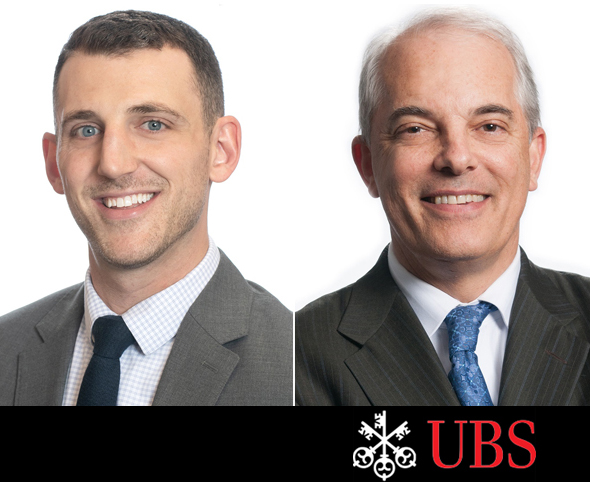
By John S. Adams, CFP®, CIMA® and Jack O’Connor, CFP®, CIMA®, The Arbor Group, UBS

Jack O'Connor and John S.Adams UBS Financial ServicesLand Trust Funding – Sustainable Investment Management for Parks and Protected Areas

Do you Love Your Local Land Trust?

If the answer is “Yes, I go hiking on the local trails,” you are not alone. There are currently more than 1,700 Land Trusts including 467 accredited Land Trusts1 in the United States. Chances are good that right now, thousands of nature lovers are out enjoying land trust trails. But have you ever wondered how they are financed? When you are called on to make a donation to support your land trust, or to join the staff or Board, this will help give you some insight into the current and rapidly changing landscape of finance for community protected areas. 

In a prior GreenMoney article2, we described how national parks and protected areas in remote parts of the world have attracted permanent financing using endowments. This helps provide income – and sustainable conservation financing for national parks in areas that do not have adequate financial resources. Major donors including governments and conservation organizations have collaborated to fund the “crown jewels of nature”, which helps make sure we can still have jaguars in the forests of Suriname, dolphins in the Caribbean, red pandas in Bhutan and mountain gorillas in the Virunga mountains of Uganda. 

In the United States, the Land Trust movement has grown organically. It sprang from the passion and commitment of individuals and communities who decided that some fields and forests, lakes and streams are too precious to risk development. Through a combination of land donation and acquisition, Land Trusts have been used to set aside land for the public and for nature, forever. There are now over 61 million acres under conservation, more land conserved than in all the national parks of the United States combined.3

The most common financial needs for land trusts are generally in three categories:

  1. Cash flows are needed every year to maintain properties held in trust
  2. The land trust organization operating costs, including outreach, staffing and facilities
  3. Acquisition of new properties

Sustainable Land Trusts-4

The normal fundraising activities of most Land Trusts have historically placed a major focus on the second and third needs. Annual member dues and an annual fund drive often finance the organization’s outreach and staff. Capital campaigns are the big fundraisers we see intermittently when a property becomes available. The Land Trust and its donors scramble to pay the purchase price for a property. Often these are time-limited opportunities, as a high-value property may be available for purchase before development occurs.

To meet these needs, operating cash flows are normally raised and placed in highly liquid checking and short-term bond accounts. For land acquisition, any investments held until purchase are usually invested in safe bonds and Certificates of Deposit (CDs) timed to mature just before money is needed to close the transaction.

In recent years a large new financial need has emerged for Land Trusts. It is a problem borne out of the success of these organizations – how to assure that cash flows are available every year to maintain properties held in trust.

Many Land Trusts began by negotiating with local families and companies for land that was often donated with specific requirements, sold at a below-market price, or purchased as a result of a community fundraiser. Often without resources, start-up Land Trusts turned to their city or county government or the community parks district to take over management on a permanent basis. This allowed many Land Trusts to be highly transactional – and light on cost and administration.

Now there are many situations where that no longer works, and Land Trusts find that they are responsible for the long-term care and maintenance of valuable properties. Many small governments, including, towns, cities, counties, and parks districts are just making ends meet and cannot afford to take on the expense of managing more properties – no matter how good they are for the community.  

There are also some types of properties that “just don’t fit the plan.” For instance, a Land Trust might obtain a conservation easement on 2,000 feet of salmon stream running through 5,000 acres of a dairy farm. What is a Park District going to do with that? The answer is usually that the landowner or the Land Trust owns the responsibility, and cost, for maintaining that stream in pristine condition. 

It is not unusual for a mature Land Trust to have a combination of properties they have provided for local parks as well as many properties and conservation easements they have put on their own books for permanent stewardship. But that creates a challenge – there is usually not enough money for that land stewardship while continuing outreach and growth and paying for the Land Trust’s staff and facilities. For that reason, at a certain point most Land Trusts want to create a method for reliable permanent financing. This is usually done through rents and by creating endowments that provide income.

Sustainable Land Trusts-1

According to Cullen Brady, Director of the Bainbridge Island Land Trust in Washington State, when a property owner offers a new property for donation, they usually have a person who is motivated to keep a beautiful piece of land the way it is for many generations. Cullen and his team ask the donor for an accompanying donation of funds that can endow and create a stream of income for the property. That allows money for maintaining trails, cleaning up trash, monitoring watersheds and other environmental systems, and removal of invasive species.

However, in situations where the land is being acquired at or below market, the purchase by the Land Trust rarely involves accepting a generous endowment from the seller. In a rare case, there is rental income that can help support the property, but usually it takes another significant cash raise to create endowment funding. While this is often a challenge, the long-term benefits of having endowed funding are well worth the work.

Sustainable Income and Sustainable Investing 

Each Conservation Trust’s Board sets its own goals, but it is common to see a Spending Policy Rate of 4.00% (e.g., 4.00% for annual distribution). That means that if a property requires $4,000 per year for maintenance, it requires $100,000 earning interest to provide that income. Most organizations set an Investment Policy goal for a total return of 6.50% in order to use the 4.00% income and have the ability to offset inflation (e.g., 2.50% reinvestment so income slowly grows over time as the endowment grows by 2.50% yearly). 

In addition, because long-term endowment investments are typically balanced portfolios of stocks and bonds, an “average balance method” is usually used during volatile periods when balances fluctuate. This is simpler than it sounds, and just involves using the average of the last 3-, 4- or 5-years’ fiscal year-end balance, then multiplying that number by the “Spending Policy Rate” (e.g., 4.00%). This has the remarkable effect of smoothing returns and creating enhanced predictability for that needed stream of revenue.

Sustainable investment requirements are also set by the Board and spelled out in the Investment Policy Statement. There may be environmental, social and governance (ESG) exclusions, such as to avoid companies involved in damaging environmental processes like timber, mining, or fossil fuel extraction. Preferences may be articulated for investing in companies with superior environmental management and leadership in reducing greenhouse gas emissions (GHG). These have become common requirements for endowments of environmental non-profits. 

Reporting and Monitoring

Land Trusts not only want good returns for the budget cycle, but also proficient and competent documentation of the investment process; they know that a large donor considering contributing to the endowment will demand such documentation, as well as evidence of adherence to sustainability standards.

Sustainable Land Trusts-2

In it For the Long Run

Land Trust endowments need reliable income and enough portfolio growth to keep pace with inflation. To achieve that, overall asset allocation is the most important driver of performance. Keeping fees low, using a blend of passive and active investments and using sustainable investment criteria can all contribute to return. 

Land Trusts are finding that, like their cousins, Conservation Trust Funds for national parks, having an endowment can make all the difference in achieving sustainable, long-term funding for land management. 


Article by Jack O’Connor and John S. Adams, who are both members of The Arbor Group at UBS Financial Services Inc at 925 4th Avenue, Suite 3100, Seattle, WA, Member FINRA/SIPC. They are part of a team of investment professionals that provide investment services for non-profit endowments, families, and charitable trusts. 

Disclosures

The information contained in this article is not a solicitation to purchase or sell investments. Any information presented is general in nature and not intended to provide individually tailored investment advice. The strategies and/or investments referenced may not be suitable for all investors as the appropriateness of a particular investment or strategy will depend on an investor’s individual circumstances and objectives.  Investing involves risks and there is always the potential of losing money when you invest. The views expressed herein are those of the author and may not necessarily reflect the views of UBS Financial Services Inc.

As a firm providing wealth management services to clients, UBS Financial Services Inc. offers investment advisory services in its capacity as an SEC-registered investment adviser and brokerage services in its capacity as an SEC-registered broker-dealer. Investment advisory services and brokerage services are separate and distinct, differ in material ways and are governed by different laws and separate arrangements. It is important that you understand the ways in which we conduct business, and that you carefully read the agreements and disclosures that we provide to you about the products or services we offer. For more information, please review client relationship summary provided at https://ubs.com/relationshipsummary or ask your UBS Financial Advisor for a copy.

Certified Financial Planner Board of Standards Inc. owns the certification marks CFP® and CERTIFIED FINANCIAL PLANNER™ in the U.S. CIMA® is a registered certification mark of the Investment Management Consultants Association, Inc. in the United States of America and worldwide. For designation disclosures visit- https://www.ubs.com/us/en/designation-disclosures.html

Energy & Climate, Featured Articles, Impact Investing, Sustainable Business

Carbon Clean 200 Companies Outperform Dirty Energy

The 10th cohort of global Clean200 companies leave dirty energy investments in the dust. Tesla ranked 5th along with Apple topping the chart.

As You Sow and Corporate Knights recently released their 10th update of the Carbon Clean 200, a list of 200 publicly traded companies worldwide that are leading the way among their global peers to a clean energy present and future. 

Key findings include:

  • Clean200 companies generated a total return of 91.21% beating the MSCI ACWI broad market index (87.84%) and MSCI ACWI/Energy Index of fossil fuel companies, (61.31%) on Total Return Gross — USD Basis from the Clean200 inception of July 1, 2016 to Jan. 31, 2023.
  • $10,000 invested in the Clean200 on July 1, 2016, would have grown to $19,121 by Jan. 31, 2023, versus $16,131 for the MSCI ACWI/Energy benchmark for fossil fuel companies.
  • The top 10 companies that contributed the most to the Clean200’s outperformance over the past year were primarily from China, the U.S., South Korea, and Sweden. They include electric vehicles, organic foods, energy conservation solutions, and renewable energy themes.

“In 2016 we created the Clean200 in response to investors saying, ‘if we divest fossil fuels there is nothing to invest in,’” said Andrew Behar, CEO of As You Sow and report co-author. “The Clean200 has demonstrated consistently that what we called the ‘clean energy’ future seven years ago is now the clean energy present. This year, the scale and global diversity of leading companies continue to expand and redefine the term cleantech to be any company that has products and services that will reduce demand for fossil fuels and water.”

The top 5 companies on the list by revenue include Apple Inc., which offers sustainably-certified phones and laptops; Alphabet Inc. which includes its web mapping platform; Deutsche Telekom AG.;  Verizon Communications Inc. — both in telecommunications services; and Tesla Inc. for its electric vehicles. Thirty-five countries are represented in the Clean200, including the U.S. (42), China (21), Japan (16), Canada (12), and France (11).

“It is telling that even on the back of a banner year for fossil fuel stocks, the Clean200 continued its 6+ year track record of outperformance against both fossil fuel and blue-chip benchmarks,” said Toby Heaps, CEO of Corporate Knights and report co-author. 

The Clean200 utilizes Corporate Knights Sustainable Revenue database which tracks the percent of revenue companies earn from sustainable economy themes including energy efficiency; green energy; electric vehicles; banks financing low-carbon solutions; real estate companies focused on low-carbon buildings; forestry companies protecting carbon sinks; responsible miners of critical materials for the low-carbon economy; food and apparel companies with products primarily made of raw materials with a significantly lower carbon footprint; and information and communications technology companies that are leading the way on transforming the way we do things through telecommunication technologies. 

The list excludes companies that are flagged on As You Sow’s Invest Your Values suite of mutual fund transparency tools that identify companies involved in fossil fuels, deforestation, the prison industrial complex, weapons, gender inequality, and tobacco.

“We will continue to track and share the emergence of this economic powerhouse,” Behar continued. “There is clear financial evidence showing a broad spectrum of companies defining this economic transformation away from an extractive economy and into a regenerative economy based on justice and sustainability. The job growth and resilience demonstrated by these companies are our greatest hope in controlling climate change and achieving a safe, just, and sustainable world for all.”


About As You Sow and Corporate Knights

As You Sow is the nation’s leading shareholder advocacy nonprofit, with a 30-year track record promoting environmental and social corporate responsibility and advancing values-aligned investing. Its issue areas include climate change, ocean plastics, pesticides, racial justice, workplace diversity, and executive compensation. Click here for As You Sow’s shareholder resolution tracker.

Corporate Knights is a research and media B Corp that seeks to provide information that empowers people to harness markets for a better world.

**As You Sow and Corporate Knights are not investment advisors nor do we provide financial planning, legal, or tax advice. Nothing in the Carbon Clean 200 Report shall constitute or be construed as an offering of financial instruments or as investment advice or investment recommendations.**

Additional Articles, Energy & Climate, Impact Investing, Sustainable Business

State of Green Business 2023 and the Top 10 Trends

By Joel Makower, GreenBiz Group

The following is an excerpt from GreenBiz Group’s 16th annual State of Green Business Report, which explores sustainable business trends to watch in 2023. 

To look only at the positive outcomes belies the immense challenges ahead.

“Stay the course.” That may be the key message coming out of the convulsing, confounding year that was 2022. For all that those 12 months threw at us — a still-raging pandemic, a global economic downturn, major supply-chain chokepoints, political upheavals, climate-exacerbated natural disasters and a global energy crisis spurred by Russia’s unprovoked invasion of Ukraine — there’s no turning back for sustainability professionals.

Of course, inflation and low economic growth led some companies to tap the brakes, slowing some initiatives, including the increased headcount that goes with companies’ growing sustainability ambitions. But not for long. There’s a general sense that the critical nature of social and environmental challenges, and the risks they pose to companies and society, will keep sustainability a hot-button business issue for the foreseeable future.

It’s another round of the sustainability cha-cha: two steps forward, one step back.

Oddly, some perturbations listed above have had a salutary effect on progress. The energy crisis laid bare the world’s unsustainable reliance on oil and natural gas from unfriendly nations and led to a ramping up of renewable, homegrown energy sources, notably solar and offshore wind along with fast- growing energy storage technologies. The spiking of gasoline and diesel prices accelerated the uptake of electric vehicles of all types, from e-bikes to big-rig trucks and everything in between. Supply-chain shortages contributed to a relocalization of manufacturing and logistics, driving down the emissions from shuttling things across oceans. Low-input indoor agriculture took root alongside rising food prices and distribution disruptions.

Still, it’s a treacherous, often terrifying time, given the real-world indicators of progress, or lack thereof. And to look only at the positive outcomes belies the immense challenges ahead: more extreme weather disruptions; more dithering by political leaders on decisively addressing the climate, biodiversity and equity crises; more evasive maneuvers by the fossil fuel lobby and its acolytes to delay a global energy transition; more plastics polluting oceans, reservoirs and, ultimately, our bodies. And more corporate commitments and pronouncements unmatched by actual, or at least sufficient, progress.

It’s another round of the sustainability cha-cha: two steps forward, one step back.

To be sure, the dance can be invigorating. Breakthroughs in decarbonizing energy production; high-performance chemicals and materials made without fossil fuels; new generations of plant- and cell-based meat alternatives; building technologies that enable healthier, more adaptive workplaces — these and many other advances have inspired us and promise positive economic and sustainability outcomes in the coming years.

And it’s not just scrappy entrepreneurs who are leading the charge, although there is no shortage of those. Many of the world’s largest companies, from furniture-makers to food producers to fashion houses, are developing or acquiring technologies that can accelerate their own transitions to more sustainable products, services and delivery systems.

In short, much of the sustainability wish list is coming to fruition — gradually, then suddenly, as Ernest Hemingway once put it. At last, biodiversity and natural capital are being recognized as critical inputs to business and industry; healthy ocean ecosystems are linked to climate mitigation and resilience; the financial sector, from insurance to banking to venture capital, is awakening to a post-oil future; and forthcoming transparency and disclosure frameworks promise to help separate leaders from laggards.

And despite a small but noisy cabal of right-wing ideologues in the United States, stakeholder capitalism is alive and well, as companies and mainstream investors increasingly view environmental and social issues not as some social engineering conspiracy but as activities critical to business and macroeconomic success. What some dismiss as “woke capitalism” is seen by many business leaders as waking up to 21st-century realities.

So, where does that leave us? What can we expect from 2023?

To answer that, for the 16th consecutive year, we’ve tapped the GreenBiz analyst and editorial teams to identify 10 key trends and developments we’ll be watching over the coming 12 months. To learn more, download the free report here.

The Top Sustainable Business Trends 2023:

  • Micromobility and Transit Pave the Way to Net Zero
  • Sustainability Gets Schooled at Work
  • Companies Learn to Measure the Unmeasurable
  • Alternative Protein Beefs Up for the Mainstream
  • Carbon Disclosure Becomes Mandatory 
  • Water Tech Catches a Wave
  • Natural Capital Earns Investor Interest
  • Carbon Tech Captures Billions in Funds
  • Business Model Innovation Accelerates Circularity
  • Geothermal Energy Heats Up


Download the free State of Green Business 2023 report to further explore the top sustainable business trends of 2023, as well as two other components of this year’s report: the state of Green Jobs and Careers from LinkedIn, and the State of Biodiversity by S&P Global Sustainable1.

Article by Joel Makower, Chairman & Co-Founder, GreenBiz Group

Additional Articles, Energy & Climate, Food & Farming, Impact Investing, Sustainable Business

ImpactAssets 2023 Impact Investment Fund Managers List

2023 edition of IA 50 features a record number of private impact fund managers delivering social and environmental impact as well as financial returns.

ImpactAssets announced in March that it has released the ImpactAssets 50 2023 (IA 50), a free publicly available, searchable database of impact investing fund managers for impact investors, family offices, corporations, foundations and institutional investors.

In its twelfth year, the IA 50 continues to raise awareness of impact fund managers across impact areas, maturity, and geography, serving as a basis for deepening understanding of the field.

The IA 50 breaks out managers in three categories, including the core IA 50 list, IA 50 Emerging Impact Managers list and IA 50 Emeritus Impact Managers list. Across all three categories, a record 163 impact fund managers were included totaling $122.48 billion in assets, invested across a range of asset classes and impact themes.

“This year’s IA 50 showcase is a watershed, as the industry continues to allocate more investable assets into social and environmental solutions with both time-tested strategies and creative, new approaches,” said Jed Emerson, ImpactAssets Senior Fellow, IA 50 Review Committee Chair and Chief Impact Officer at AlTi Global“Established funds continue to impress, while new funds are bringing fresh approaches and insights that move the needle in critical areas through impact investing.”

Some takeaways from this year’s IA 50:

Maturing Industry: While many investors see impact investing as the “next new thing,” this year’s IA 50 highlights the long roots and deep experience of an industry focused on making measurable, beneficial social or environmental impact alongside a financial return. More than four in ten (43%) IA 50 2023 fund managers have been managing assets for more than 10 years, and nine fund managers have been selected in all 12 IA 50 showcases.

Growth in Billion Dollar Funds: As impact investing continues its rapid ascension—the Global Impact Investing Network estimates the global impact investing market at $1.16 trillion—the IA 50 has seen a steady increase in the number of billion dollar funds in its ranks. This year, 18 managers with assets exceeding $1 billion were selected, up from 15 in 2022, while an additional 11 had assets under management between $500 million and $1 billion, up from ten in 2022.

Investment Themes and SDGs: A quarter (25%) of IA 50 managers across all three lists focused on clean technology, alternative energy, and climate change, making it the top impact theme. Microfinance, low-income financial services, and micro-insurance (12%) comprised the second-largest impact focus. The most represented UN Sustainable Development Goals cited by fund managers included Decent Work and Economic Growth (20%), Climate Action (17%), No Poverty (12%) and Reduced Inequality (11%).

Increased Diversity & RepresentationIA 50 fund managers embrace diversity in contrast to the asset management industry as a whole—asset managers who are women, Black, Indigenous or People of Color manage just 1.4 percent of $82.2 trillion in U.S. assets. Nearly half (48%) of fund managers reported their investment teams are 50% or more People of Color; 43% reported investment teams with 50% or more women. Similarly, 37% of fund managers reported their senior management is 50% or more women, while 35% said senior management is 50% or more People of Color.

Aligning Incentives with Impact: IA 50 managers are finding new ways to commit to impact. This year, 19% of core IA 50 managers, 17% of Emerging Impact Managers and 10% of Emeritus Managers said they tie fund compensation structure to achieving impact. A total of 17% said they have had their impact reporting verified by a third party.

Private Equity is the Largest Asset Class: Focused on deep impact in private markets, 60% of IA 50 fund managers are primarily investing in private equity, while 32% are primarily invested in private debt. Early Stage Venture Capital in Developed Markets is the most popular category, representing 12% of all funds.

Impact Doesn’t Mean Financial Sacrifice: A total of 76% of IA 50 managers target market rates or above market rates of return, and 98% reported delivering either in line or above their initial target returns.

Additionally, nearly one in five fund managers named to the IA 50 2023 is a signatory to the Operating Principles for Impact Management, a framework for investors to ensure that impact considerations are purposefully integrated throughout the investment life cycle. According to an independent analysis by BlueMark, a provider of impact verification services and intelligence for the impact and sustainable investing markets, 17 of these 31 fund managers have already completed an independent verification, as is required by all signatories.

“What makes the IA 50 so special is its independent Review Committee, comprised of a diverse mix of industry veterans, expert practitioners and impact champions” said Margret Trilli, CEO and Chief Investment Officer at ImpactAssets. “Throughout the IA 50’s 12-year tenure, we have honed a rigorous application, analysis and scoring process to support the Review Committee in selecting interesting fund managers for the IA 50 directory. In doing so, the IA 50 has become a staple resource for investors to source impact investment ideas to consider for their own due diligence.”

In addition to Jed Emerson, the ImpactAssets IA 50 Review Committee  is comprised of some of the leading thinkers and doers in impact investing— people who built the industry and are leading investors, managers and practitioners.

The IA 50 Review Committee includes: Andrew Lee, Managing Director, Global Head of Sustainable and Impact Investing, UBS Global Wealth Management; Christina Leijonhufvud, CEO, BlueMark and Co-Founder, Tideline; Cynthia Muller, Director of Mission Investment, W.K. Kellogg Foundation; Danielle Reed, Senior Vice President, ESG & Impact Investing, Jordan Park Group; Jennifer Kenning,  CEO & Co-Founder, Align Impact; Justina Lai, Chief Impact Officer and Shareholder, Wetherby Asset Management; Karl “Charly” Kleissner, Ph.D., Co-Founder of Toniic and KL Felicitas Foundation; Kate Starr, Co-Founder and Chief Investment Officer, Flat World Partners; Liesel Pritzker Simmons, Co-Founder and Principal of Blue Haven Initiative; Malaika Maphalala, CPWA® Private Wealth Advisor, Natural Investments, LLC; Margret Trilli, CEO and Chief Investment Officer, ImpactAssets; Mark Berryman, Managing Director of Impact Investing, The CAPROCK Group; Ronald A. Homer, Chief Strategist, Impact Investing, RBC Global Asset Management (US) Inc.; and Stephanie Cohn Rupp, CEO and Partner, Veris Wealth Partners.

The application and fund analysis for the IA 50 is conducted by ImpactAssets.


About the ImpactAssets 50

The IA 50 is the first publicly available database that provides a gateway into the world of impact investing for donors and/or investors and their financial advisors, offering an easy way to identify experienced impact investment firms and explore the landscape of potential philanthropic investment opportunities. The IA 50 is intended to illustrate the breadth of impact investment fund managers operating today, though it is not a comprehensive list. Firms have been selected to demonstrate a wide range of impact investing activities across geographies, sectors and asset classes.

The IA 50 is not an index or investable platform and does not constitute an offering or solicitation to buy or sell securities or a private placement or recommend specific products. Nor is this an endorsement of any of the listed fund managers. It is not a replacement for due diligence. To be considered for the IA 50 2023, fund managers needed to have at least $25 million in assets under management, more than three years of experience as a firm with impact investing, documented social and/or environmental impact and be available for US investment. Additional details on the selection process are available here.

The IA 50 Emerging Impact Managers list is intended to spotlight newer fund managers to watch that demonstrate potential to create meaningful impact. Criteria such as minimum track record or minimum assets under management may not be applicable. 

The IA 50 Emeritus Impact Managers list illuminates?impact fund managers who have achieved consistent recognition on the IA 50.

About ImpactAssets

ImpactAssets is an impact investing trailblazer, dedicated to changing the trajectory of our planet’s future and improving the lives of all people. As a leading impact investing firm, we offer deep strategic expertise to help our clients define and execute on their impact goals. Founded in 2010, ImpactAssets increases flows of money to impact investing in partnership with our clients through our impact investment platform and field-building initiatives, including the IA 50 database of private debt and equity impact fund managers. ImpactAssets has more than $2 billion in assets in 1,700 donor advised fund accounts, working with purpose-driven individuals and their wealth managers, family offices, foundations and corporations. ImpactAssets is an independent 501(c)(3) organization. 

Additional Articles, Energy & Climate, Food & Farming, Impact Investing, Sustainable Business

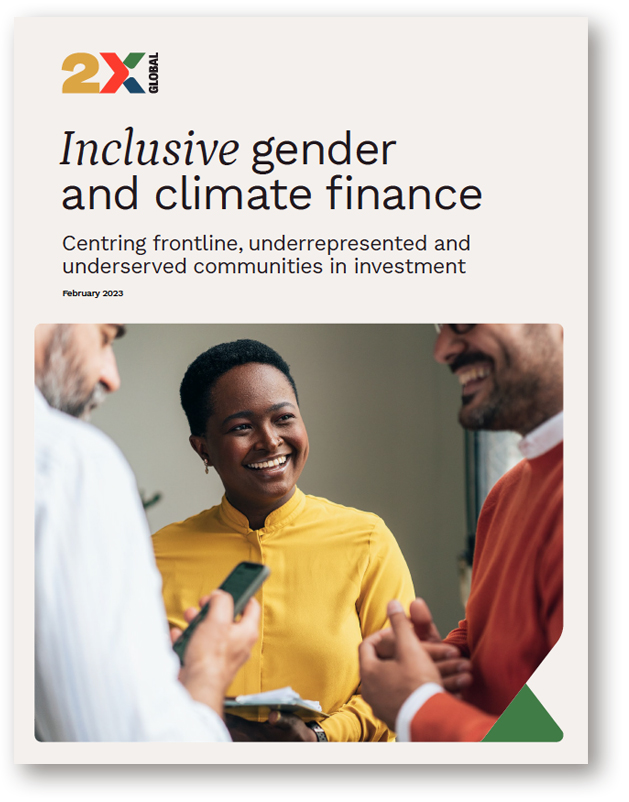
Inclusive Gender and Climate Finance – 2X Global Report

Investors can drive positive change by factoring in both climate action and gender equality, according to new report from investment network 2X Global.

2X Global Gender and Climate Finance ReportA shift towards more inclusive finance that accounts for gender inequality and climate vulnerability would help tackle the world’s most pressing challenges, according to a new report from 2X Global, a global organization of investors, intermediaries, and financial actors.

The report, entitled Inclusive Gender and Climate Finance: Centring frontline, underrepresented and underserved communities in investment, outlines how an integrated approach can help investors identify new opportunities with multiple, overlapping benefits while also addressing systemic prejudices and inequities.

For example, investing with a gender lens would also reduce the risk of climate-related shocks, given evidence that women can be quicker to adopt climate solutions than men. Yet in 2021, female founders of clean technology businesses raised $26.1 million compared to $10 billion by male founders.

Climate finance that tackles gender inequality would also diversify and strengthen the market given that women, particularly women of colour, remained overlooked by investors. In 2020, venture capital funding for women-led start-ups fell to just 2.3 per cent in the US, the report found, while Black women and Latina entrepreneurs received less than one per cent.

The authors called on impact investors to use a gender, climate and justice lens to channel more finance towards social and environmental progress.

“We know that inequality is a systemic risk, and yet not enough investors are accounting for this in their portfolios,” said Sana Kapadia, Director of Strategy at 2X Global and co-author of the report.

“This report offers accessible pathways for all investors to shift and rethink their investment decisions, processes and strategies to drive progress towards more equitable socio-economic and ecological transformation from the ground up, which stands to benefit the entire economy in the long-term.”

The report set out four entry points for investors, and five rationales for more inclusive finance. It also featured different types of investments at the intersection of gender, climate and justice, and case studies of investment vehicles and opportunities.

It highlighted the Matriarch Revolutionary Fund (MRF), for example, as the first social impact integrated capital investment fund led and managed by and for Indigenous women across the US. The fund supports Native women entrepreneurs by providing patient capital to help build restorative, regenerative, and resilient communities.

Inclusive finance with a climate and gender lens would also improve the economic stability of the countries most impacted by climate disasters, with up to 3.6 billion people living in contexts that are highly vulnerable to climate change. The Rallying Cry was included in the report as one example of a small and growing global initiative to direct private sector investment towards gender and climate, starting with agribusinesses in Kenya and Zambia. 

Finally, the report outlined a number of due diligence questions to help investors consider frontline, underserved and underrepresented communities in their decisions, building on the Justice, Equity, Diversity and Inclusion (JEDI) Investing Toolkit released by GenderSmart last year. The questions included: who is leading this fund or company, what is their racial/ethnic/gender background, and what is their direct experience with these issues? And where may this investment be reinforcing or counterbalancing extractive approaches environmentally and socially?

It comes as the UN Environment Programme’s Finance Initiative begins a series of roundtables in 2023 on sustainable finance while the Commission on the Status of Women took place in March.

“In the last 20 years, the world’s most climate vulnerable countries have lost an estimated $525 billion to climate change impacts,” said Jessica Espinoza, CEO of 2X Global.

“Investing in climate adaptation and resilience, particularly among women and frontline communities, not only represents long-term savings on disaster-related losses but also generates new economic opportunities and returns that would otherwise have been too risky.”

Find a copy of the report here


About 2XGlobal

2X Global, formerly GenderSmart and 2X Collaborative, is a global membership and field-building organisation for investors, capital providers, and intermediaries working in public and private finance, across both developed and emerging markets. GenderSmart and the 2X Collaborative, two organisations working to mobilise more gender-smart capital since 2018, became 2X Global on January 1, 2023. The GenderSmart Gender & Climate Investment Working Group – now Gender & Climate Finance Community of Practice – was launched in early 2020 with the goal of unlocking the potential of applying a gender lens to climate finance, and vice versa. The group tapped into the collective wisdom and experience of more than 100 investment pioneers, with the aim of driving positive outcomes for women and the world. Meanwhile, 2X Green, the 2X Gender and Climate Finance Taskforce, united development finance institutions to leverage the power of gender-smart investments for climate action and contribute to building the field in this space.

Additional Articles, Energy & Climate, Impact Investing, Sustainable Business

US SIF: Forum for Sustainable and Responsible Investment names Maria Lettini new CEO

Lettini brings over a decade of senior sustainable finance experience
 

US SIF: The Forum for Sustainable and Responsible Investment recently announced the appointment of Maria Lettini as Chief Executive Officer. Lettini will begin her tenure on May 15, 2023, succeeding Lisa Woll. 

“Maria is the right candidate at the right time,” said Diederik Timmer, chair of US SIF’s board of directors. “Hiring such an experienced CEO reinforces the ambitions of our board and the organization. We are grateful she has chosen to focus her considerable talent on advancing US SIF’s mission.”  

Lettini brings significant executive experience setting strategic direction and leading a sustainable investment organization. She served as the Executive Director of FAIRR, a global institutional investor network addressing the risks and opportunities within the global food system. Lettini joined FAIRR in 2016 and oversaw the growth of the organization to represent investor members with combined assets of over $70 trillion under management. There she was responsible for cultivating and growing membership, engaging and driving support, building coalitions and partnerships, producing research and achieving operational excellence. She expanded FAIRR’s impact across five key pillars: research, data, collaborative engagements, policy and investor outreach. She also served as the primary spokesperson and thought leader and was a sought-after presenter and facilitator at industry events bringing together diverse perspectives and voices to drive meaningful dialogues.   

Additionally, Lettini served on the Sustainability Accounting Standard Board Standards Advisory Group and is a member of the Intentional Endowment Network’s (IEN) Steering Committee. 

Prior to joining FAIRR, Lettini worked for PRI, the UN-supported Principles for Responsible Investment, where she cultivated and expanded the ESG community, managing the PRI’s signatory relations strategy and raising awareness of material ESG issues with institutional investors. Lettini started her career in global finance and capital markets, working at both J.P. Morgan and Deutsche Bank. She holds an MA (Distinction) in Environment, Politics and Globalization from King’s College London and a BA in International Business, Latin American Studies and Spanish from San Diego State University. 

“US SIF has accomplished so much and is poised to accelerate its impact and accomplishments,” said Lettini. “This is an incredible opportunity to apply my experience from FAIRR and PRI to the US sustainable investment market and to help drive the mission and impact of US SIF to the next level.” 

US SIF’s board formed a search committee and retained the services of executive recruitment specialist Korn Ferry to undertake the search process. The search was led by Kate Shattuck, Senior Client Partner, Global Financial Services and Co-Leader, Impact Investing and Becky Graham, Principal and Association Practice Leader. “We are proud to have supported the US SIF Board for their CEO search. The process was thorough, transparent and upheld the highest standards of professionalism and governance. US SIF’s stakeholders were highly engaged and supportive throughout the process,” shared Shattuck. 

Former CEO Lisa Woll announced her intention to step down in September 2022 and completed her tenure in February. US SIF Managing Director Bryan McGannon will serve as acting CEO in the interim. 


About US SIF and the US SIF Foundation

US SIF: The Forum for Sustainable and Responsible Investment is the leading voice advancing sustainable investing across all asset classes. Its mission is to rapidly shift investment practices toward sustainability, focusing on long-term investment and the generation of positive social and environmental impacts. US SIF members include investment management and advisory firms, mutual fund companies, asset owners, data and research firms, financial planners and advisors, broker-dealers, banks, credit unions, community development financial institutions and non-profit associations.

US SIF is supported in its work by the US SIF Foundation, a 501(C)(3) organization that undertakes educational and research activities to advance the mission of US SIF, including offering trainings for advisors and other financial professionals on the Fundamentals of Sustainable and Impact Investment.

Note to Readers: GreenMoney has been a long-time member of the US SIF.

Additional Articles, Impact Investing, Sustainable Business

Carbon Equity Wants Climate Investments to Pack a Punch

By Jacqueline van den Ende, Carbon Equity

How one advisory hones in on funds that promise the most impact for net zero solutions and provides access for more investors.

If you’re an investor looking to support solutions to climate change, how do you know your money can make an actual impact? Jacqueline van den Ende (pictured) has made it her mission to provide an answer. The CEO, co-founder and “company storyteller” of Carbon Equity has leveraged her experience as a private equity investor and company builder to create an organization that directs capital to top-class climate funds. In a recent conversation in the TBLI Talk series conducted by Robert Rubenstein, van den Ende describes her career transition, the purpose of Carbon Equity and how it directs capital toward climate-related investing that makes real progress toward a net zero future. The following is an edited transcript of her comments. John Howell, Climate and Capital Media


Climate and Capital Media Featured NewsI’ve spent half my life as an investor and half as an entrepreneur-venture builder. I started off in private equity with HAL Investments, a 12.5 billion euro (US$12.9 billion) fund in The Netherlands, buying and building companies. After four years in private equity, I felt I wanted to be on the other side of the table: I wanted to be building rather than being an investor standing on the sidelines. So, I joined Rocket Internet, which has powered many European tech companies. They asked me to move to Southeast Asia and build that country’s online real estate platform — which was a real-life MBA experience for me. Then I accidentally became an investor again, as a partner at a Dutch venture capital fund investing in software as a service. 

While I was there, climate change became much more of my top issue. It had always been an issue for me, but in the past couple of years, it began to move from background awareness to top-of-mind, red-hot alert. For me, the book “Six Extinctions” was a pivotal point. The writer [Elizabeth Kolbert] describes how in the last 300 years since the Industrial Revolution, loss of biodiversity and temperature increases have gone so incredibly fast, on a scale and at a speed that the world has never seen. For me, the book helped me realize that nothing else matters. I could be successful in building my career and companies, but if we don’t have a livable planet, there’s no point. 

I decided to refocus and spend the next thirty years of my career building companies that help solve climate change. My weapon of choice is capital. Why? Capital is my background. I strongly believe that, ultimately, money makes the world go round. I’m not saying that’s a good thing, but I am saying it’s an important reality. What receives funding grows, and what does not receive funding quietly dies. So, I’m interested in how we move the needle on climate change with capital. That’s what we’re trying to do with Carbon Equity. 

The value proposition of Carbon Equity is that it allows you to invest along with the world’s top climate investors in the world’s best climate solutions through climate funds. The funds are vehicles to deploy capital. The reason why we’re doing this is that if you are a private investor, whether a retail or high-net-worth investor, your options to deploy capital with impact are pretty limited. Take the view of a retail investor. What can you do with your money? First, you can invest in publicly listed stocks. If you buy shares of Tesla, what is the impact? Virtually none. If you buy a stock from someone else, your actionality is virtually none. Shareholder activism is a strategy that is proving to have some effect but typically, just investing in or divesting from a particular company stock has very little impact. 

The second thing you can do as a retail or high-net-worth investor is to do angel investments or crowd equity. That can have an impact on early-stage startups and scale-ups. However, it is very risky. You’re putting all your eggs in a single basket. You have to do all the diligence by yourself.

The thesis of Carbon Equity is, one, you can have way more influence investing in private markets rather than public markets. Carbon Equity only does private investments. Our second thesis point is: if you want to invest in private markets, it makes a lot of sense to do that in the form of a fund. Why do ultra-high-net-worth and professional investors invest in venture capital and private equity funds? Because they lean on professional management of these funds. They do the investing work for you. And you get to diversify because you’re not investing in a single company but a basket of companies. 

Unfortunately, it’s virtually impossible for even high-net-worth individuals to invest in these funds because, typically, the minimum to invest is 5 million euros (US$5.2 million). What Carbon Equity does is democratize climate venture capital and private equity investing by bringing down that threshold. The first step we made was to lower the threshold to 100,000 euros. The second step is to launch a climate investment club. Through the club, you can invest even 10,000 euros. The vision is that it should be possible for anybody who has a pension, an inheritance, a savings plan or a bonus from their company to invest in climate solutions through Carbon Equity in a sensible way. 

What do we do on a daily basis? Carbon Equity does four things: One, we curate fund opportunities. We look at 800 global climate venture capital and private equity funds, and we select the top five percent of most impactful funds, based on a proprietary time and diligence framework, and the top five percent of most interesting funds. First, they need to be impactful; then, we look to see if they are financially solid — an attractive investment. 

The quality of our climate diligence is our biggest point of differentiation. The purpose is to separate funds that are greenwashing or positioning themselves as climate virtuous from funds that are intrinsically end-to-end committed to realizing climate impact. The first thing that we obviously screen for is whether a fund is really screening for decarbonization solutions. Carbon Equity is not investing in slightly better companies but in companies that can deliver a material solution to decarbonizing the planet. We have developed a proprietary diligence framework that consists of forty to fifty questions where we assess every single step of the investing process to understand how impact is safeguarded within the fund. We look at who is on the team, who is responsible for impact and what goals are set for impact for the company, for the portfolio. How do you decide on impact at the level of your investment committee? To what extent are the incentives for fund managers tied to actually realizing impact? We look at the portfolio to see what investment decisions you have made and how they stack up against your impact statements that are on paper. So, we assess a fund based on how impact is realized, safeguarded within the mandate, and executed. 

We score funds on a scale of one to five. Funds need to score at least a three to progress to the next step of the process, which is full financial diligence — what is the track record, what’s the expense structure, what are the key risks and how are they mitigated? We are uncompromising in selecting funds based on their impact execution. 

The second thing we do is provide access by lowering investment minimums. The third thing is that we allow for diversification — because you can invest in lower amounts, you could invest in more than one fund, even a fund of funds that invests in hundreds of companies. The fourth thing we do is to bring it alive. For us, it’s not just about deploying capital but making it tangible how your money is making an impact. Through our app, you can see exactly what companies you’re invested in, what they do, videos, education and webinars. We want to take you on an active climate journey about how your capital is helping build the net zero future. 

The “TBLI Talk” series is presented by the TBLI Foundation, serving the global ESG and impact investing communities through conferences, educational services, investor research and tools. Its mission is to increase understanding and awareness of the benefits of a value(s) based financial system and thus help mobilize money flows into ESG and Impact investing to ensure a brighter future. 

Article by Jacqueline van den Ende, CEO, co-founder, and company storyteller of Carbon Equity. 

Article reprinted with Permission as part of GreenMoney’s ongoing collaboration with Climate and Capital Media.

Additional Articles, Energy & Climate, Impact Investing, Sustainable Business
2023 CDFI Sustainable Investing Trends

By Keisha Bolden, Self-Help Credit Union

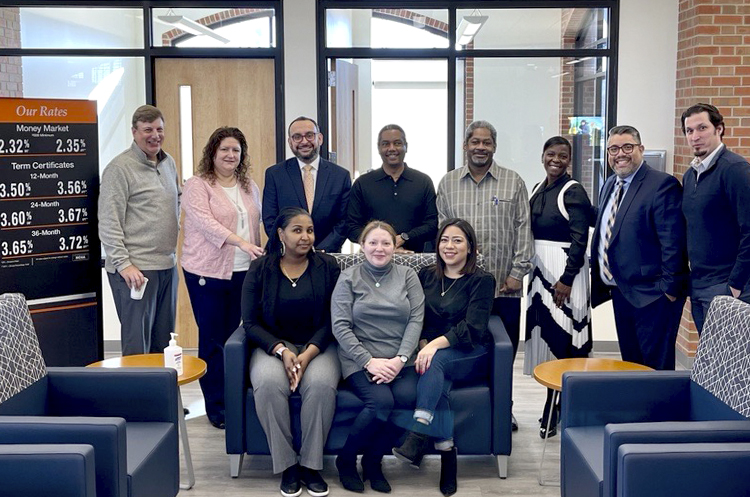
Above: Self-Help Credit Union staff in its Wilmington, NC branch. Self-Help has over 20 branches across North Carolina and more than 70 branches total across North Carolina, South Carolina, Florida, Virginia, California, Washington, Wisconsin and Illinois.

Keisha Bolden Self-Help Credit UnionSustainable investing has gained momentum over the past decade with both financial professionals and casual investors, and in 2023 it’s more relevant than ever. Growing social, economic, and environmental concerns have fueled an increase in socially responsible investments as more people realize the positive impact their investments can make. 
CDFIs (Community Development Financial Institutions) are critical players in sustainable investing, leveraging specialized knowledge and resources to create innovative financial products with a positive social return. As we look ahead to the rest of 2023 and beyond, these key CDFI investing trends are likely to play a crucial role in the sustainable investing movement.

Investing in Gender Equity

CDFIs are increasingly emphasizing women-led projects, helping to counter the substantial barriers that female entrepreneurs still face. According to research from the Kaufman Foundation and the PitchBook-NVCA Venture Monitor, women make up 40% of founders, yet received only 2% of total venture capital allocations in 2022. Additional collective research by ICA and CNote has found noteworthy challenges for women, particularly women of color. Although women entrepreneurs are approved for lower loan amounts with higher interest rates, the probability of them defaulting on loans is 2 to 4.5% lower than that of men founders. 

CDFIs are leading the charge to change these inequities. CNote developed the Wisdom Fund, an innovative investment product that enables individuals and institutions to invest in the future of women of color. The Wisdom Fund is deployed by CDFI partners as affordably priced loan capital targeting women small business owners, specifically women of color. Self-Help Credit Union also offers investors a Women & Children Term Certificate, a term certificate focused on supporting childcare businesses founded by women. Investors are realizing how much power their investments can wield for good, and more people are choosing investment products that help expand opportunities for women.

Staff celebrate the opening of a Self-Help Federal Credit Union branch in Oak Park, Illinois. The branch will serve the Oak Park community with loans, deposit accounts, financial coaching, community meeting and event space, and more.

Measuring Impact Beyond Standard Outputs

To ensure that investments are truly having an effect, investors must be able to measure their progress and success over time. Investors and CDFIs are focusing on tracking meaningful metrics like job creation within communities, or improved access to credit for small businesses run by women or people of color. Through data-driven frameworks and tools, investors can ensure that their investments are not just providing solid financial returns, but also doing good in the world.

CDFIs are also helping to drive better impact measurement through collaborative frameworks and community connections. Best practices around close engagement and community collaboration are emerging, as CDFIs recognize the importance of listening deeply to the communities they serve, in order to fully understand their strengths and challenges.

Additionally, more investors are bringing a green lens to their investment decisions, and they are looking to sustainability metrics for insight. Environmentally conscious investors are prioritizing options that demonstrate strong ESG results, like reducing carbon emissions or promoting best practices. CDFIs are focusing on measuring their green impact as well, as they pursue environmentally friendly projects that also drive economic growth in local communities. In 2020, Self-Help was among the first CDFIs to report on both the organization’s carbon footprint, and also that of commercial borrowers, in publishing an initial 2020 Greenhouse Gas Analysis. Self-Help also co-authored a guide to help other CDFIs do the same.

Leveraging Networks Through Collaboration

CDFIs are positioned to have a tremendous impact on their communities’ economic development in the years ahead, both individually and in collaboration. By providing access to capital, credit-building opportunities, and other financial services, CDFIs are expanding opportunity to more people. CDFIs are an important part of the community development landscape because they help create jobs and spur economic growth in areas where it is needed most. But while CDFIs can make a huge difference, they may lack some of the resources necessary to reach their full potential. 

Quintero family became homeowners with a Self-Help CU loan
After years of working, saving and dreaming, the Quintero family of Fresno, CA became homeowners in 2023 with a home loan from Self-Help. Self-Help offers a suite of mortgage loans designed to make homeownership more accessible to more families.

This is why coalitions between multiple CDFIs can be so beneficial — they enable institutions to share knowledge, resources, and strategies for achieving greater impact within their respective communities. By forming coalitions and collectives with other similar organizations across the country, CDFIs can leverage shared expertise and resources for greater collective success. CDFI coalitions are helping increase funding opportunities for small businesses and entrepreneurs. They are also helping close wealth gaps through sustainable bonds, affordable housing funds, and place-based investment initiatives.

Tabling at Pride in Asheville-Self-Help CU
Self-Help Credit Union staff in Asheville, NC celebrate Pride Week and share information about the My Name card, a new option that allows members to use their chosen name on their debit and credit cards even if it doesn’t match their legal name.

More than ever, investors care about both the financial return and the social return of their investments. Overall, these trends combined can create a momentous engine for CDFI sustainable investing that could continue driving substantial growth over the next few years. Current CDFI trends also confirm that working together and collectively for the greater good can create a long-term sustainable impact and a more equitable future for generations to come. 


Article by Keisha Bolden, Director of Investor Relations for Self-Help Credit Union and Self-Help Federal Credit Union. Self-Help provides financing, technical support, consumer financial services, and advocacy for communities historically marginalized by the economic mainstream. Since Self-Help’s founding in 1980, Self-Help has helped expand economic opportunity for underserved communities across North Carolina, Florida, Washington D.C., California, Illinois, and many other states. 

Keisha began her career in New York City, developing and executing programs for community-focused nonprofits and arts organizations, such as Lenox Hill Neighborhood House, Camille A. Brown & Dancers, and The Morningside Center for Teaching Social Responsibility. She has also worked extensively in the social entrepreneurship and small business sectors in Los Angeles. Keisha’s professional background reflects her passion for community impact and social entrepreneurship.

Article References: 

https://www.reuters.com/breakingviews/female-entrepreneurs-glass-ceiling-is-intact-2023-03-08/#:~:text=U.S.%20companies%20founded%20by%20all,Monitor%20published%20in%20January%20showed.

https://www.kauffman.org/wp-content/uploads/2022/10/Kauffman_Trends-in-Entrepreneurship-Who-Is-The-Entrepreneur-2021.pdf

https://mycnote.com/resources/Are_women_of_color_riskier_bets_ICA_Ochiel_2020.pdf

https://saportareport.com/cdfis-are-empowering-women-through-investment/thought-leadership/reinvestment-fund/

https://www.ofn.org/cdfi-impact-measurement-and-evaluation/ 

https://thegiin.org/assets/2022-Market%20Sizing%20Report-Final.pdf

https://www.morganstanley.com/ideas/bonds-for-affordable-housing

Energy & Climate, Featured Articles, Food & Farming, Impact Investing, Sustainable Business

Three Ways Financial Advisors Can Advance Racial and Gender Equity

By Mary Bruce Alford, Hope Credit Union

Mary Bruce Alford Hope Credit UnionWhen looking to meaningfully address the gender and racial wealth gap, investors should consider parking their funds at financial institutions like HOPE Credit Union (HOPE) that are in the communities where this work needs to happen.


At the onset of the pandemic, as market rates dropped and the country responded to the murders of George Floyd and Breonna Taylor, HOPE experienced an uptick in corporations and other deposit aggregators calling to make deposits. The conversation was easy. The rate of return was barely concessionary, and these organizations had a very direct and easy way to publicly show investment in advancing economic justice. Now, some are choosing to pull deposits because the rates are too low.

HOPE’s priorities and the reality of our borrowers have not changed. We still need these deposits to fuel growth in deploying capital to disadvantaged communities. Consider the story of Courtney Tobias. Ms. Tobias needed capital for her start-up, Lunchroom Coffee, an organic fresh-roasted coffee distributor in Louisiana. Like too many women and business owners of color, she met resistance from traditional financial institutions. Ready to give up, she thought she was “done with lending institutions because they weren’t structured for people like me.” Before giving up, she was referred to HOPE and was provided a $10,000 loan structured to support entrepreneurs affected by the pandemic. Today, her product is sold in 13 retail outlets and she maintains a robust online presence. Looking ahead, she wants to expand by purchasing a trailer and, ultimately, building her own manufacturing facility.

Courtney Tobias, Hope Credit Union loan recipient
Courtney Tobias, Lunchroom Coffee founder received a startup loan from Hope CU after being turned down by traditional financial institutions.

These loans are made possible because HOPE is a trusted partner in the community and also representative of the community it serves. Nearly 70% of HOPE associates are people of color and 72% are women, and this extends to HOPE’s senior leadership as well. We know from FDIC research that Black owned banks locate in Black communities at much higher rates than White owned financial institutions. And not surprising, they lend at much higher rates to Black homeowners and small business owners seeking credit. 

Further, the loan is made possible through HOPE’s core deposits, many of which are available through HOPE’s Transformational Deposits program. 

Transformational Deposits Stand In For Core Deposits

Core deposits (regular checking and savings) come with lower rates of return while fueling loan growth in mainstream institutions. HOPE and other community development depositories differ in access to these deposits. Two out of three HOPE members – on any given day – have less than $1,000 in their savings account. HOPE must use Transformational Deposits – money market accounts and certificates of deposit (CDs) with below market returns as “stand-ins.” According to data from Callahan & Associates, HOPE’s core deposits compared to total deposits is just 20%, whereas peer credit unions in Mississippi and across the U.S. consistently have core deposits that comprise 40%.

When you consider that fixed income is one of the largest asset classes in the United States, there is the opportunity to unlock substantial capital from mainstream investors to fuel direct lending to capital starved communities. 

What Can Financial Advisors Do?

If your clients would like to invest to close the equity gap for women and/or communities of color, have a deliberate conversation about what kinds of returns are reasonable from these investments to make progress. Some minority depository institutions have raised interest rates to follow market trends for CDs. For these institutions located in Chicago, New York, or Los Angeles with greater population density, core deposits are more prevalent than in rural towns across the Deep South.

Below are some topics to consider towards unlocking fixed income assets for gender and racial equity investing: 

Daphene Booker owner of Global Children Services
Daphene Booker, owner of Global Children Services and veteran in child care industry, sought financing from her bank to expand. Ms. Booker received a $1.2 million commercial loan from HOPE after her bank denied the loan request. Global Children Services provides high-quality childcare and after school programming to children living in persistent poverty communities in Memphis.

1) Have a conversation with a minority depository institution. Ask the minority depository institution about their deposit needs.

2) In client conversations, discuss why these deposits are important to closing gender and racial wealth gaps. Conversations with clients should highlight this avenue to help close the gender and racial wealth gaps with low-risk deposits insured up to $250,000, while will capitalizing the credit union to fuel lending to these communities. In Steven Rogers’ recent book, A Letter to My White Friends and Colleagues, he notes that “the absence of banks in the Black community is akin to the canary in the coal mine. The death of the canary signifies that there is human danger due to a lack of oxygen in the area. Black communities without banks are also starved of metaphorical oxygen in the mines of financial resources needed for people to live healthy lives.” 

3) Standardize this offering for your clients. The firm Natural Investments, which has specialized in socially responsible investing for more than 30 years, has offered client deposits at HOPE for many years. Working with 9 advisors, HOPE now as more than $20 million through our Transformational Deposit program. Michael Kramer, Principal at Natural Investments notes, “More and more of our clients have wanted to make larger investments in people and communities of color, and HOPE offers the perfect opportunity for them to invest in a strong, high impact institution with deep roots in places where capital is most needed.” These advisors have a direct line to HOPE associates who know the firm and whose role is dedicated to working with advisors to open and service client accounts. Further, impact reporting is baked into the process with quarterly and annual updates on HOPE’s impact in communities across the Deep South.

An analysis by McKinsey and Company found that closing the racial wealth gap would add between $1 to $1.5 trillion in economic activity over the next 10 years through job creation and income gains. By stopping to consider the full benefits of moving low-cost capital to depositories advancing access to capital for minority and women-owned businesses as well as access to homeownership to build wealth, investors can make a truly meaningful yet low-risk contribution towards making this vision a reality.


About HOPE

HOPE (Hope Federal Credit Union, Hope Enterprise Corporation, and Hope Policy Institute) is one of the nation’s largest Black and Women owned financial institutions and works to provide financial services, aggregate resources, and engage in policy advocacy to mitigate the extent to which factors such as race, gender, birthplace, and wealth limit one’s ability to prosper. HOPE has helped generate more than $3.6 billion in financing that has benefited more than 2 million people across the most economically distressed areas of the Deep South. 

Article by Mary Bruce Alford, SVP of Investor Relations & Climate Solutions at Hope Credit Union/Hope Enterprise Corporation. Mary Bruce directs HOPE’s capitalization strategy with impact investors and mission depositors and also leads HOPE’s Climate Solutions product development throughout each line of business. Prior to HOPE, Mary Bruce worked at The Trust for Public Land where she Co-Directed the Conservation Almanac, the premier resource for tracking U.S. investments in protected lands, and supported the passage of ballot initiatives resulting in hundreds of millions of dollars for the enhancement of public spaces.

Featured Articles, Impact Investing, Sustainable Business

Signup to receive GreenMoney's monthly eJournal

Privacy Policy
Copyright © GreenMoney Journal 2025

Website design & development by BrandNature

Global Events Calendar

View All Events

april

21aprAll Day232026 Sustainable Packaging Coalition: SPC Impact – Nashville

27aprAll Day30Women Deliver 2026 Conference (WD2026) – Melbourne

X